
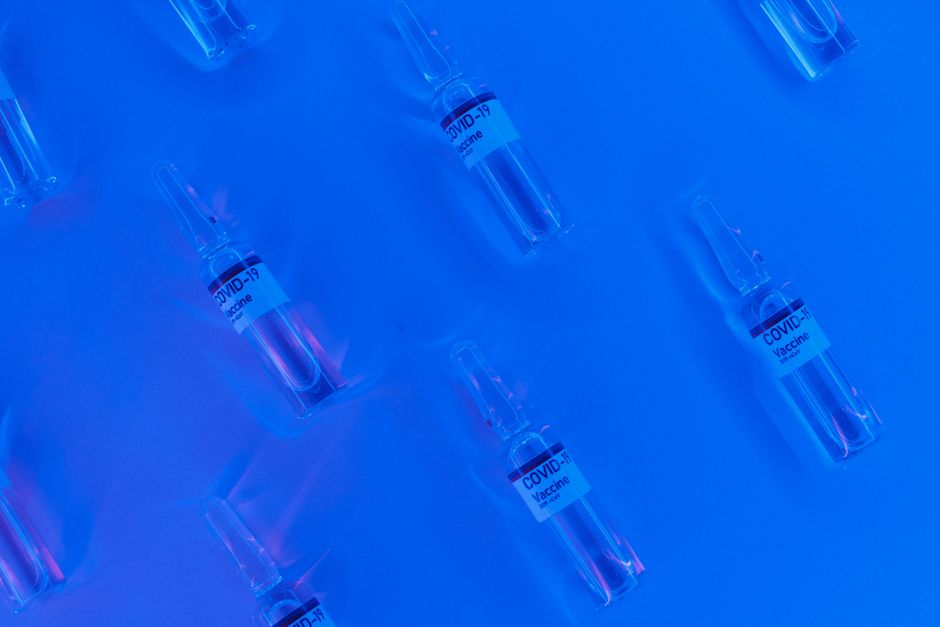
The Sputnik V vaccine from Russia is highly effective. Real-world data shows it prevents around 91% of symptomatic COVID-19 cases. That number comes from a peer-reviewed study published in The Lancet. It is a serious vaccine with a solid track record, though it has faced more political controversy than scientific doubt.
This article lays out the key facts. You will learn how the vaccine works, how it compares to others, and what the evidence actually shows. No hype. Just what the research says as of 2026.
How Does Sputnik V Work?
Sputnik V uses a viral vector. This is a common technology. The vaccine uses two different adenoviruses — human adenovirus type 26 (Ad26) for the first dose and type 5 (Ad5) for the second dose. Both are common cold viruses that have been modified so they cannot replicate or cause illness.
The two-dose approach is a key design choice. Using two different vectors reduces the chance that your immune system will neutralize the first vector before the second dose has a chance to work. This is a clever solution that other vaccines, like the Johnson & Johnson single-shot, do not use.
Once injected, the adenovirus delivers the genetic code for the spike protein of the SARS-CoV-2 virus. Your cells then produce that protein, and your immune system learns to recognize it. If you later encounter the real virus, your body is ready to fight it off.
How Effective Is The Russian Sputnik V Vaccine in Clinical Trials?
The primary evidence comes from a large Phase 3 trial published in The Lancet in February 2021. That trial enrolled nearly 20,000 participants in Russia. The results showed a 91.6% efficacy against symptomatic COVID-19. That number is real and was verified by independent reviewers.
Efficacy against severe disease was even higher. The trial reported 100% efficacy against moderate to severe cases. No vaccinated participants in the trial developed severe COVID-19. That is an unusually strong result.
Some critics have raised questions about the trial data. The sample size was smaller than some Western vaccine trials. And the trial was conducted before the Delta and Omicron variants emerged. Still, the 91.6% figure is the best estimate we have from controlled conditions.
How Does Sputnik V Perform in the Real World?
Real-world data from Russia and other countries tells a slightly different story. A large study from Argentina, published in 2022, found that Sputnik V reduced infections by about 85% in the general population. Hospitalizations dropped by around 88% in that same study.
Data from Russia itself has been harder to verify. The Russian government has not released comprehensive surveillance data. Independent researchers have tried to fill the gap, but the picture is less clear than for vaccines used in the United States or Europe.
Performance against variants has been a concern. Like all vaccines, Sputnik V shows lower effectiveness against Omicron and its subvariants. A 2022 study from the Gamaleya Institute, which developed the vaccine, reported that neutralizing antibody levels dropped against Omicron. Booster doses help restore protection.





What Are the Side Effects of Sputnik V?
Side effects are similar to other viral vector vaccines. The most common are injection site pain, fatigue, headache, and muscle aches. These are usually mild and last one to two days.
Serious side effects are rare. The most notable concern is a very rare blood clotting condition called thrombosis with thrombocytopenia syndrome (TTS). This is the same condition linked to the Johnson & Johnson and AstraZeneca vaccines. The rate appears to be roughly 1 in 100,000 doses or lower, based on reports from Argentina and other countries.
Other serious events like anaphylaxis are possible but extremely rare. The overall safety profile is good. More than 200 million doses have been administered globally as of early 2026, and no unexpected safety signals have emerged.
How Does Sputnik V Compare to Other COVID-19 Vaccines?
Comparing vaccines directly is tricky because trials were run at different times and in different populations. Still, some comparisons are useful.
| Vaccine | Type | Efficacy Against Symptomatic Disease (original trials) | Real-World Effectiveness Against Hospitalization |
|---|---|---|---|
| Sputnik V | Viral vector (Ad26 + Ad5) | 91.6% | ~88% (Argentina data) |
| Pfizer-BioNTech | mRNA | 95% | ~90% (US data) |
| Moderna | mRNA | 94% | ~95% (US data) |
| Johnson & Johnson | Viral vector (Ad26) | 66% (single dose) | ~85% (US data) |
| AstraZeneca | Viral vector (ChAdOx1) | 76% | ~80% (UK data) |
On paper, Sputnik V looks comparable to the mRNA vaccines. In practice, it is harder to say because the data is less complete. The vaccine has not been authorized by the World Health Organization for emergency use as of 2026, which limits its availability in many countries.
A key advantage of Sputnik V is its storage requirements. It can be stored at standard freezer temperatures (-18°C), unlike mRNA vaccines that require ultra-cold storage. This makes it easier to distribute in areas without advanced cold chain infrastructure.
Common Misconceptions About Sputnik V
One common claim is that Sputnik V is unsafe because it uses adenovirus vectors. This is not supported by evidence. Adenovirus vectors have been used in vaccines for decades, including in Ebola vaccines. The safety record is well established.
Another misconception is that the vaccine is ineffective because it was developed quickly. The speed was due to massive funding and prior research on similar coronaviruses, not cutting corners. The technology was already in development for other viral diseases.
Some people believe Sputnik V does not work against new variants. This is partially true — effectiveness drops against Omicron — but the same is true for every other vaccine. No vaccine provides 100% protection forever. Booster doses help restore protection, and Sputnik V has been updated for newer variants in Russia.
There is also a persistent myth that the vaccine contains live SARS-CoV-2 virus. It does not. The adenovirus vector is harmless and cannot cause COVID-19.
What to Avoid When Evaluating Sputnik V
Avoid relying on news headlines from either side. Some Western media have downplayed the vaccine’s effectiveness due to political tensions with Russia. Some Russian sources have exaggerated its performance. The real data sits somewhere in the middle.
Do not compare Sputnik V’s trial results directly to mRNA vaccine results without accounting for timing. The Sputnik V trial ran in late 2020 when the original strain was dominant. mRNA vaccine trials also ran in 2020 but in different countries with different infection rates. These factors matter.
Avoid assuming that lack of WHO approval means the vaccine is unsafe. WHO approval is a political and regulatory process, not purely a scientific one. The vaccine has been approved by more than 70 countries, including Argentina, India, and the United Arab Emirates. The main barrier to WHO approval has been data transparency issues at the manufacturing level, not safety concerns.
Finally, do not confuse Sputnik V with other Russian vaccines. There is also Sputnik Light (a single-dose version) and Sputnik M (for adolescents). Each has different characteristics. This article covers the original two-dose Sputnik V.
Frequently Asked Questions
Is Sputnik V approved by the WHO?
No, as of 2026 the WHO has not granted emergency use listing for Sputnik V. The main issues involve data transparency and manufacturing quality inspections.
Can Sputnik V cause blood clots?
Yes, but very rarely. A condition called thrombosis with thrombocytopenia syndrome has been reported in about 1 in 100,000 doses. This is similar to the risk seen with Johnson & Johnson and AstraZeneca vaccines.
Does Sputnik V work against Omicron?
Effectiveness is lower against Omicron compared to the original strain. A booster dose significantly restores protection against severe disease.
How long does Sputnik V protection last?
Protection against infection declines after about six months. Protection against severe disease and hospitalization lasts at least six to eight months based on available data.
