

You can’t actually shrink a pore. Pores are fixed openings in your skin, and their size is largely determined by genetics. What you can do is make them look smaller by keeping them clear of oil and debris, protecting the collagen that keeps skin firm, and avoiding habits that stretch or irritate them. The nose is where this shows up most because it has more sebaceous glands per square inch than almost anywhere else on your face.
What Are Nose Pores and Why Are They So Visible There?
A pore is the opening of a hair follicle and its attached sebaceous gland. Every pore on your body has this structure, but the ones on your nose are different in one important way: the sebaceous glands there are larger and more numerous.
Sebaceous glands produce sebum, the oily substance that lubricates and protects your skin. When glands are larger, the pore opening tends to be larger too. This is normal anatomy, not a defect.
The nose also sits at the center of your face. It catches light directly, which makes texture more visible. And because the nose produces more oil than the cheeks or forehead in many people, that oil can mix with dead skin cells and oxidize, turning dark. What many people call “blackheads” on the nose are often sebaceous filaments — normal structures that look dark because of oxidized oil and light reflection, not because they are filled with dirt.
This distinction matters. Sebaceous filaments are not a skin problem. They are a normal feature of oily skin. Treating them like blackheads leads to aggressive squeezing and stripping, which can make the area look worse.
Can You Actually Shrink Pores Permanently?
No. Pore size is determined by genetics, skin type, and age. You cannot permanently shrink a pore any more than you can change your height.
What you can change is how large they appear. A pore looks bigger when it is stretched by oil, blocked by dead skin cells, or surrounded by skin that has lost firmness. Address those three factors and pores look smaller — sometimes considerably.
Pore size does tend to increase with age. Collagen and elastin, the proteins that give skin its structure and bounce, decline over time. When the skin around a pore loses support, the pore opening can look wider. Sun exposure accelerates this collagen breakdown. This is one of the reasons daily sun protection matters for pore appearance, not just for skin cancer prevention.
Some people also have naturally larger pores due to genetics. If your parents have visible pores, you likely will too. That is not a failure of your skincare routine.
What Actually Helps Minimize the Look of Pores on Your Nose?
Several approaches have reasonable evidence behind them. Others are marketing. Here is what the research and clinical experience support.
Keep Pores Clear
The single most effective thing you can do is prevent oil and dead skin cells from accumulating inside the pore. When a pore is clear, it looks smaller because there is nothing stretching it open.
- Salicylic acid is a beta-hydroxy acid that is oil-soluble. It can penetrate into the pore and help break down the mixture of oil and dead skin cells inside. Over-the-counter concentrations are typically 0.5% to 2%. It is one of the better-supported ingredients for this purpose.
- Retinoids (tretinoin, adapalene, retinol) increase cell turnover and help keep pores from becoming blocked. Prescription tretinoin has the most evidence. Adapalene 0.1% is available over the counter in the US. Retinol is weaker and less studied but widely used.
- Niacinamide may help regulate sebum production. Some studies suggest it can reduce oiliness, though results vary and the effect on pore appearance specifically is modest.
Cleansing twice daily with a gentle, non-stripping cleanser helps. Harsh scrubs and repeated washing do not clear pores better — they irritate the skin and can trigger more oil production.
Support Collagen
Because pore size increases as collagen declines, anything that protects collagen helps over time. Daily broad-spectrum sunscreen is the most important step here. UV exposure is the primary driver of collagen breakdown in skin.
Prescription retinoids also stimulate collagen production over time. This is a slow process — months, not weeks. Some evidence suggests that consistent retinoid use can improve skin texture and firmness, which indirectly affects how pores look.
What About Pore Strips and Extractions?
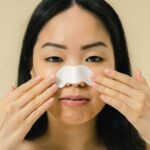
Pore strips remove the top layer of sebaceous filaments. They can make the nose look clearer for a day or two. They do not shrink pores or prevent refilling. Overuse can irritate the skin. They are not harmful in moderation, but they are a temporary cosmetic fix, not a treatment.
Professional extractions can clear blocked pores, but the effect is also temporary. If oil production remains high, pores refill.




What Makes Pores Look Worse?
Several common habits backfire. Knowing them can save you time and irritation.
- Squeezing or picking. This can stretch the pore, cause inflammation, and lead to scarring. Scarring makes texture worse, not better.
- Over-cleansing or using harsh scrubs. Stripping oil triggers a rebound in sebum production. It also damages the skin barrier, which can cause redness and irritation that makes pores more noticeable.
- Skipping sunscreen. UV exposure breaks down collagen. Over years, this makes pores look larger.
- Heavy, occlusive makeup. Thick foundations and powders can settle into pores and make them look more prominent. They can also contribute to blockage if not removed properly.
- Smoking. Smoking reduces blood flow to the skin and accelerates collagen breakdown. It is associated with worse skin texture and earlier aging.
One non-obvious point: pores do not open and close like windows. Steam and hot water do not “open” them, and cold water does not “close” them. The pore is a fixed opening. Heat can soften the sebum inside and make extraction easier, but it does not change the pore’s size.
Do Home Remedies and Natural Treatments Work?
Some natural ingredients have mild evidence. Most do not.
Green tea extract has some anti-inflammatory and antioxidant properties. Small studies suggest it may reduce sebum production when applied topically, but the evidence is not strong enough to call it a reliable pore treatment.
Clay masks can absorb surface oil temporarily. They make pores look smaller for a few hours. They do not change pore structure.
Lemon juice, baking soda, and apple cider vinegar are common DIY suggestions. None have evidence for pore minimization, and all can irritate or damage the skin barrier. Lemon juice is phototoxic — it makes skin more sensitive to sun damage.
Ice rolling or cold compresses can temporarily reduce puffiness and make pores look slightly smaller by constricting blood vessels. The effect lasts minutes, not days.
There is no strong evidence that any home remedy permanently reduces pore size. If a product claims to “shrink pores permanently,” that claim is not supported by clinical research.
When Should You See a Dermatologist?
If your main concern is visible pores and you have not found improvement with consistent use of salicylic acid or a retinoid, a dermatologist can offer additional options.
Prescription-strength tretinoin is more effective than over-the-counter retinol for texture and pore appearance. Oral medications like isotretinoin dramatically reduce oil production and can make pores look smaller, but they carry significant risks and are typically reserved for severe acne.
In-office procedures such as laser resurfacing, microneedling, and chemical peels can improve skin texture and firmness. Some evidence suggests these can make pores look smaller by stimulating collagen. Results vary, and multiple sessions are often needed. These are cosmetic procedures, not medical necessities, and they carry risks including scarring, infection, and pigment changes.
If you have acne, rosacea, or another skin condition contributing to pore appearance, treating that condition is the priority. A dermatologist can help distinguish between normal sebaceous filaments and actual blackheads or other lesions that need treatment.
What Realistic Results Can You Expect?
With consistent use of salicylic acid or a retinoid, plus daily sunscreen, many people notice a modest improvement in pore appearance over two to three months. The pores do not disappear. They look less prominent because they are clear and the surrounding skin is healthier.
If you have naturally large pores due to genetics, improvement will be limited. That is not a reason to give up on a good routine, but it is a reason to have realistic expectations.
The goal is not poreless skin. That does not exist. The goal is skin that looks clean, even, and healthy — which is achievable for most people with a simple, consistent routine.
Frequently Asked Questions
Can pores on the nose shrink permanently?
No. Pore size is determined by genetics and skin structure, and pores do not shrink permanently. You can make them look smaller by keeping them clear and protecting collagen, but the pore itself remains the same size.
What is the fastest way to make nose pores look smaller?
There is no instant fix. A clay mask or pore strip can reduce the appearance temporarily for a few hours. Consistent use of salicylic acid or a retinoid over several weeks to months gives more lasting improvement.
Are blackheads on the nose actually blackheads?
Often they are not. Many dark spots on the nose are sebaceous filaments, which are normal structures that look dark due to oxidized oil. True blackheads are open comedones filled with keratin and oil. A dermatologist can tell the difference.
Does drinking water or changing diet reduce pore size?
No clinical evidence shows that water intake or diet changes pore size. Staying hydrated is good for overall health, but it will not shrink pores. Sun protection and topical treatments have more direct evidence for improving pore appearance.
