
Dermal fillers are temporary, and that is by design. The body eventually breaks them down and clears them, but there is no switch you can flip to speed that process up on command. The honest answer is that most methods marketed as “filler detox” do not have clinical evidence behind them, and the only reliable way to remove filler faster is to have it dissolved by a qualified clinician using hyaluronidase.
That matters because a large share of fillers in the US are made of hyaluronic acid, a sugar molecule the body already produces and already knows how to break down. The rest, including many collagen-stimulating fillers, are not dissolvable and simply have to run their course. Knowing which type you have is the first step in understanding your real options.
How To Metabolize Filler Faster What Actually Works?
For hyaluronic acid fillers, the only method with solid clinical evidence is injection of hyaluronidase, an enzyme that breaks the HA molecule apart. A clinician injects it into or around the treated area, and the filler typically softens or dissolves over hours to days.
Everything else — saunas, exercise, massage, drinking more water, lymphatic drainage, certain supplements — either has no supporting clinical evidence or rests on biological reasoning that has not been tested in human trials for this purpose. That does not mean those things are harmful. It means nobody has shown they meaningfully speed filler breakdown.
There is one nuance worth knowing. Hyaluronic acid fillers are not all identical. Some are formulated to last longer than others, and the degree of cross-linking — the chemical bonds that hold the gel together — affects how long the product stays in place. More cross-linked fillers resist breakdown longer. This is a product characteristic, not something you can influence from the outside.
How Long Does Filler Actually Last?
Duration depends on the product, the treatment area, and the individual. Lip fillers commonly last somewhere in the range of six to twelve months. Cheek and midface fillers often last longer, sometimes a year or more. These are general ranges, not guarantees, and individual results vary widely.
Several factors genuinely influence how long filler lasts, and some of them are outside your control:
- Product type — thicker, more cross-linked gels generally last longer than thinner ones.
- Treatment area — areas with more movement, like the lips, tend to break filler down faster.
- Injection technique and volume — how and where the product is placed affects longevity.
- Individual metabolism — people vary in how quickly they clear hyaluronic acid.
What is not well established is whether any lifestyle habit reliably changes that timeline. Some clinicians suggest that higher physical activity or sauna use might speed breakdown, but this is based on the general principle that heat and increased blood flow can affect tissue, not on studies showing it actually shortens filler duration.
What Is Hyaluronidase And How Does It Work?
Hyaluronidase is an enzyme that cleaves hyaluronic acid. The body produces its own version, and a pharmaceutical form is used clinically to dissolve HA fillers. It works by breaking the long HA chains into smaller fragments that the body can clear more easily.
This is a real medical procedure, not a spa treatment. It carries its own risks. Hyaluronidase can dissolve your natural hyaluronic acid along with the filler, and in rare cases it can trigger an allergic reaction. Because it is a protein, some people develop sensitivity to it. Clinicians typically perform a small test dose first.
There is another important limitation. Hyaluronidase only works on hyaluronic acid fillers. It does nothing for fillers made of calcium hydroxylapatite, poly-L-lactic acid, or polymethylmethacrylate. If you do not know what was injected, you need to find out before assuming you have a dissolving option.





Can You Speed Up Filler Breakdown At Home?
No home method has been shown in clinical studies to meaningfully accelerate filler metabolism. That is the plain answer. The internet is full of routines claiming otherwise, and it is worth being direct about what the evidence does and does not show.
Here is how the common claims stack up:
- Exercise and sweating — no controlled studies show this shortens filler duration. Increased circulation is a reasonable theory, but a theory is not evidence.
- Saunas and heat — same situation. Heat affects tissue, but no trials confirm it dissolves filler faster.
- Massage or facial manipulation — may shift freshly injected product or cause unevenness. Not a proven removal method, and potentially counterproductive.
- Drinking more water — hydration is good for you, but there is no evidence it accelerates filler clearance.
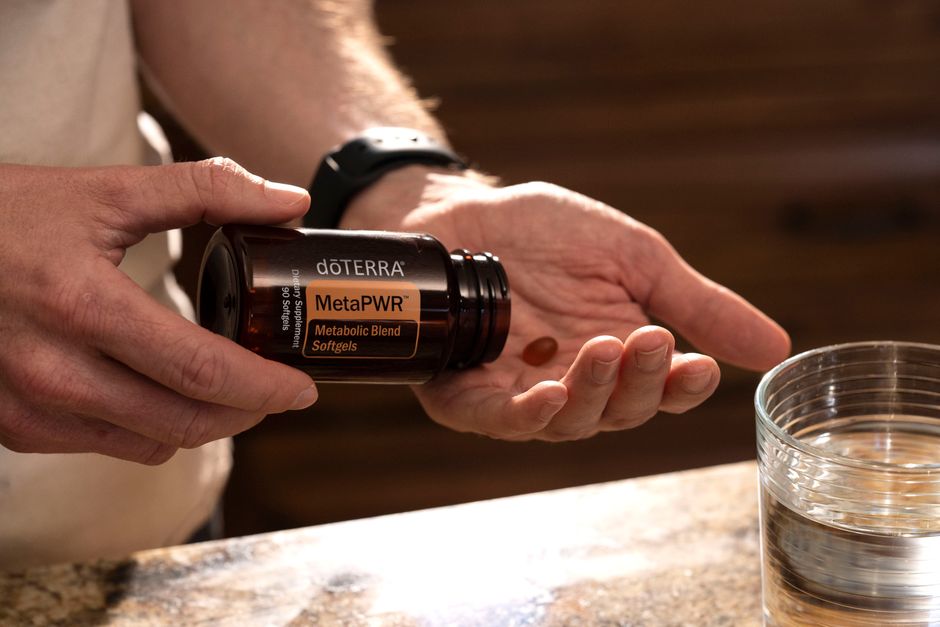
- Supplements marketed for “filler detox” — no clinical evidence supports these products. They are marketing, not medicine.
One clarification worth making: hyaluronic acid is not a foreign toxin your body needs to “flush.” It is a molecule your body makes and recycles continuously. The idea that you can detox it away misunderstands the biology. Your body is already doing the work at its own pace.
When Should You See A Clinician About Filler?
See a qualified clinician if you are unhappy with your filler, if you suspect a complication, or if you want it dissolved. Do not try to manage this yourself. Filler complications — lumps, migration, vascular occlusion — require medical assessment.
Vascular occlusion is the one situation where speed genuinely matters. If filler blocks a blood vessel, tissue can be damaged, and this is a medical emergency. Signs can include severe pain, blanching of the skin, or discoloration in the treated area. If this happens, seek urgent care immediately.
For non-urgent concerns, a clinician who understands filler anatomy can assess what you have, how much is there, and whether dissolving is appropriate. Some practitioners recommend waiting before dissolving if the filler was recently placed, since swelling can mimic too much product. Others may dissolve in stages to avoid removing too much at once.
What About Non-Hyaluronic Acid Fillers?
If your filler is not hyaluronic acid, you cannot dissolve it. This is a hard limit, and it is important to understand before you get filler in the first place.
Fillers made of calcium hydroxylapatite, poly-L-lactic acid, and polymethylmethacrylate are designed to stimulate collagen or provide structural support. They break down on their own timeline, or in the case of permanent fillers, may not break down at all. There is no enzyme that reverses them. Surgical removal is sometimes possible but is not simple and is not always complete.
This is why knowing what you were injected with matters. If you are unsure, ask the clinic that treated you for the product name and manufacturer. A reputable provider keeps records and will tell you.
The Bottom Line On Filler Metabolism
Your body clears hyaluronic acid fillers on its own schedule, and that schedule is mostly determined by the product and your individual biology, not your habits. Hyaluronidase is the one proven way to speed removal, and it is a medical procedure with real considerations.
If you want filler gone faster, the practical path is a consultation with a qualified clinician, not a home remedy. Be skeptical of anyone selling a detox, a device, or a supplement that claims to dissolve filler. If a method worked reliably, it would be standard clinical practice — and the only thing that currently fits that description is hyaluronidase.
Frequently Asked Questions
Can exercise make filler dissolve faster?
No clinical studies show that exercise speeds up filler breakdown. Increased circulation is a plausible theory, but it has not been confirmed in human trials.
How long does it take for hyaluronidase to dissolve filler?
Many people see softening within hours to a few days after injection. The exact timeline varies with the amount of filler, the product used, and the individual.
Is there a pill or supplement that dissolves filler?
No. There is no clinical evidence that any oral supplement, pill, or detox product dissolves or speeds the breakdown of dermal filler.
Can all fillers be dissolved?
No. Only hyaluronic acid fillers can be dissolved with hyaluronidase. Fillers made of calcium hydroxylapatite, poly-L-lactic acid, or permanent materials cannot be dissolved and must break down on their own or be removed surgically.
