
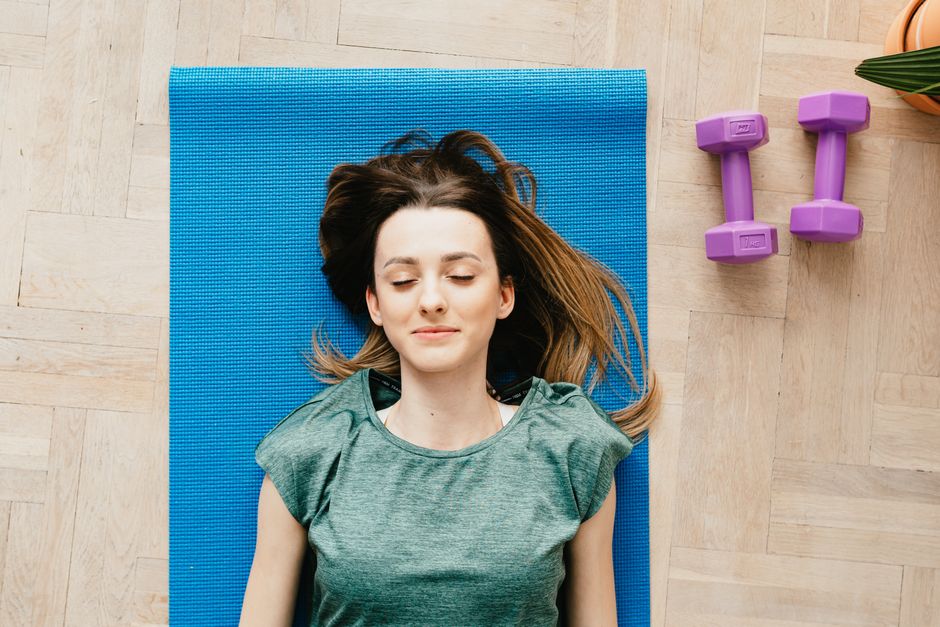
Falling asleep during meditation is one of the most common reasons people give up the practice. It happens because meditation lowers your heart rate and breathing, which naturally signals your body that it is time to rest. To meditate without falling asleep, you need to change your posture, your environment, or the time of day you practice. The six most effective tips are meditating with your eyes open, sitting upright rather than lying down, practicing in the morning, keeping your back unsupported, using a gentle focus point, and getting enough sleep at night.
Why Do I Fall Asleep When I Meditate?
Meditation and sleep share similar brain wave patterns. When you close your eyes and sit still, your brain begins producing alpha waves, which are also present in the early stages of falling asleep. If you are already tired, your brain can easily slip from alpha waves into theta waves, which mark the transition into sleep.
Your body also relaxes during meditation. Muscle tension drops, breathing slows, and your heart rate decreases. These are the exact same physical changes that happen when you lie down to sleep at night. If your body associates stillness with bedtime, it will respond accordingly.
Another factor is simple sleep debt. Most adults need between seven and nine hours of sleep per night. If you are getting less than that, your body will try to catch up during any quiet moment, including meditation. No meditation technique can override a genuine sleep deficit.
How To Meditate Without Falling Asleep 6 Tips
These six strategies address the most common reasons people drift off during practice. You do not need to use all of them. Pick the ones that fit your situation and test them for a week.
- Meditate with your eyes open. Closing your eyes removes visual input and mimics sleep onset. Keep your eyes slightly open with a soft gaze directed at the floor about three feet in front of you. This keeps your brain in a more alert state while still allowing inward focus.
- Sit upright without back support. Lying down is the fastest route to sleep. Sit on a cushion or chair with your spine tall and your back away from the chair’s backrest. The slight muscular effort required to stay upright keeps your nervous system engaged.
- Practice in the morning. Your alertness is naturally higher after sleep and before the day’s fatigue accumulates. Even ten minutes of morning practice is more effective than a thirty-minute session at night when your sleep drive is strong.
- Use a gentle focus point. Counting breaths or silently repeating a word gives your mind a task. A wandering mind that drifts into drowsy thoughts is more likely to fall asleep. Counting each exhale from one to ten, then restarting, is a simple and effective anchor.
- Cool the room down. A warm room promotes drowsiness. Cooler temperatures between 60 and 67 degrees Fahrenheit keep your body more alert. If you cannot control the thermostat, place an ice pack or cold cloth on the back of your neck before you begin.
- Address your sleep debt. If you are chronically sleep-deprived, no technique will keep you awake. Meditation is not a substitute for sleep. Prioritize getting seven to nine hours of quality sleep most nights, and your meditation sessions will naturally become more alert.
What Meditation Posture Keeps You Most Alert?
The seated posture is the gold standard for alert meditation. Sit on the front edge of a chair with your feet flat on the floor, or sit cross-legged on a cushion that elevates your hips above your knees. Your spine should be straight but not rigid, with your chin slightly tucked and your shoulders relaxed.
The key is that your back is not leaning against anything. When your back is supported, your core muscles relax completely, and your body interprets that as permission to rest. When your back is unsupported, your postural muscles maintain a low level of activity that keeps your brain slightly more vigilant.
Your hands can rest on your knees or in your lap. The position matters less than keeping your head upright. A dropped head is the strongest signal that you are falling asleep. If you notice your head nodding forward, gently lift it and refocus on your breath.





Should You Meditate With Eyes Open or Closed?
Most beginners close their eyes because it feels more natural and helps block out distractions. But closed eyes are also the strongest trigger for sleep. Studies on meditation have shown that keeping the eyes partially open reduces the likelihood of drowsiness during practice.
If you choose open-eye meditation, do not stare at anything specific. Let your gaze rest softly on a point on the floor or a blank wall. Blink normally. The goal is not to see clearly but to keep visual input flowing so your brain stays in a waking state.
Some traditions teach a specific technique called a half-lidded gaze, where the eyes are about halfway open. This takes practice. If it feels awkward at first, start with your eyes fully open and gradually lower your lids as you become more comfortable.
Is It Better To Meditate In the Morning or Evening?
Morning is generally better for staying awake. Your sleep drive is lowest after a full night of rest, and cortisol levels are naturally higher in the early hours, which promotes alertness. Many people also find that morning meditation sets a calmer tone for the day.
Evening meditation is not impossible, but it requires more effort. Your sleep drive builds throughout the day, peaking at night. If you meditate after dinner, you are fighting your body’s natural rhythm. If evening is your only option, use the other tips more aggressively: keep your eyes open, sit on the floor, and keep the room cool.
There is a separate question about whether evening meditation helps sleep. Some research suggests that meditation can improve sleep quality, but if you are falling asleep during the practice itself, you are not meditating. You are napping. That may be fine for rest, but it is not the same as a meditation session.
What If I Still Fall Asleep During Meditation?
First, do not treat it as a failure. Falling asleep during meditation is so common that some traditions have specific names for it. It often means you are more sleep-deprived than you realize.
Try shortening your sessions. If you fall asleep after ten minutes, set a timer for five minutes. Gradually increase the duration as your alertness improves. A short meditation you stay awake for is more valuable than a long one you sleep through.
Moving meditation is another option. Walking meditation, yoga, or tai chi keep your body active while training attention. These practices produce many of the same benefits as seated meditation without the same risk of drowsiness. You can also stand while meditating, which requires even more muscular engagement than sitting.
If you consistently fall asleep every time you meditate despite trying these strategies, consider whether you have an underlying sleep condition. Chronic fatigue that does not improve with more sleep warrants a conversation with a healthcare provider.
Does Meditation Count As Rest?
Meditation is restful, but it is not sleep. Brain wave studies show that experienced meditators maintain awareness during practice, which distinguishes meditation from sleep. However, a beginner who falls asleep is not getting the same cognitive benefits as someone who stays awake and alert.
There is some evidence that meditation can reduce the need for sleep slightly, but this is not well established. Do not use meditation as a replacement for sleep. The body performs essential functions during deep sleep that meditation cannot replicate, including memory consolidation and hormone regulation.
Think of meditation as a focused rest state. It gives your mind a break from constant thinking and lowers stress hormones, but it does not provide the physical restoration that sleep does. Treat them as complementary practices, not substitutes.
Frequently Asked Questions
What is the best position to meditate without sleeping?
Sit upright with your back unsupported, either on the front edge of a chair or on a cushion. This keeps your postural muscles active and your brain more alert than lying down.
How long should a beginner meditate to avoid drowsiness?
Start with five to ten minutes per session and gradually increase as your alertness improves. Shorter sessions you stay awake for are more effective than longer ones you sleep through.
Can meditation replace sleep?
No. Meditation is restful but does not provide the physical restoration of sleep, including memory consolidation and hormone regulation. Adults still need seven to nine hours of sleep per night.
Is it better to meditate in the morning or at night?
Morning is better for staying awake because your sleep drive is lowest after a full night of rest. Evening meditation is possible but requires more effort to remain alert.
