
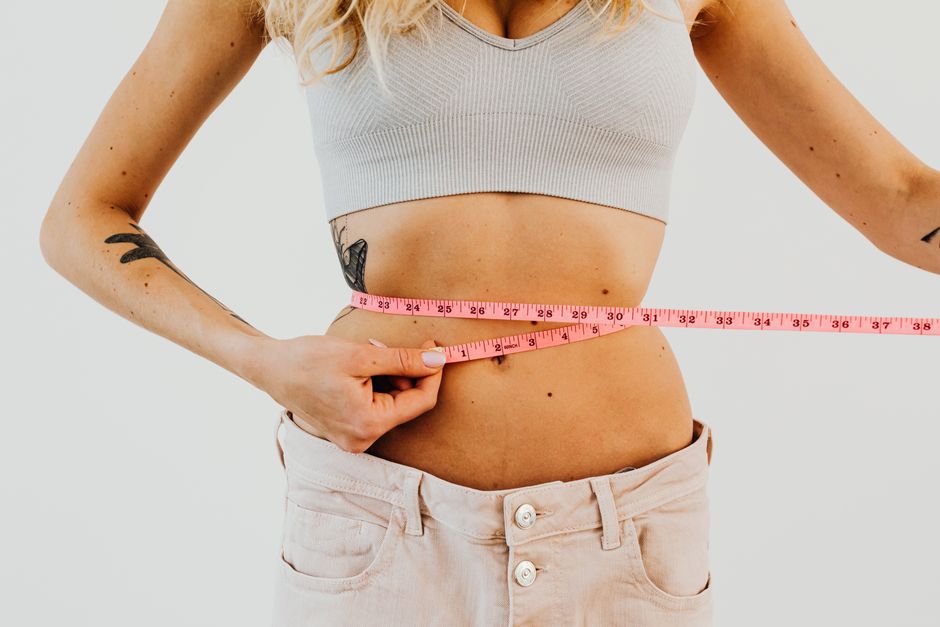
Getting the right size when shopping for women’s clothing often comes down to one simple skill: knowing how to measure your body accurately. Most size charts are based on four key measurements: bust, waist, hips, and inseam. Take these correctly, and you can order from almost any brand with confidence. The process takes about five minutes, a soft tape measure, and a well-fitting bra. No special tools or expertise are needed.
What Tools Do You Need To Measure Yourself?
You need very little to get accurate measurements. A soft, flexible tape measure is the most important tool. These are the cloth or plastic ones used for sewing. A metal tape measure from a toolbox will not work because it does not bend around your body.
Wear lightweight clothing or underwear that does not add bulk. Heavy sweaters or jeans with thick seams will add inches and throw off your numbers. For the bust measurement, wear a non-padded bra or no bra at all. This gives you the truest reading of your natural shape.
Stand in front of a full-length mirror. The mirror helps you see that the tape is level all the way around your body. A crooked tape is the most common reason for wrong measurements.
How To Measure Your Bust Correctly
The bust measurement is taken at the fullest part of your chest. Wrap the tape around your back and bring it across the nipple line. Keep the tape snug but not tight. It should touch your skin without digging in or compressing the tissue.
Make sure the tape stays level across your back. Many people let the tape dip down in the back without realizing it. Check the mirror from the side to confirm the tape runs parallel to the floor. Breathe normally and relax your arms at your sides. Do not puff out your chest or hold your breath.
This measurement is different from your bra band size. The bust measurement is used for dresses, tops, and jackets. Bra sizing uses a separate set of numbers based on the ribcage and the difference between ribcage and bust.
How To Measure Your Natural Waist
Your natural waist is the narrowest part of your torso. It is usually about an inch above your belly button. To find it, bend sideways. The crease that forms where your body folds is your natural waistline.
Stand straight and wrap the tape around this point. Keep the tape level and snug. Do not suck in your stomach. This is the most common mistake people make. Sucking in gives you a smaller number that will not match how your body actually fits in clothing.
The waist measurement on a size chart refers to the body, not the garment. A pair of pants with a 30-inch waist label will measure more than 30 inches across the waistband. This is called ease, and it is built into the garment so you can move and sit comfortably.



How To Measure Your Hips Accurately
Hip measurement is taken at the fullest part of your buttocks. This is usually about 7 to 9 inches below your natural waist, but the exact distance varies from person to person. Do not assume the widest point is at your hip bones. For many people, it is lower.
Stand with your feet together. Wrap the tape around the fullest part of your hips and buttocks. Keep the tape parallel to the floor. Check the mirror to make sure it is not angled up or down in the back.
This measurement matters most for skirts, pants, and fitted dresses. If your hips are larger than the size chart for your waist, buy for the hips and have the waist taken in by a tailor. It is easier to take a garment in at the waist than to let it out at the hips.
How To Measure Inseam For Pants
The inseam is the distance from the top of your inner thigh to the bottom of your ankle. This measurement determines pant length. It is best measured with help from another person, but you can do it alone with practice.
Stand with your feet shoulder-width apart. Hold the end of the tape at the highest point of your inner thigh where your leg meets your torso. Run the tape straight down the inside of your leg to the floor. This gives you the length for full-length pants.
For a more accurate number, measure a pair of pants that already fits you well. Lay them flat on the floor. Measure from the crotch seam to the hem along the inside leg seam. This gives you the exact inseam of that garment, which you can compare to size charts.
How To Measure Arm Length And Shoulders
Shoulder width matters for jackets, blazers, and fitted tops. Measure across your back from the outer edge of one shoulder bone to the other. Keep the tape straight across your upper back. Do not measure around the front of your shoulders, as this gives a larger number.
Arm length is measured from the shoulder bone to the wrist. Bend your arm slightly at the elbow. Start the tape at the shoulder bone and run it down the outside of your arm past the elbow to the wrist bone. This measurement matters for long-sleeved shirts and jackets.
These measurements are less commonly listed on size charts than bust, waist, and hips. But they are essential for tailored clothing and outerwear. If a brand does not list these, you can compare your numbers to a similar garment you already own.
How To Use Your Measurements With Size Charts
Every brand uses a different size chart. A size 8 at one store may fit like a size 10 at another. This is called vanity sizing, and it is widespread in the clothing industry. Your measurements are the only reliable way to compare across brands.
Find the size chart on the product page before you order. Match your largest measurement to the chart. If your bust fits a size 6 but your hips fit a size 10, order the size 10. Clothing can be taken in but cannot always be let out. Seams only have so much extra fabric.
Write your measurements down and keep them somewhere handy. Your body changes over time. Weight fluctuations, pregnancy, and muscle gain all change your measurements. Re-measure every few months if you shop frequently.
Common Mistakes That Ruin Measurements
Using a worn-out tape measure is a common problem. Stretchy fabric tape measures lose their accuracy over time. Replace yours if it has stretched or become twisted. A new tape measure costs a few dollars and is worth it.
Measuring over bulky clothing adds inches. A thick sweater can add a full size to your bust and waist measurements. Always measure in lightweight clothing or underwear.
Pulling the tape too tight compresses soft tissue and gives a smaller number than reality. The tape should be snug enough to stay in place but loose enough that you can slide one finger underneath. Consistent tension across all measurements is more important than any single number.
How To Measure Yourself For Womens Clothing When Shopping Online
Online shopping makes accurate measurements more important, not less. You cannot try things on before buying. A size chart is your only guide. Take all your measurements before you start browsing, and keep them written down.
Read the product reviews for fit notes. Other customers often mention whether an item runs small, large, or true to size. This real-world feedback is valuable because size charts do not always match how a garment fits in practice.
Check the fabric content before ordering. Garments with stretch, like those containing spandex or elastane, are more forgiving of measurement differences. Rigid fabrics like denim and structured cotton are not. If you are between sizes in a rigid fabric, size up.
Frequently Asked Questions
What are the most important measurements for women’s clothing?
Bust, waist, and hips are the three essential measurements for most clothing. Inseam matters for pants, and shoulder width matters for jackets and structured tops.
Should I measure over my clothes or without clothes?
Measure over lightweight underwear or form-fitting clothing. Bulky layers like sweaters or thick jeans add inches and produce inaccurate numbers.
What if my measurements fall between two sizes?
Order the larger size and have the garment tailored if needed. It is easier to take clothing in than to let it out.
How often should I re-measure myself?
Re-measure every few months or whenever your weight changes by more than a few pounds. Your body changes over time, and old measurements become unreliable.
