
Measuring change sounds simple, but it is surprisingly easy to get wrong. You step on a scale, you see a number, and you assume that number tells you the whole story. It does not. Science-based measurement relies on tracking the right variables over time, using tools that are actually accurate, and understanding what the numbers can and cannot tell you. The core method is straightforward: define what you are measuring, use a validated tool, take consistent baseline readings, and repeat the measurement under the same conditions. This applies to weight, blood pressure, fitness, mood, or any health metric you care about.
What Is the Most Reliable Way to Measure Change?
The most reliable way is repeated measurement with the same tool under the same conditions. Change is only meaningful when you compare apples to apples. If you weigh yourself on Monday in the morning after using the bathroom, and then weigh yourself on Friday in the evening after a large meal, the difference you see is mostly noise, not real change.
Standardize your conditions. Measure at the same time of day. Use the same device. Wear similar clothing. For blood pressure, sit quietly for five minutes before taking a reading. For body weight, morning measurements before eating are the most consistent. These habits reduce day-to-day variation so the trend line becomes visible.
Another key principle is not overreacting to single readings. One high blood pressure reading does not mean you have hypertension. One low scale number does not mean you lost fat. The trend over multiple readings is what matters. Most health professionals look at patterns over weeks, not single points.
How Do You Measure Body Composition Change Accurately?
Body weight alone cannot tell you if you lost fat or muscle. That is why body composition matters. The gold standard for measuring body composition is dual-energy X-ray absorptiometry, commonly called DEXA. It is accurate and gives detailed breakdowns of fat mass, lean mass, and bone density. The downside is cost and access. Most people cannot get a DEXA scan weekly.
Bioelectrical impedance analysis is what most home scales use. It sends a small electrical current through your body and estimates fat percentage based on how the current travels. These devices are convenient but less accurate. Hydration levels, food intake, and even skin temperature can shift the results by several percentage points. That does not make them useless. It means you should use them to track trends over months, not day-to-day changes.
Skinfold calipers are another option. A trained person measures skinfold thickness at specific body sites and uses a formula to estimate body fat. Accuracy depends heavily on the skill of the person doing the measuring. If the same person measures you each time, the trend is more reliable.
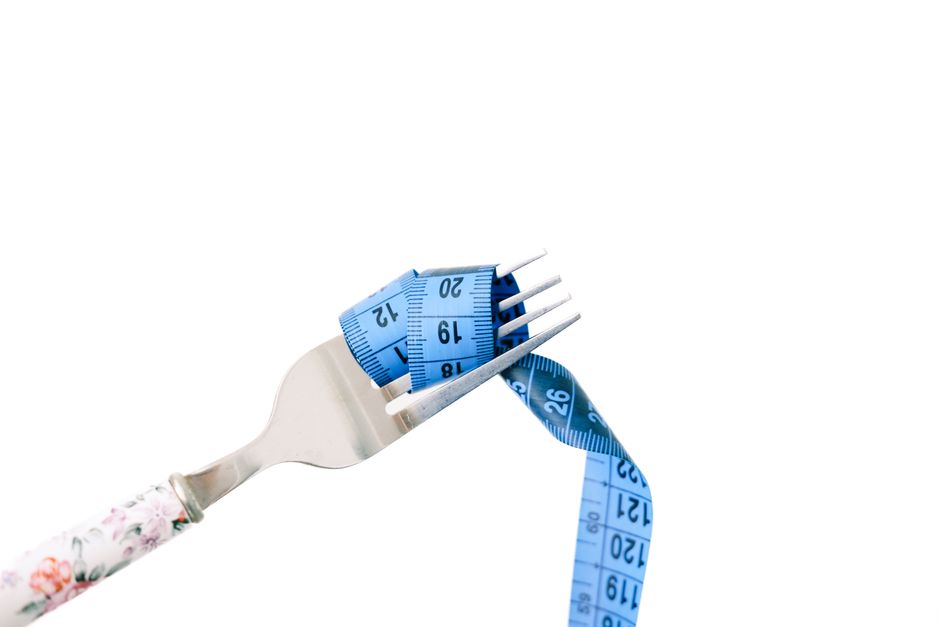
Waist circumference is a simple and surprisingly useful measurement. It tracks abdominal fat, which is the type most strongly linked to metabolic health. A tape measure costs a few dollars and gives you meaningful data. Measure at the level of your belly button, keep the tape snug but not tight, and record the number. Changes in waist circumference over time correlate well with changes in health risk.
What Blood Tests Show Real Change in Health?
Blood tests give you objective numbers that reflect internal changes. The most useful ones for general health include fasting blood glucose, hemoglobin A1c, and a lipid panel. Fasting blood glucose tells you how your body handles sugar at one moment. Hemoglobin A1c reflects your average blood sugar over the past two to three months. This makes A1c a better measure of long-term change.
A lipid panel measures total cholesterol, LDL, HDL, and triglycerides. These numbers shift with diet, exercise, and sometimes medication. The key is testing under similar conditions each time. Fast for the same number of hours before each draw. Avoid alcohol for at least 24 hours before the test. These details matter because they affect the results.
Inflammatory markers like C-reactive protein can also be tracked. High-sensitivity CRP detects low-level inflammation that is linked to cardiovascular risk. It can change with weight loss and dietary changes, but it also spikes with a minor infection or injury. A single elevated reading should not be overinterpreted.
One important note: reference ranges are population averages, not individual targets. Your optimal values may differ from the lab’s normal range. Discuss your numbers with a clinician who knows your history.





How Do You Measure Fitness and Strength Changes?
Fitness changes are measured with performance tests. The simplest is the resting heart rate. A lower resting heart rate over time often indicates improved cardiovascular fitness, though certain medications can affect it. Measure it first thing in the morning before getting out of bed. Track the weekly average rather than single days.
Strength is measured with progressive overload tracking. Pick a specific exercise, use the same form, and record the weight and repetitions. If you could do three sets of ten with 50 pounds last month and now you do three sets of ten with 60 pounds, that is measurable strength gain. The key is consistency in exercise selection and form.
For cardiovascular endurance, a timed test works well. The Cooper test, where you run or walk as far as possible in twelve minutes, is a validated method. Or you can track your pace for a fixed distance. Improvements in time or distance indicate real fitness gains.
Grip strength is a clinically validated measure of overall strength and even predicts mortality risk in older adults. A hand dynamometer is inexpensive and you can track your grip strength monthly. It correlates with total body strength and muscle mass.
How Do You Measure Mental Health Changes Objectively?
Mental health is harder to quantify, but validated questionnaires exist. The Patient Health Questionnaire-9, often called PHQ-9, measures depression severity. The Generalized Anxiety Disorder-7, or GAD-7, measures anxiety symptoms. These are free, widely used in clinical practice, and take a few minutes to complete.
These tools score symptoms on a scale and give you a number. Taking them weekly or monthly gives you a trend line. If the score is dropping, symptoms are improving. If it is rising, you may need more support. They are not diagnostic on their own, but they are useful tracking tools.
Sleep tracking is another objective measure. Wearable devices estimate sleep duration and quality, though they are less accurate than clinical sleep studies. What matters is the trend. If your average sleep duration increases from six to seven hours over several weeks, that is a measurable change worth noting.
How Do You Measure Habit Change and Behavior Change?
Habits are measured by frequency and consistency. If you want to know whether you are exercising more, count the sessions per week. If you want to know whether you are eating better, track servings of vegetables per day. These are simple counts, but they are the most direct measures of behavior change.
Habit trackers work because they create a visible record. A paper calendar with X marks is just as effective as an app. The act of recording reinforces the behavior. The data also shows you patterns. You might notice you always skip exercise on Tuesdays or eat more sugar on weekends. That information helps you adjust.
One caution: self-reported data is unreliable. People overestimate their exercise and underestimate their food intake. If accuracy matters, use passive tracking where possible. Step counters automatically record steps. Food photos document what you actually ate. These methods reduce the bias in self-reporting.
What Are the Biggest Mistakes People Make When Measuring Change?
The biggest mistake is measuring too often. Daily weighing leads to frustration because normal fluid fluctuations can be several pounds. Weekly or biweekly measurements give you a cleaner signal. The exception is blood pressure, where daily measurement is often recommended for people managing hypertension.
The second mistake is changing tools mid-process. If you switch from a home scale to a gym scale, the readings may differ. If you change blood pressure monitors, the cuff size alone can change readings by several points. Stick with one device for the entire tracking period.
The third mistake is ignoring context. A measurement is a snapshot, not the whole picture. If you slept poorly, traveled, or had a stressful week, your numbers will reflect that. Note these factors alongside your measurements. This context helps you interpret the data correctly instead of overreacting to temporary changes.
The fourth mistake is chasing numbers instead of health. Weight can stay the same while waist circumference drops and fitness improves. Blood pressure can normalize while the scale barely moves. The goal is health, not a specific number on one device.
Frequently Asked Questions
How often should I weigh myself to track real change?
Once per week at the same time of day and under the same conditions is sufficient for most people. Daily weighing shows normal fluid fluctuations that do not reflect real fat loss or gain.
What is the most accurate home measure of body fat?
No home device is highly accurate for body fat percentage. Waist circumference is the most reliable simple home measure because it tracks abdominal fat, which is the most relevant to health risk.
How long does it take to see measurable health changes?
Blood pressure and resting heart rate can change within weeks of starting exercise. Hemoglobin A1c takes about three months to reflect changes in average blood sugar. Body composition changes are typically visible in four to eight weeks with consistent effort.
Can wearable fitness trackers accurately measure change?
Wearables are accurate for step counts and heart rate trends but less accurate for calories burned and sleep stages. They are useful for tracking trends over time, not for precise measurements of energy expenditure.
