
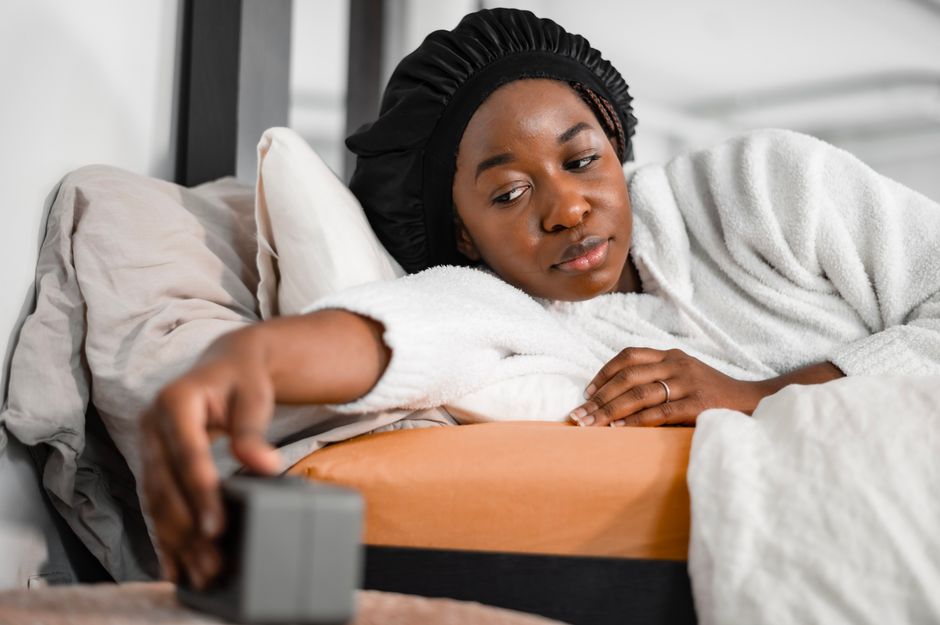
Waking up early usually means feeling terrible. The alarm goes off and your body fights it. You hit snooze three times. Then you drag yourself through the morning feeling foggy and slow. But that cycle is not inevitable. Your body can wake up early and feel alert. The solution is not willpower. It is understanding how your biology works and working with it instead of against it.
To wake up early without feeling tired you need to align your wake time with your sleep cycles. Wake up at the end of a sleep cycle not in the middle of one. Get morning sunlight in your eyes within the first hour. Keep your wake time consistent seven days a week. And stop using an alarm that jolts you from deep sleep. These steps are backed by sleep research. They work because they respect how your brain and body actually function.
Why Do We Feel So Tired When Waking Up Early?
The most common reason is sleep inertia. Sleep inertia is the groggy disoriented feeling after waking. It happens when you wake up during deep sleep or slow wave sleep. Your brain is still in a low activity state. It takes time to become fully alert. For some people this lasts a few minutes. For others it lasts an hour or more.
Another major cause is waking up during the wrong part of your sleep cycle. A full sleep cycle lasts about 90 minutes. You go through light sleep deep sleep and REM sleep in each cycle. If your alarm goes off during deep sleep your body will resist waking. That is why the same eight hours of sleep can leave you feeling great one day and awful the next. It is not about total sleep time alone. It is about timing.
Your body also has a natural clock called the circadian rhythm. This rhythm controls when you feel sleepy and when you feel alert. If you try to wake up at 5 AM but your body thinks it is still night your brain will release melatonin and suppress cortisol. That chemical mismatch creates fatigue. You are fighting your own biology.
What Actually Happens in Your Body When You Wake Up Early?
When you wake up your body goes through a series of changes. Your brain shifts from sleep to wakefulness. Your core body temperature starts to rise. Your adrenal glands release cortisol to help you become alert. Your heart rate and blood pressure increase slightly. This is normal and healthy. Problems arise when these processes are disrupted.
The key hormone involved is cortisol. Cortisol naturally peaks in the morning about 30 to 45 minutes after waking. This is called the cortisol awakening response. It helps you feel awake and focused. If you wake up at a time that does not match your natural rhythm this response can be blunted or delayed. That is why some people feel foggy for hours after waking early.
Melatonin is the other major player. Melatonin makes you sleepy. It should be low in the morning and high at night. But exposure to artificial light at night or darkness in the morning can throw this off. If your body still has high melatonin when you wake up you will feel tired. Morning sunlight signals your brain to stop producing melatonin. That is one of the most effective tools for early waking.
How To Make Yourself Wake Up Early Without Feeling Tired Using Sleep Cycles
The most effective strategy is timing your alarm to the end of a sleep cycle. If you wake up during light sleep you will feel much more refreshed. A sleep cycle lasts about 90 minutes. So if you plan to sleep seven and a half hours that is five cycles. Six hours is four cycles. Nine hours is six cycles. Calculate backwards from your wake time to find the right bedtime.
For example if you want to wake up at 6 AM and sleep seven and a half hours your bedtime should be 10:30 PM. If you want six hours of sleep go to bed at midnight. The exact number of cycles varies slightly by person. But the 90 minute average works for most people. You can also use a sleep calculator app that does the math for you.
There is a second step that matters just as much. Do not use an alarm that wakes you during deep sleep. Smart alarms exist that track your movement and wake you during light sleep within a set window. These are not perfect but they are better than a standard alarm. If you must use a standard alarm set it for the latest possible time you can wake. That reduces the chance of it going off during deep sleep.
The third step is consistency. Your body learns to anticipate wake time. If you wake at the same time every day including weekends your brain will start preparing for wakefulness before the alarm. Cortisol levels begin rising naturally. You will wake up more easily and feel less tired. Irregular sleep schedules confuse your circadian rhythm. That is a major cause of morning fatigue.





What the Research on Early Morning Fatigue Actually Shows
Studies have found that sleep inertia is most severe when waking from deep sleep. Research published in the journal Sleep Medicine Reviews found that sleep inertia can impair cognitive performance for up to four hours in some people. The severity depends on how much deep sleep you were in when woken. Waking from REM sleep causes less inertia than waking from slow wave sleep.
The National Sleep Foundation reports that consistency is one of the strongest predictors of sleep quality. People with irregular bedtimes and wake times report more fatigue and lower alertness. The body does not adjust quickly. Even a difference of one hour on weekends can disrupt your rhythm. This is sometimes called social jet lag.
Light exposure is another well studied factor. Research from the University of Colorado Boulder found that morning sunlight shifts your circadian rhythm earlier. Participants who got morning light fell asleep earlier and woke up more easily. The effect was strongest with natural sunlight rather than artificial light. Even on cloudy days outdoor light is much brighter than indoor lighting.
One non-obvious finding is that temperature matters. Your body temperature drops at night and rises before waking. A warm room can delay this rise and make waking harder. The ideal bedroom temperature for sleep is between 60 and 67 degrees Fahrenheit. Keeping your room cool helps your body complete its natural temperature cycle.
Practical Steps to Wake Up Early Without Feeling Tired
Here is a short list of steps you can take starting tonight. These are based on the evidence above. Try them for at least two weeks before judging the results.
- Calculate your bedtime based on 90 minute sleep cycles. Aim for five or six full cycles.
- Set a consistent wake time every day including weekends. Do not vary by more than 30 minutes.
- Get sunlight within 30 minutes of waking. Go outside or sit by a window. Do not wear sunglasses for the first few minutes.
- Keep your bedroom cool between 60 and 67 degrees.
- Avoid looking at your phone for the first 15 minutes after waking. Blue light is less helpful than sunlight for alertness.
- Drink a glass of water as soon as you wake. Mild dehydration can worsen fatigue.
- Do not hit snooze. Snoozing fragments your sleep and can make you more tired.
These steps address the main causes of morning fatigue. They work with your biology rather than fighting it. The hardest part is the first week. After that your body adjusts and waking up becomes easier.
Comparison of Common Early Wake Up Methods
Not all methods work equally well. Here is a comparison of popular approaches based on what research and user reports suggest.
| Method | How It Works | Evidence Level | Common Problem |
|---|---|---|---|
| Sleep cycle timing | Wake at end of 90 min cycle | Strong | Requires precise bedtime calculation |
| Morning sunlight | Resets circadian rhythm | Strong | Not effective if done through a window or indoors |
| Gradual alarm | Simulates sunrise | Moderate | Some people sleep through it |
| Cold shower | Shocks body into alertness | Weak to moderate | Unpleasant and temporary effect |
| Caffeine | Blocks adenosine receptors | Strong for alertness | Does not fix underlying sleep debt |
| Willpower only | Force yourself up | Weak | Leads to chronic fatigue and burnout |
The table shows that sleep cycle timing and morning sunlight have the strongest evidence. Caffeine is effective but treats the symptom not the cause. Willpower alone rarely works long term. If you are struggling start with the top two methods.
Common Misconceptions About Waking Up Early
One widespread myth is that you need eight hours of sleep no matter what. The truth is that sleep needs vary. Some people function well on seven hours. Others need nine. The key is how you feel during the day not a fixed number. The CDC reports that adults need at least seven hours per night for optimal health. But individual variation exists.
Another myth is that waking up early makes you more productive. This is not guaranteed. If you wake up early but feel exhausted all day your productivity will drop. The goal is quality sleep not early waking for its own sake. Early waking is only beneficial if you are well rested.
Some people believe that you can train yourself to need less sleep. This is not supported by evidence. Chronic sleep restriction leads to cognitive decline mood problems and health risks. The body does not adapt to less sleep. It simply gets worse at noticing how tired it is. You cannot cheat sleep biology.
There is also a myth that napping during the day makes up for poor sleep at night. Naps can help but they do not replace the restorative functions of nighttime sleep. Deep sleep and REM sleep occur in longer cycles at night. Naps are too short for that. Use naps as a supplement not a replacement.
What to Avoid When Trying to Wake Up Early
Avoid using your phone as an alarm if you can. The temptation to check notifications is strong. That light and mental stimulation can keep you awake if you wake during the night. A simple alarm clock is better. Keep your phone out of the bedroom or at least on silent.
Do not eat a large meal within two hours of bedtime. Digestion raises your body temperature and can interfere with sleep. Your body needs to cool down to enter deep sleep. A heavy meal works against that. A light snack is fine if you are hungry.
Avoid alcohol before bed. Alcohol helps you fall asleep but disrupts the second half of the night. It reduces REM sleep and increases nighttime awakenings. Even one drink can affect sleep quality. The morning after you will feel less rested even if you slept the same number of hours.
Do not exercise intensely within an hour of bedtime. Exercise raises heart rate and body temperature. Both of these delay sleep onset. Morning exercise is actually helpful for early waking. It reinforces your circadian rhythm. But late night workouts can backfire.
Avoid bright artificial light in the hour before bed. This includes phone screens tablets and overhead lights. Blue light suppresses melatonin. Use dim warm lighting instead. Some people use blue light blocking glasses but the simplest solution is just reducing screen time before bed.
Frequently Asked Questions
How long does it take to adjust to waking up early?
Most people adjust within one to two weeks if they keep a consistent wake time. The first few days are the hardest because your body is still on its old schedule.
Can I wake up early without an alarm clock?
Yes but only if you have a very consistent sleep schedule. Your body will learn to wake at the same time naturally after a few weeks. This is called waking without alarm.
Is it better to wake up early or get more sleep?
Getting enough sleep is more important than waking up early. If you have to choose between seven hours of sleep starting at midnight or six hours starting at 10 PM choose the longer sleep.
Does waking up early improve mental health?
Some studies suggest that early risers report better mood and lower stress. But the cause may be the morning sunlight and consistent routine rather than the early time itself.
