
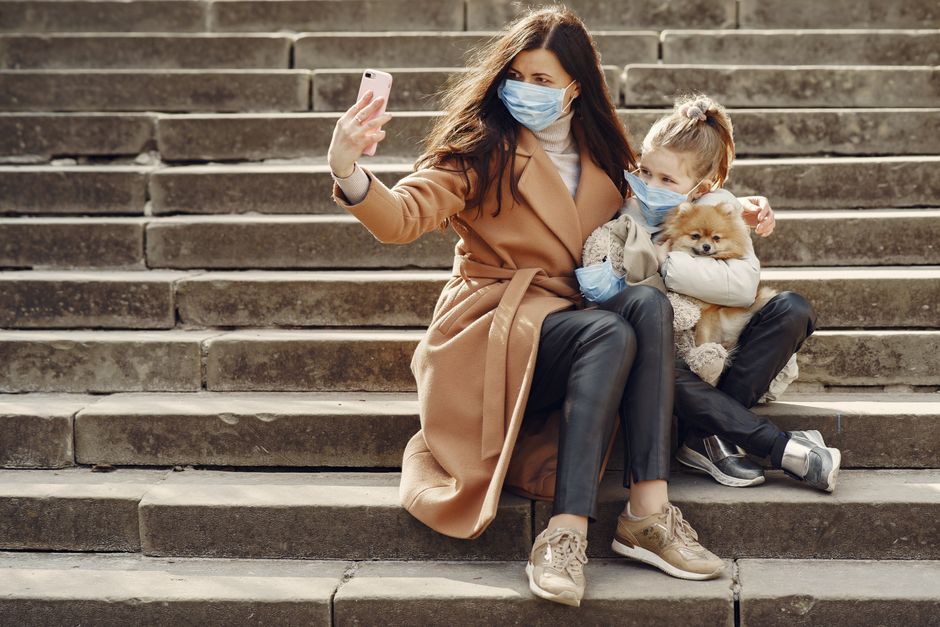
Respiratory syncytial virus (RSV) is a common virus that usually causes mild cold-like symptoms in adults. But for infants, older adults, and people with weakened immune systems, it can lead to serious lung infections like pneumonia or bronchiolitis. The best way to protect yourself and your family from RSV is a combination of updated vaccines, good hygiene habits, and knowing when to keep a sick person away from others.
What Is RSV and Why Should You Care?
RSV stands for respiratory syncytial virus. Almost all children get it by age two. Most cases are mild. But the virus is the leading cause of hospitalization for infants in the United States. The CDC reports that each year, about 58,000 to 80,000 children under five are hospitalized due to RSV infection. Among adults 65 and older, the virus causes 60,000 to 160,000 hospitalizations annually.
The problem is that RSV looks like a common cold at first. Runny nose, cough, sneezing, fever. In healthy adults, that is usually all it is. But in babies under six months, premature infants, and people with chronic heart or lung conditions, the virus can move into the lower airways and cause serious trouble breathing.
One thing many people do not realize is that RSV is highly seasonal. In most of the US, cases spike from fall through early spring. Knowing this timing can help you prepare, especially if you have a newborn or an elderly family member at home.
How To Protect Yourself And Family From RSV
The single most effective tool now available is the RSV vaccine. In 2023, the FDA approved the first RSV vaccines for adults aged 60 and older. The CDC recommends a single dose of RSV vaccine for all adults 75 and older. For adults aged 60 to 74, the recommendation applies if they have certain chronic conditions like heart disease, lung disease, or diabetes. These vaccines are about 80 percent effective at preventing severe RSV illness in older adults.
For infants, protection works differently. There is a shot called nirsevimab (brand name Beyfortus) for babies entering their first RSV season. This is not a vaccine in the traditional sense. It is a monoclonal antibody treatment that provides immediate protection. The CDC recommends it for all infants under eight months born during or entering their first RSV season. For high-risk children aged 8 to 19 months, a second dose is recommended.
Pregnant women also have an option. The RSV vaccine (Abrysvo) is approved for use during weeks 32 through 36 of pregnancy. It passes antibodies to the baby, providing protection for about six months after birth. Your doctor can help you decide which option — maternal vaccine or infant antibody shot — is right for your situation.
Beyond vaccines, everyday hygiene matters. Wash hands frequently with soap and water for at least 20 seconds. Clean high-touch surfaces like doorknobs, light switches, and remote controls. Avoid sharing cups, utensils, or towels with someone who is sick. Cover coughs and sneezes with your elbow, not your hand.
What Are the Most Common Symptoms and When Should You Worry?
RSV symptoms typically appear four to six days after exposure. In older children and adults, they include runny nose, decreased appetite, coughing, sneezing, fever, and wheezing. Most people recover in one to two weeks.
The signs that require medical attention are different for infants and adults. In babies, watch for fast breathing, flaring nostrils, grunting while breathing, chest pulling in with each breath, and dehydration (fewer than one wet diaper every six hours). Any of these symptoms means you should call your pediatrician or go to urgent care immediately.
In older adults, the warning signs are similar: trouble breathing, chest pain, confusion, severe dehydration, or a fever that lasts more than three days. The CDC notes that RSV can also worsen existing conditions like asthma, COPD, and congestive heart failure. If you have a chronic condition and develop cold symptoms during RSV season, check in with your doctor early.





Does Handwashing and Masking Really Help Against RSV?
Yes, but with important limits. RSV spreads through respiratory droplets when someone coughs or sneezes. It also lives on surfaces for several hours. Touching a contaminated surface and then touching your eyes, nose, or mouth can transmit the virus. Handwashing removes the virus from your hands before it gets a chance to infect you. Studies show that proper hand hygiene reduces respiratory infections by 16 to 21 percent in community settings.
Masks are moderately effective. A well-fitting N95 or KN95 mask blocks respiratory droplets. Surgical masks provide less protection but still help. Cloth masks are the least effective but better than nothing. The key is that masks work best when everyone wears them. If only one person masks, their risk drops, but not completely.
One thing people often get wrong is surface cleaning. While RSV can live on hard surfaces for up to six hours, the virus is easily killed with standard household disinfectants. Bleach solutions, alcohol-based cleaners, and hydrogen peroxide wipes all work. But the most common transmission route is direct contact with an infected person, not touching a counter. Prioritize keeping distance from sick people over obsessive surface cleaning.
| Protection Method | Effectiveness | Best For |
|---|---|---|
| RSV vaccine (adults 60+) | ~80% against severe illness | Older adults and high-risk adults |
| Nirsevimab (infants) | ~75% against hospitalization | Infants under 8 months |
| Maternal RSV vaccine | ~70% for first 6 months of life | Pregnant women (weeks 32-36) |
| Handwashing | 16-21% reduction in respiratory infections | Everyone |
| Masks (N95/KN95) | Moderate, best with universal use | High-risk settings |
How Long Is Someone Contagious With RSV?
People with RSV are usually contagious for three to eight days. But here is the tricky part: a person can spread the virus a day or two before symptoms even start. That means you can get infected by someone who feels perfectly fine. Infants and people with weakened immune systems can spread the virus for up to four weeks, even after they feel better.
This long contagious period is one reason RSV spreads so easily through households and daycare centers. If your child has RSV, keep them home from school or daycare for the duration of symptoms. For adults, staying home while symptomatic is the safest approach. The CDC recommends staying home until 24 hours after fever ends without fever-reducing medication and symptoms are improving.
One practical tip: if you have a newborn at home, limit visitors during RSV season, especially anyone with even mild cold symptoms. Ask visitors to wash their hands before holding the baby. It may feel awkward, but it is one of the most effective things you can do.
What About Natural Remedies and Over-the-Counter Options?
There are no natural remedies proven to prevent or cure RSV. Some people claim vitamin C, zinc, or elderberry can help. The evidence is weak at best. A 2013 Cochrane review found that vitamin C does not prevent colds in the general population, though it may slightly shorten their duration. Zinc lozenges may reduce cold duration by about a day if started within 24 hours of symptoms. But neither has been studied specifically for RSV prevention or treatment.
Over-the-counter medications like cough syrups, decongestants, and fever reducers can help with symptoms but do not kill the virus. Acetaminophen (Tylenol) or ibuprofen (Advil) can bring down a fever. Saline nasal drops or a humidifier can ease congestion. But never give over-the-counter cold medications to children under four years old. The FDA warns that these products can cause serious side effects in young children.
For severe RSV, there is no specific antiviral treatment for most people. Ribavirin is an antiviral drug sometimes used in very severe cases, but it is rarely given due to limited effectiveness and side effects. Hospital care for severe RSV focuses on supportive treatment: oxygen, fluids through an IV, and in extreme cases, mechanical ventilation.
Common Misconceptions About RSV
One widespread myth is that RSV is just a bad cold and you do not need to worry about it. For most people that is true. But for the groups mentioned earlier — infants, older adults, people with chronic conditions — it is genuinely dangerous. Dismissing it as “just a cold” can delay care that might prevent a hospitalization.
Another myth is that you can only get RSV once. Reinfection is common throughout life. The first infection is usually the worst. Later infections tend to be milder because your immune system remembers the virus. But immunity wanes over time, which is why older adults can get seriously ill even if they had RSV as children.
Some people think antibiotics treat RSV. They do not. Antibiotics work against bacteria, not viruses. Taking them for RSV will not help and can contribute to antibiotic resistance. Only use antibiotics if a doctor confirms a bacterial complication like an ear infection or pneumonia.
Frequently Asked Questions
Can adults get RSV from children?
Yes, adults can get RSV from children. The virus spreads easily through coughs, sneezes, and touching contaminated surfaces.
How long does RSV last in adults?
Most adults recover from RSV in one to two weeks. The cough can sometimes linger for three to four weeks.
Is there a test for RSV?
Yes, doctors can test for RSV using a nasal swab. Results are usually available within a few hours to a day.
Can you get RSV and flu at the same time?
Yes, it is possible to be infected with both RSV and flu simultaneously. This can cause more severe illness than either virus alone.
