
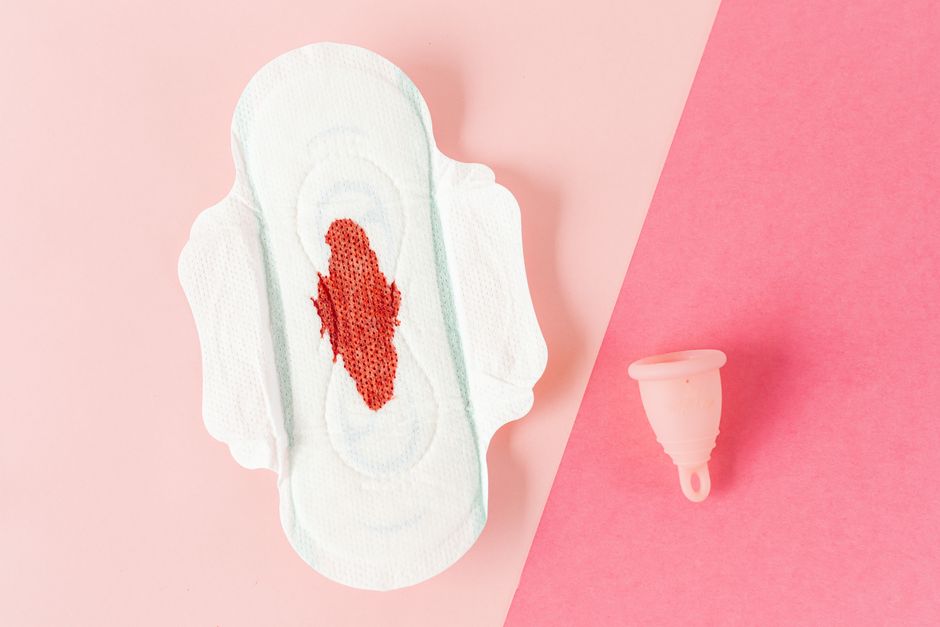
You cannot make your period come faster. No food, supplement, exercise, or home remedy has been shown in clinical research to reliably speed up a late period once your body has already begun its cycle. What you can do is understand why your period is late — and, in a small number of cases, get medical help for a treatable cause.
That is the honest answer, and it matters because a lot of what circulates online about “bringing on” a period is either unproven or actively unsafe. The menstrual cycle is driven by hormones that rise and fall on their own schedule. You can support the conditions that allow a normal cycle, but you cannot override the timing of a cycle that is already underway.
Why Is My Period Late?
Pregnancy is the most common reason for a missed period in people of reproductive age who are sexually active, and it should be ruled out first with a home test or a visit to a clinician. If pregnancy is not the cause, a late or missed period usually reflects a disruption somewhere in the hormone signaling between the brain and the ovaries.
The menstrual cycle depends on a conversation between the hypothalamus and pituitary gland in the brain and the ovaries. The hypothalamus releases a hormone that signals the pituitary, which releases follicle-stimulating hormone (FSH) and luteinizing hormone (LH). These drive the ovaries to produce estrogen and progesterone, which build and then shed the uterine lining. A disruption anywhere along that chain can delay or stop a period.
Common non-pregnancy causes include:
- Significant stress, which can suppress the hypothalamic signal
- Rapid weight loss, severe calorie restriction, or very low body fat
- Intense or excessive exercise
- Thyroid problems, including both an underactive and overactive thyroid
- High prolactin levels
- Polycystic ovary syndrome (PCOS)
- Perimenopause, the years leading up to menopause
- Certain medications, including some contraceptives and antipsychotics
- Chronic illness
Occasional cycle variation is normal. A cycle length anywhere from about 21 to 35 days is generally considered regular in adults. Stress, travel, illness, and sleep disruption can shift a cycle by a few days without anything being wrong.
Can You Actually Make Your Period Come Faster?
No. There is no evidence-based method to shorten the time until a period arrives once a cycle is already in progress. This is worth stating plainly because the internet is full of confident claims that say otherwise.
The hormonal events that trigger menstruation — a drop in progesterone and estrogen that causes the uterine lining to shed — are already set in motion by the time you notice your period is late. Nothing you eat or do in those final days changes that sequence.
Some hormonal medications can trigger bleeding, but this is not the same as “making your period come.” A clinician may prescribe a hormonal medication to induce a withdrawal bleed in specific situations, such as when a period has been absent for an extended time. That is a medical decision, not a home remedy, and it does not reset your natural cycle.
Do Home Remedies to Bring On a Period Work?
No home remedy has been shown in clinical research to bring on a period faster. The most commonly suggested ones — vitamin C, parsley, ginger, pineapple, warm baths, and herbal teas — have not been confirmed in human trials to induce menstruation.
This does not mean these things are harmful in normal amounts. It means the claims attached to them are not supported. A few deserve specific caution:
- High-dose vitamin C: Large doses can cause digestive upset and, in people with certain conditions such as kidney disease or a history of kidney stones, may be harmful. There is no established dose that induces a period.
- Herbal “emmenagogues”: Some herbs traditionally used to bring on a period — including certain doses of parsley oil, pennyroyal, and others — can be toxic. Pennyroyal in particular has caused serious liver injury and death. These are not safe home remedies.
- Hormonal supplements sold online: Products marketed to “balance hormones” or “reset your cycle” are not regulated the way medications are, and their contents may not match their labels.
If you are trying to bring on a period because you think you might be pregnant, none of these remedies will work, and some could harm a pregnancy. Take a pregnancy test first.





What Actually Helps Regulate Your Cycle?
You cannot speed up a single late period, but you can support the conditions that allow a regular cycle over time. The evidence is strongest for addressing the underlying cause rather than chasing a quick fix.
If your cycles are consistently irregular, the useful steps are the ones that address what is disrupting them:
- Eat enough. Chronic under-eating and rapid weight loss can suppress ovulation and stop periods. Restoring adequate nutrition is often what allows cycles to return.
- Moderate intense exercise. Very high training loads combined with low energy intake can disrupt cycles. This is common in endurance athletes and is sometimes called relative energy deficiency in sport (RED-S).
- Manage stress where you can. Sustained psychological stress can affect the hypothalamic signal that starts the cycle. The relationship is real, though how much stress affects any one person’s cycle varies.
- Get thyroid and prolactin checked. If periods are persistently irregular, a clinician can test for thyroid disorders and high prolactin, both of which are treatable.
- Review your medications. Some medications affect cycles. A clinician or pharmacist can tell you whether yours might.
None of these will make a period arrive this week. They address the reasons cycles go off track in the first place, which is the part you can actually influence.
When Should You See a Doctor About a Late Period?
See a clinician if your period is more than a few days late and you could be pregnant, or if you have missed three or more periods in a row without being pregnant. Both warrant an evaluation.
Other reasons to seek care:
- Your periods have stopped for three months or longer and you are not pregnant
- Your cycles have become consistently shorter than 21 days or longer than 35 days
- You are bleeding very heavily, bleeding between periods, or bleeding after sex
- You have symptoms such as unusual hair growth, acne, or weight changes alongside irregular periods
- You are under 45 and your periods have stopped, which may point to premature ovarian insufficiency
A missed period is sometimes the first sign of a condition that benefits from treatment, including thyroid disease, PCOS, and premature ovarian insufficiency. Finding the cause is more useful than trying to force a cycle.
Can Stress or Diet Really Delay a Period?
Yes. Stress and severe calorie restriction are among the best-documented causes of delayed or missed periods, because both can suppress the hypothalamic signal that starts the cycle.
The mechanism is fairly well understood. When the brain perceives a threat — whether from psychological stress, starvation, or extreme exercise — it can dial down the hormonal cascade that leads to ovulation. Without ovulation, the hormonal drop that triggers a period may not happen on schedule, or may not happen at all.
This is why periods can go missing during intense exam periods, after a major life event, or during a period of significant weight loss. It is also why restoring adequate nutrition and reducing extreme stress often brings cycles back. The timeline varies a lot from person to person. Some people see cycles return within a few months of addressing the cause; others take longer, and some need medical treatment.
What About Birth Control to Control Your Cycle?
Hormonal birth control can make cycles more predictable, but it works by overriding your natural cycle, not speeding it up. If you take a combined hormonal pill, the “period” you get during the placebo week is a withdrawal bleed caused by the drop in hormones, not a natural period.
Some people use hormonal birth control to schedule or skip periods for convenience. That is a legitimate use, and it is worth discussing with a clinician. It is not the same as making a late natural period come faster, and it does not address the underlying reason a natural cycle was disrupted.
Frequently Asked Questions
How can I make my period come faster?
You cannot make a period come faster once a cycle is already underway. No food, supplement, exercise, or home remedy has been shown in clinical research to reliably speed up a late period.
Does vitamin C bring on a period?
No human trials have confirmed that vitamin C induces menstruation. High doses can cause digestive upset and may be harmful for people with kidney conditions.
How late is too late for a period?
If you could be pregnant, test right away, since a missed period is often the first sign. If you are not pregnant and have missed three or more periods in a row, see a clinician for an evaluation.
Can stress really delay my period?
Yes. Sustained stress is a well-documented cause of delayed or missed periods because it can suppress the brain signal that starts the cycle.
