
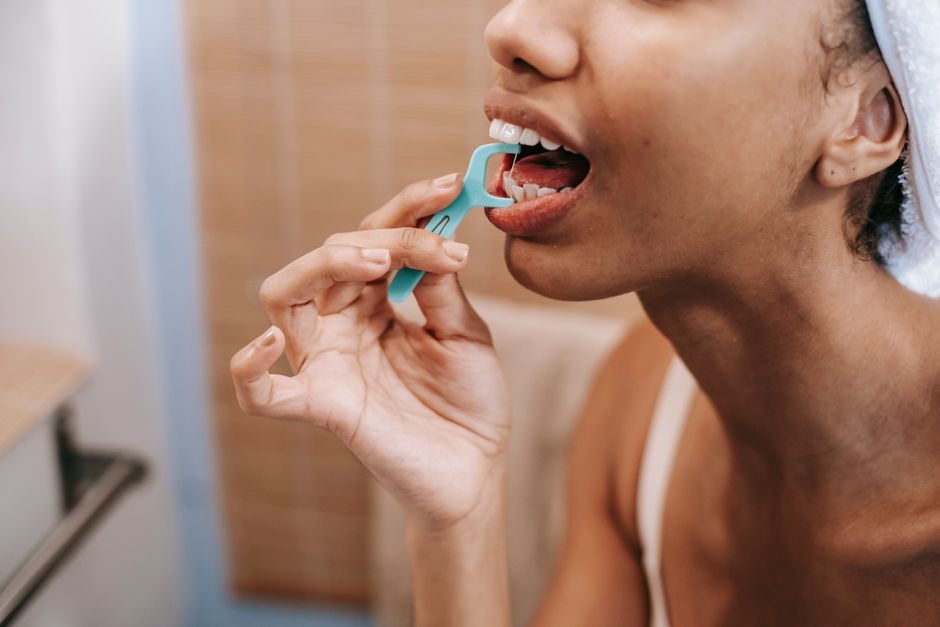
Strong teeth start with what you eat and how you care for your mouth. Your teeth are living tissue, and they respond to nutrients, pH levels, and daily habits. The most effective way to make teeth stronger is to combine a diet rich in calcium, phosphorus, and vitamin D with consistent oral hygiene and regular dental care. Fluoride remains the most proven tool for rebuilding enamel, and limiting sugar is the single most important dietary change you can make.
What Foods Actually Strengthen Tooth Enamel?
Tooth enamel is the hardest substance in your body, but it is not living tissue. It cannot repair itself once it breaks down. However, it can remineralize, which means minerals like calcium and phosphate can re-enter the enamel surface and harden it again.
Dairy products are the most reliable source of these minerals. Milk, cheese, and plain yogurt deliver calcium and casein, a protein that forms a protective film on teeth. Hard cheeses like cheddar are especially useful because they stimulate saliva, which washes away food particles and neutralizes acid.
Leafy greens such as kale, spinach, and broccoli provide calcium and folic acid. They also require more chewing, which increases saliva flow. Almonds and other nuts offer calcium and protein with very little sugar. Fatty fish like salmon and sardines supply vitamin D, which your body needs to absorb calcium effectively.
Crunchy vegetables like carrots, celery, and apples do not strengthen enamel directly, but they clean tooth surfaces mechanically and boost saliva production. Saliva is your mouth’s natural defense system. It dilutes acids, washes away bacteria, and carries the minerals your teeth need.
How Does Sugar Damage Teeth and Why Does It Matter?
Sugar is not the direct cause of cavities. Bacteria in your mouth feed on sugar and produce acid as a waste product. That acid dissolves enamel minerals. The more often your teeth are exposed to sugar, the more acid your mouth produces, and the more minerals your enamel loses.
It is not just the amount of sugar that matters. Frequency matters more. A single soda consumed slowly over an hour is worse for your teeth than the same soda drunk quickly because your teeth stay bathed in acid for longer. Every sip resets the acid attack.
Hidden sugars are everywhere. Bread, pasta, crackers, and many processed snacks break down into sugars in your mouth. Dried fruit is especially problematic because it is sticky and concentrates sugar against the tooth surface. Even “healthy” foods like granola bars and flavored yogurts can contain as much sugar as candy.
If you do eat something sugary, the best time is during a meal. Saliva production peaks while you chew, which helps neutralize acid faster. Snacking on sugary foods between meals gives your teeth no break from acid exposure.
What Role Does Fluoride Play in Making Teeth Stronger?
Fluoride is the only mineral proven to both prevent cavities and reverse early enamel damage. It works in two ways. First, it incorporates into the enamel structure, making it more resistant to acid. Second, it promotes remineralization, helping minerals re-enter the enamel surface.
Most tap water in the United States contains fluoride at levels that benefit dental health. If you drink bottled water exclusively, you may be missing this protection. Check whether your bottled water contains added fluoride. Most do not.
Fluoride toothpaste is essential. Use a pea-sized amount and spit, but do not rinse with water afterward. Rinsing washes away the fluoride before it has time to work. Wait at least 30 minutes after brushing to eat or drink anything.
Your dentist can apply professional fluoride treatments that are more concentrated than toothpaste. These are particularly valuable if you have a history of cavities, dry mouth, or exposed tooth roots. Some dentists also recommend prescription-strength fluoride toothpaste for people at high risk of decay.





How To Make Your Teeth Stronger Diet Habits More?
The habits that strengthen teeth go beyond just choosing the right foods. Timing, order, and consistency all matter. Eating cheese at the end of a meal, for example, can neutralize acid and reduce enamel damage from the foods you just ate.
Drink water throughout the day, especially after meals and snacks. Water rinses away food particles and dilutes acids. If you have access to fluoridated tap water, that is even better. Swish water around your mouth after eating anything acidic or sweet.
Limit acidic drinks like soda, sports drinks, and fruit juice. These beverages lower the pH in your mouth and directly dissolve enamel. If you drink them, use a straw to minimize contact with your teeth, and do not brush immediately afterward. Acid softens enamel temporarily, and brushing while it is soft can wear it away. Wait at least 30 minutes.
Chewing sugar-free gum after meals can help. It stimulates saliva flow, which neutralizes acid and promotes remineralization. Look for gum sweetened with xylitol, a natural sweetener that some research suggests may reduce cavity-causing bacteria.
Regular brushing twice a day with fluoride toothpaste and flossing once a day remain the foundation of tooth strength. No food or supplement can replace these habits. Brushing removes the bacterial film, called plaque, that traps acid against your teeth. Flossing reaches the spaces between teeth where cavities most often form.
Can Supplements Strengthen Your Teeth?
Calcium and vitamin D supplements do not directly strengthen teeth in adults. The enamel on erupted teeth is already formed and does not take up significant calcium from your bloodstream. Supplements matter most during childhood when teeth are developing.
That said, adequate calcium and vitamin D are still important for your overall health, including the jawbone that holds your teeth. If your jawbone weakens, your teeth can become loose even if the teeth themselves are healthy. Most adults can meet their calcium needs through diet alone. The recommended dietary allowance for calcium is 1000 mg per day for most adults, increasing to 1200 mg for women over 50 and men over 70.
Vitamin D deficiency is common, especially in northern states and among people who spend little time outdoors. Your body needs vitamin D to absorb calcium from food. If you are deficient, your bones and jawbone will suffer even if you consume plenty of calcium. A simple blood test can tell you whether your levels are adequate.
Be cautious with supplements that claim to “rebuild” or “regrow” tooth enamel. No supplement can regrow enamel because enamel contains no living cells. These products are marketing, not medicine. Some contain hydroxyapatite, a form of calcium that may help remineralize early enamel damage, but the evidence is still emerging and does not match the strength of fluoride research.
What Habits Are Silently Damaging Your Teeth?
Several common habits undermine tooth strength without people realizing it. Teeth grinding, often done during sleep, wears down enamel mechanically. If you wake with jaw pain or headaches, or if your dentist notices flat spots on your teeth, ask about a night guard.
Using your teeth as tools is another risk. Opening packages, cracking nuts, or biting your nails can chip or fracture teeth. These injuries often require dental treatment and can expose the softer inner layers of the tooth to bacteria.
Brushing too hard is a widespread problem. Aggressive brushing wears away enamel at the gum line and can cause gum recession. Use a soft-bristled brush and gentle circular motions. Your gums should never bleed from brushing. If they do, you are either brushing too hard or you have gum disease that needs professional attention.
Dry mouth is also damaging. Saliva is essential for neutralizing acid and remineralizing teeth. Many medications, including antihistamines, antidepressants, and blood pressure drugs, reduce saliva flow. If you have chronic dry mouth, talk to your doctor or dentist. Chewing sugar-free gum, drinking more water, and using saliva substitutes can help.
How Often Should You See the Dentist?
Most adults should see a dentist for a cleaning and checkup every six months. This schedule is not arbitrary. Plaque hardens into tartar within about 24 to 72 hours if not removed, and once it hardens, brushing cannot remove it. Professional cleaning removes tartar from areas you cannot reach.
Your dentist can also detect early enamel damage before it becomes a cavity. Early-stage decay can sometimes be reversed with fluoride and improved habits. Once a cavity forms, it requires a filling. Regular visits catch problems while they are still reversible.
Some people need more frequent visits. If you have gum disease, a history of cavities, or a medical condition that affects your teeth, your dentist may recommend visits every three or four months. Follow your dentist’s advice based on your individual risk.
Frequently Asked Questions
What foods make teeth stronger fastest?
Dairy products like cheese, milk, and yogurt provide calcium and phosphate that help remineralize enamel. Crunchy vegetables and sugar-free gum stimulate saliva, which protects teeth throughout the day.
Can tooth enamel be restored once it is damaged?
Enamel cannot regrow because it contains no living cells, but early damage can be remineralized with fluoride and minerals from saliva. Once a cavity forms, a dentist must repair it with a filling.
Is sugar-free gum actually good for your teeth?
Yes, sugar-free gum stimulates saliva flow, which neutralizes acid and washes away food particles. Gum sweetened with xylitol may also reduce cavity-causing bacteria in the mouth.
Does brushing right after eating acidic foods help protect teeth?
No, brushing immediately after acidic foods can wear away softened enamel. Wait at least 30 minutes after eating or drinking anything acidic before you brush.
