
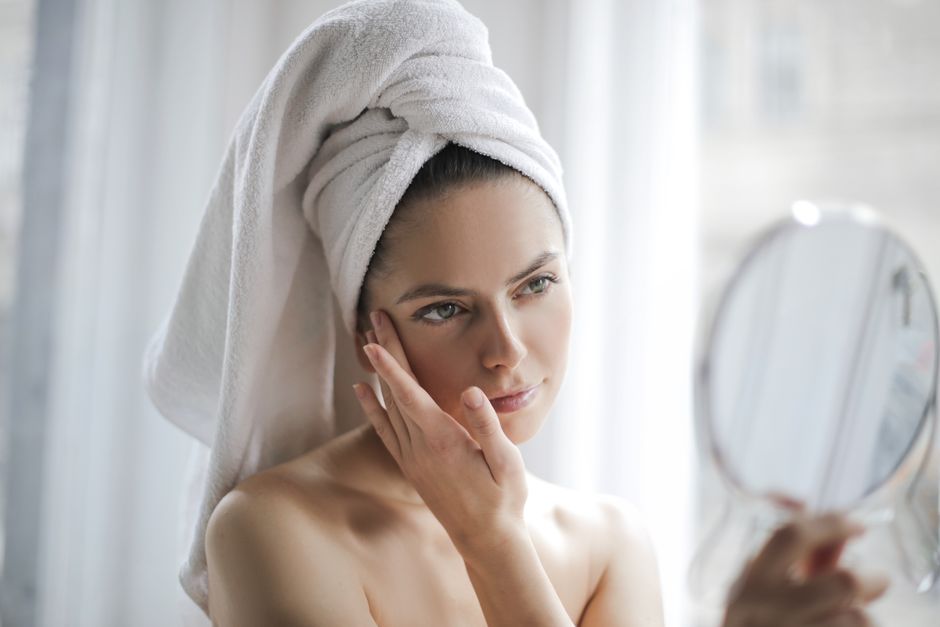
Sensitive skin is not a medical diagnosis but a description of how your skin reacts. People with sensitive skin experience stinging, burning, redness, or tightness after using certain products or being in certain environments. These reactions happen because the skin’s protective barrier is weaker or more reactive than average. The key characteristics include visible redness, a tendency to flush easily, frequent reactions to skincare products, and discomfort from weather changes or fabrics.
What Are The Characteristics Of Sensitive Skin?
Sensitive skin shows up in predictable ways. The most common sign is redness. This can look like a persistent flush across the cheeks, nose, and chin. It can also appear as temporary blotchiness after washing your face or applying a product.
Another clear characteristic is a stinging or burning feeling. This happens when you put something on your skin that most people would not react to. A moisturizer that feels fine for others might make your skin tingle or burn within seconds. The American Academy of Dermatology notes that this reaction is often a sign of a compromised skin barrier.
Tightness and dryness are also common. Sensitive skin often feels tight after cleansing, even with gentle products. It may look dull or flaky. These symptoms point to a barrier that is not holding onto moisture well.
Some people also experience visible blood vessels. These look like small red or purple lines on the face. They are more common in people with fair skin, but anyone with sensitive skin can develop them over time.
Rashes and bumps are another sign. Sensitive skin can break out in small red bumps or rough patches that feel like sandpaper. These are not always acne. They are often a reaction to an ingredient or environmental trigger.
What Causes Skin to Become Sensitive?
The root cause is almost always a damaged or weakened skin barrier. Your skin barrier is the outermost layer of your skin. It keeps moisture in and irritants out. When it gets thin or damaged, things that should not bother you start to cause reactions.
Genetics play a role. Some people are simply born with a thinner barrier or more reactive nerve endings. Research published in the British Journal of Dermatology has found that people with fair skin and a history of eczema or allergies are more likely to have sensitive skin.
Environmental factors make it worse. Cold wind, dry indoor heat, and low humidity all strip moisture from the skin. This weakens the barrier further. Sun exposure is another major culprit. UV rays damage the skin barrier directly and cause inflammation.
Over-cleansing is a common cause that many people do not realize. Washing your face too often or using harsh cleansers strips away the natural oils your barrier needs. The same goes for using too many active ingredients like retinol, acids, or vitamin C at once. The skin cannot keep up with repair.
Stress and lack of sleep also contribute. When you are stressed, your body produces cortisol. This hormone can increase inflammation and make skin more reactive. A study in Clinical and Experimental Dermatology found that stress directly worsened skin sensitivity in participants.
How Is Sensitive Skin Different From Allergic Reactions?
This is a common point of confusion. Sensitive skin reactions are not true allergies. An allergic reaction involves your immune system. It happens when your body identifies a substance as a threat and releases histamine. That causes hives, swelling, and itching that can spread beyond where the product was applied.
Sensitive skin reactions are irritant reactions. They happen because the product directly damages or irritates the top layer of skin. There is no immune response. The stinging or redness stays where you applied the product and does not spread. It also tends to happen immediately or within minutes.
Allergic reactions can develop over time. You might use a product for weeks before suddenly reacting. This is called contact dermatitis. It is less common than simple irritation but more serious. If you have swelling, blisters, or a rash that spreads, you should see a dermatologist.
Most people who say they have sensitive skin actually have irritant reactions. A 2019 survey in Dermatitis found that about 60 percent of women report having sensitive skin, but only a fraction have true allergic contact dermatitis. The rest have a lower tolerance for irritants.




What Ingredients Should People With Sensitive Skin Avoid?
Fragrance is the most common offender. This includes both synthetic fragrances and natural essential oils. Lavender, rose, peppermint, and citrus oils are natural but still highly irritating. The American Contact Dermatitis Society named fragrance the allergen of the year in 2022. If a product lists “fragrance” or “parfum” on the label, it is a risk.
Alcohol is another one to watch. Denatured alcohol, SD alcohol, and isopropyl alcohol are common in toners and acne products. They evaporate quickly and strip the skin barrier. Some fatty alcohols like cetyl alcohol and stearyl alcohol are fine. They are moisturizing and not irritating.
Preservatives like methylisothiazolinone and formaldehyde-releasing preservatives are known irritants. They are found in many rinse-off products like shampoos and cleansers. Check labels if you react to multiple products.
Physical exfoliants like walnut shell powder or apricot kernel scrub can cause micro-tears in sensitive skin. They are too harsh. Stick to gentle chemical exfoliants like lactic acid or polyhydroxy acids if you exfoliate at all.
High concentrations of active ingredients are also problematic. Retinol, glycolic acid, salicylic acid, and vitamin C in high percentages can overwhelm sensitive skin. That does not mean you cannot use them. It means you need lower strengths and slower introduction.
| Ingredient Category | Examples to Avoid | Safer Alternatives |
|---|---|---|
| Fragrance | Parfum, essential oils, linalool | Fragrance-free products |
| Drying Alcohols | SD alcohol, denatured alcohol | Fatty alcohols (cetyl, stearyl) |
| Harsh Preservatives | Methylisothiazolinone, formaldehyde | Phenoxyethanol, ethylhexylglycerin |
| Abrasive Exfoliants | Walnut shell, apricot kernel | Lactic acid, PHA |
| Strong Actives | High % retinol, glycolic acid | Bakuchiol, azelaic acid |
What Actually Helps Calm Sensitive Skin?
Start with a simple routine. The fewer products you use, the fewer chances for irritation. A basic routine is a gentle cleanser, a moisturizer, and sunscreen. That is all most sensitive skin needs. Add other products only one at a time and wait two weeks before adding another.
Use a gentle cleanser. Look for words like “cream cleanser,” “milky cleanser,” or “non-foaming.” Foaming cleansers often contain sulfates that strip the skin. Ceramides, glycerin, and niacinamide are helpful ingredients in a cleanser for sensitive skin.
Moisturize while skin is damp. Apply moisturizer within 60 seconds of washing your face. This locks in water before it evaporates. Look for moisturizers with ceramides, squalane, shea butter, or colloidal oatmeal. These ingredients support the skin barrier.
Sunscreen is non-negotiable. UV damage makes sensitive skin worse. Mineral sunscreens with zinc oxide or titanium dioxide are usually better tolerated than chemical sunscreens. They sit on top of the skin and do not absorb. Chemical sunscreens like avobenzone and oxybenzone can cause stinging.
Patch test everything. Put a small amount of a new product on your inner arm or behind your ear. Wait 24 hours. If no reaction happens, try it on a small area of your face for a few days. This is not foolproof, but it catches most reactions before they cover your whole face.
Some people report that azelaic acid helps. It is a gentle ingredient that reduces redness and inflammation. Research in Journal of Drugs in Dermatology supports its use for rosacea and general skin sensitivity. It is available over the counter in lower strengths.
Common Misconceptions About Sensitive Skin
One big misconception is that sensitive skin is always red. Some people have sensitive skin that only stings or feels tight without visible redness. They still have a compromised barrier even if no one can see it. Do not dismiss your symptoms just because your skin looks calm.
Another myth is that natural products are always safer. This is not true. Poison ivy is natural. Many essential oils are more irritating than synthetic alternatives. “Natural” and “gentle” are not the same thing. Always check the ingredient list regardless of the marketing.
Some people believe sensitive skin cannot use any active ingredients. That is also false. Sensitive skin can tolerate certain actives at the right concentration and frequency. Azelaic acid, niacinamide, and bakuchiol are well tolerated. The key is starting low and going slow.
There is also a belief that sensitive skin is permanent. It often is not. Many people develop sensitivity temporarily due to over-exfoliation, weather changes, or stress. If you fix the barrier, the sensitivity often goes away. You can return to a more normal routine once your skin heals.
A final misconception is that you need expensive products. Price does not determine gentleness. Some drugstore brands like Cetaphil, CeraVe, and Vanicream are specifically formulated for sensitive skin and are recommended by dermatologists. They work because of their ingredients, not their price tag.
Frequently Asked Questions
Can sensitive skin develop later in life?
Yes. Many people develop sensitive skin in their 30s or 40s as the skin barrier naturally thins with age. Hormonal changes and cumulative sun damage also contribute.
Is sensitive skin the same as rosacea?
No. Rosacea is a specific medical condition with visible blood vessels and persistent redness. Sensitive skin is a broader term for reactivity. However, many people with rosacea also have sensitive skin.
How do I know if a product is safe for sensitive skin?
Look for the National Eczema Association seal or products labeled “fragrance-free” and “for sensitive skin.” The best test is a patch test on your inner arm before full use.
Should I see a dermatologist for sensitive skin?
If your symptoms interfere with daily life or you have persistent redness, stinging, or rashes, a dermatologist can help identify triggers and prescribe treatments.
