
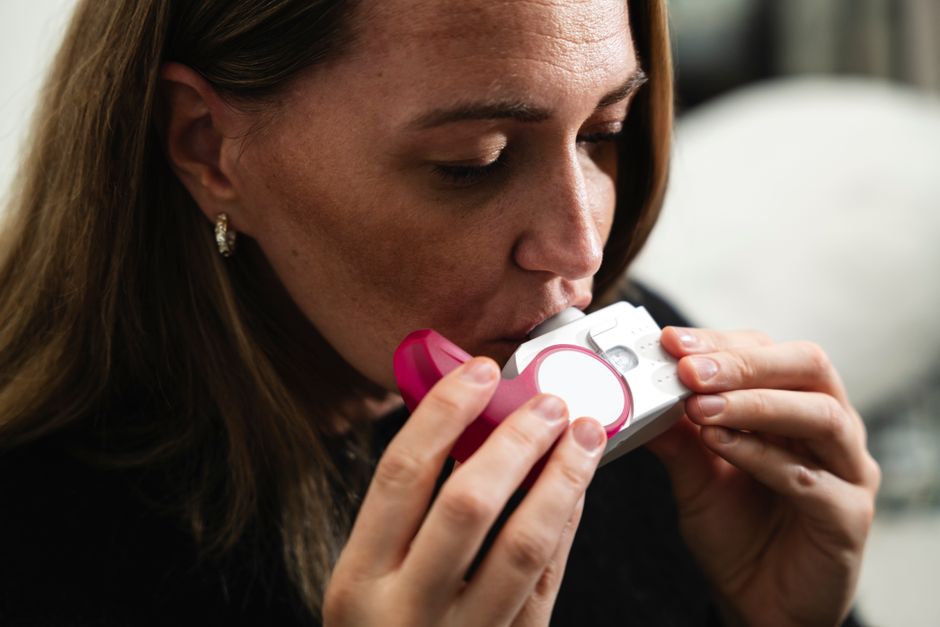
Making your home asthma friendly means reducing the specific triggers that cause airway inflammation. Dust mites, mold, pet dander, cockroach droppings, and tobacco smoke are the main culprits indoors. You can control most of these with consistent cleaning habits, moisture control, and a few targeted changes to how you furnish and ventilate your living space.
Why Does the Home Environment Matter for Asthma?
Asthma is a condition where your airways are sensitive and inflamed. When you breathe in a trigger, the muscles around your airways tighten, the lining swells, and mucus production increases. This makes it hard to breathe.
Indoor air is often more polluted than outdoor air. In an average home, dust mites thrive in bedding and upholstery. Humidity above 50 percent encourages mold growth. Pet dander settles into carpets and stays there for months. These are not minor annoyances—for someone with asthma, they are direct causes of symptoms.
Reducing these triggers does not cure asthma. But it can significantly reduce how often you need your rescue inhaler and how severe your symptoms are on a daily basis.
What Are the Most Common Asthma Triggers Inside a Home?
You cannot remove every possible trigger. But you can prioritize the ones that have the strongest evidence behind them. The following are the most well-documented indoor asthma triggers:
- Dust mites — microscopic bugs that feed on dead skin cells. They live in mattresses, pillows, carpets, and stuffed toys.
- Mold and mildew — grow in damp areas like bathrooms, basements, and around leaky windows or pipes.
- Pet dander — tiny flakes of skin, plus saliva and urine proteins from cats, dogs, and other furry animals.
- Cockroaches — their droppings, saliva, and body parts are potent allergens, especially in urban homes.
- Tobacco smoke — secondhand smoke is a direct irritant that can trigger asthma attacks in both children and adults.
- Strong chemical fumes — from cleaning products, air fresheners, paints, and perfumes.
Some research also points to nitrogen dioxide from gas stoves as a trigger. Studies have found that homes with gas cooking have higher levels of this pollutant, which can worsen asthma symptoms in children.
How To Make Your Home Asthma Friendly: Bedroom First
You spend about a third of your life in your bedroom. It is also where dust mites concentrate most heavily because of the bedding and body heat. Start here.
Encase your mattress, box spring, and pillows in allergen-proof covers. These covers have a tight weave that keeps dust mites from getting in or out. Wash all bedding—sheets, pillowcases, and blankets—weekly in hot water. The water needs to be at least 130°F to kill dust mites. If your water heater is set lower, use a commercial allergen wash additive instead.
Remove wall-to-wall carpet in the bedroom if possible. Hardwood, tile, or linoleum floors do not trap allergens. If you cannot remove the carpet, vacuum it weekly with a vacuum that has a HEPA filter. HEPA filters trap small particles that regular vacuums just blow back into the air.
Keep stuffed animals out of the bed. If your child cannot sleep without one, wash it weekly in hot water and put it in the dryer on high heat for 30 minutes.





How To Control Humidity and Prevent Mold
Mold needs moisture to grow. Controlling humidity is the single most effective way to prevent mold problems in a home.
Keep indoor humidity between 30 and 50 percent. You can measure this with a simple hygrometer, which costs about ten dollars at most hardware stores. During humid summer months, run a dehumidifier in basements and other damp areas. In bathrooms, run the exhaust fan during and for 20 minutes after showers.
Fix any leaks promptly. A slow leak under a sink or behind a refrigerator can feed mold growth for months before you notice it. Check the seals around windows and doors, and inspect the roof for missing shingles after storms.
If you see visible mold, clean it with soap and water or a commercial mold cleaner. The Environmental Protection Agency recommends removing moldy materials like ceiling tiles or drywall that cannot be fully cleaned. Bleach is not recommended for porous surfaces because it does not penetrate deep enough to kill the roots.
Managing Pets Without Giving Them Away
Pet dander is a common trigger, but it is not the fur itself that causes problems—it is the proteins in skin flakes, saliva, and urine. These proteins are tiny and become airborne easily.
If you have a pet and someone in the home has asthma, keep the pet out of the bedroom entirely. This is the most important rule. The bedroom should be a dander-free sanctuary. Close the door and keep it closed.
Bathing your dog once a week can reduce airborne dander. Cats are harder to bathe, but weekly wiping with a damp cloth can help. Wash pet bedding frequently and vacuum upholstery regularly.
HEPA air purifiers in the main living areas can capture airborne dander. Look for a purifier with a clean air delivery rate (CADR) appropriate for the room size. HEPA filters are the only type that reliably captures particles as small as pet dander.
Ventilation and Air Cleaning: What Actually Works
Fresh air dilutes indoor pollutants. But opening windows during high pollen season can bring outdoor allergens in. The right approach depends on the season and your specific triggers.
Use exhaust fans in the kitchen and bathroom to remove moisture and cooking fumes. If you have a gas stove, use the exhaust fan every time you cook, even for boiling water. Some research suggests this reduces nitrogen dioxide exposure significantly.
Air purifiers with HEPA filters can help, but they are not a substitute for cleaning. They only remove particles that pass through the filter. They do nothing for gases like nitrogen dioxide or volatile organic compounds. For those, you need ventilation or an activated carbon filter.
Change HVAC filters regularly—every three months at minimum. Choose filters with a MERV rating of 11 or higher. These capture more particles than standard fiberglass filters.
Cleaning Products and Chemical Irritants
Many common cleaning products release volatile organic compounds (VOCs) that can irritate airways. Bleach, ammonia, and aerosol sprays are the worst offenders for people with asthma.
Switch to fragrance-free, unscented cleaning products. “Fragrance” is a catch-all term that can include hundreds of different chemicals, and many are known respiratory irritants. Look for products labeled “fragrance-free” rather than “unscented”—unscented products may still contain masking chemicals.
Do not use plug-in air fresheners, aerosol deodorizers, or scented candles. These do not clean the air—they add chemicals to it. If you want to freshen a room, open a window or use a simple baking soda box in the corner.
When you do use cleaning products, open windows and wear a mask if you are sensitive. Better yet, use simple cleaners like white vinegar and baking soda for most jobs. They are effective and do not off-gas harmful chemicals.
Controlling Cockroaches Without Toxic Pesticides
Cockroach allergens are a major asthma trigger, especially in apartment buildings and warmer climates. The allergens persist even after the roaches are gone, so prevention is key.
Keep all food in sealed containers. Do not leave dirty dishes in the sink overnight. Take out the trash regularly and keep it in a can with a tight lid. Fix any plumbing leaks, since roaches need water to survive.
Seal cracks and gaps around baseboards, pipes, and cabinets where roaches can enter. If you need to treat an infestation, use gel baits or boric acid in areas away from children and pets. Avoid foggers and bug sprays that release chemicals into the air you breathe.
What About Air Ducts and Carpets?
Professional duct cleaning is often marketed as essential for asthma. The evidence is limited. The EPA does not recommend routine duct cleaning unless ducts are visibly contaminated with mold or pests.
If you have central air, the most important thing is changing filters regularly and making sure the system is well-maintained. Duct cleaning will not solve an underlying moisture or mold problem.
Carpets are a different story. They are the single largest reservoir for allergens in a home. Wall-to-wall carpet holds dust mites, pet dander, mold spores, and tracked-in pollutants. If you have asthma and can afford to replace carpet with hard flooring, that is one of the most effective changes you can make.
If replacing carpet is not possible, vacuum weekly with a HEPA-filter vacuum and have carpets professionally steam-cleaned every six months. Steam cleaning at high temperatures kills dust mites and removes allergens that regular vacuuming misses.
Frequently Asked Questions
How often should I wash bedding for asthma?
Wash all bedding weekly in hot water at 130°F or higher. Use allergen-proof covers on the mattress and pillows to reduce dust mite exposure between washes.
Do air purifiers really help with asthma?
HEPA air purifiers can help by removing airborne particles like pet dander and dust, but they do not replace regular cleaning. They are most effective when used in the bedroom and main living areas.
Can I keep my pet if I have asthma?
Yes, but keep the pet out of the bedroom and wash it weekly if possible. HEPA air purifiers and frequent vacuuming can reduce airborne dander, though no method removes it completely.
What humidity level is best for asthma?
Keep indoor humidity between 30 and 50 percent. Use a dehumidifier in damp areas and run exhaust fans in bathrooms to prevent mold growth.
