
Asthma attacks are not random events that strike without warning. Most are triggered by something specific — allergens, cold air, exercise, smoke, or an infection — and the steps that reduce them are well established.
The most effective way to prevent asthma attacks is to control the underlying inflammation with daily controller medication, identify and avoid your personal triggers, and act early when symptoms begin to worsen. These three habits form the foundation of every major asthma management guideline. The ten steps below break that foundation into practical actions you can take.
What Actually Causes an Asthma Attack?
An asthma attack happens when the airways narrow, swell, and produce extra mucus, making it hard to breathe. This is a physical process, not a psychological one.
In people with asthma, the airways are chronically inflamed. That inflammation makes them hyperresponsive — meaning they react to things that would not bother most people. When a trigger hits, the smooth muscle around the airways contracts, the lining swells, and mucus production increases. The result is the classic combination of wheezing, chest tightness, coughing, and shortness of breath.
This is why treating only the symptoms of an attack misses the bigger picture. The inflammation is there between attacks too, even when you feel fine. Controller medication targets that ongoing inflammation. Rescue medication opens the airways during an attack but does nothing to calm the underlying problem.
Understanding this distinction matters. Many people stop their daily controller inhaler when they feel well. That is often when inflammation quietly builds back up and the next attack becomes more likely.
How To Prevent Asthma Attacks: 10 Proven Steps
These ten steps reflect the core recommendations found across major asthma guidelines. No single step works alone. The strongest protection comes from combining them.
- Take controller medication daily, even when you feel fine. Inhaled corticosteroids reduce airway inflammation over time. Skipping doses when symptoms are quiet is one of the most common reasons attacks return.
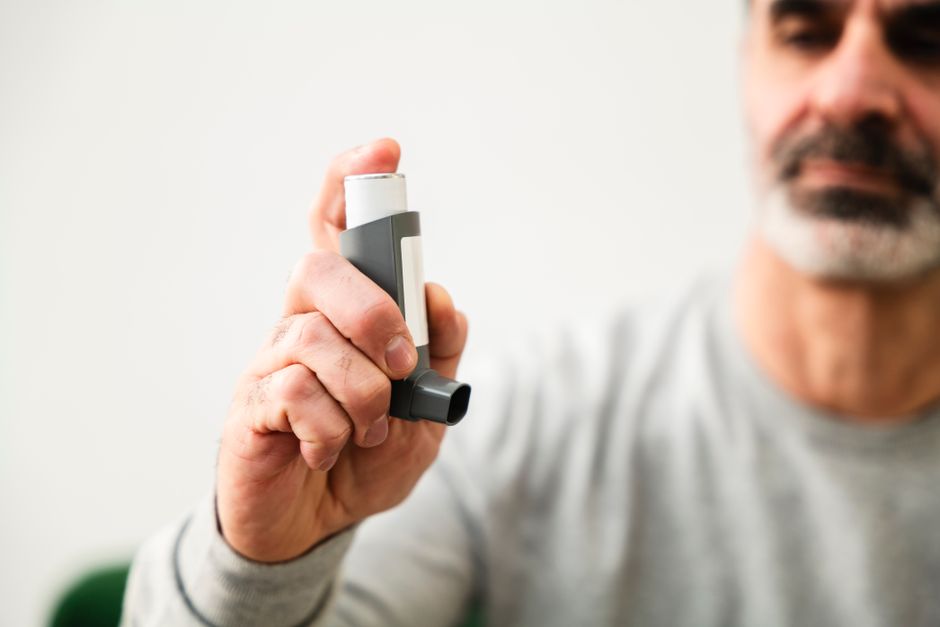
- Always carry and know how to use a rescue inhaler. A quick-relief inhaler such as albuterol opens airways within minutes during an attack. It does not replace controller medication.
- Identify your personal triggers. Triggers vary widely. Common ones include dust mites, pet dander, pollen, mold, cold air, exercise, smoke, and respiratory infections.
- Reduce indoor allergens. Dust mite covers on mattresses and pillows, washing bedding in hot water weekly, and keeping indoor humidity below about 50 percent can reduce exposure.
- Get a written asthma action plan. This is a personalized document from your clinician that explains what to do when symptoms are mild, moderate, or severe, and when to seek emergency care.
- Get vaccinated against respiratory infections. Viral infections like influenza and COVID-19 are common asthma triggers. Staying current on recommended vaccines reduces that risk.
- Avoid tobacco smoke entirely. Smoking and secondhand smoke worsen airway inflammation and reduce how well controller medication works.
- Manage acid reflux and allergies. Untreated allergic rhinitis and acid reflux can both worsen asthma control. Treating them often improves breathing.
- Monitor your breathing with a peak flow meter. Tracking your peak flow can reveal narrowing airways before you feel symptoms, giving you time to act.
- Review your inhaler technique at every appointment. Poor technique is extremely common and means less medication reaches the lungs. Ask your clinician to watch you use it.
Why Is Daily Controller Medication So Important?
Daily controller medication is the single most effective step for reducing asthma attacks in people with persistent asthma. This is one of the most consistent findings in respiratory medicine.
Inhaled corticosteroids work by reducing the swelling and sensitivity inside the airways. They do not provide immediate relief — that is not their job. Their value is in lowering the frequency and severity of attacks over weeks and months. Because the benefit builds slowly, people often stop taking them once they feel better, which allows inflammation to return.
Some people with mild asthma may be managed differently. Guidelines in recent years have moved toward using a combination inhaler as both rescue and controller for certain patients, rather than a separate daily steroid and a separate rescue inhaler. This is a decision your clinician makes based on your symptoms, lung function, and history.
The key point is this: if you have been prescribed a daily controller, the evidence supports taking it consistently. If you are unsure why you are on a particular medication, ask. Understanding the reason improves the odds you stick with it.





Which Triggers Matter Most — And How Do You Find Yours?
Triggers are highly individual. What sets off one person’s asthma may do nothing to another. Finding yours takes some detective work.
Common categories include:
- Allergens: dust mites, pet dander, cockroach residue, mold, and pollen
- Irritants: tobacco smoke, strong fragrances, cleaning chemicals, and air pollution
- Weather: cold, dry air and sudden temperature changes
- Exercise: especially in cold or dry conditions
- Infections: colds, flu, and other respiratory viruses
- Emotions: stress and strong emotions can trigger symptoms, though they are not the cause of asthma
A practical approach is to keep a simple log. Note when symptoms flare and what was happening beforehand. Over a few weeks, patterns often emerge. Allergy testing can also help confirm whether specific allergens are involved.
One clarification worth making: emotional stress can trigger an asthma attack, but it does not mean the asthma is “in your head.” The airways of people with asthma are physically hyperresponsive. Stress is simply one of many inputs that can set off that response.
When Should You Use an Asthma Action Plan?
An asthma action plan is a written guide that tells you exactly what to do as symptoms change. It is one of the most practical tools available, and every person with asthma should have one.
A typical plan uses a traffic-light system — green, yellow, and red zones — based on symptoms and peak flow readings.
| Zone | What It Means | General Action |
|---|---|---|
| Green | Breathing is good, no symptoms | Continue daily controller medication |
| Yellow | Symptoms are starting or peak flow is dropping | Follow your plan’s instructions, which may include extra medication |
| Red | Severe symptoms, rescue inhaler not helping | Seek emergency care immediately |
The exact medications and doses in each zone are set by your clinician, not by a general guide. The value of the plan is that it removes guesswork during a stressful moment. When breathing gets hard, you do not want to be deciding what to do from scratch.
Review your plan at least once a year, and any time your symptoms change or your medication changes.
Can Lifestyle Changes Reduce Asthma Attacks?
Lifestyle changes can support asthma control, but they do not replace medication. This distinction matters because some marketing implies otherwise.
Weight management is one area with reasonable evidence. Obesity is associated with worse asthma control, and weight loss in people with obesity has been linked to improved symptoms in some studies. The relationship is not fully understood, and weight loss is not a guaranteed fix.
Regular physical activity is generally encouraged for people with asthma. Exercise is a common trigger, but avoiding all activity is not the answer. With proper pre-exercise medication and warm-up, most people with asthma can exercise comfortably. If exercise triggers your symptoms, that is a sign your asthma may not be well controlled — not a reason to stop moving.
Some people report benefit from dietary changes or breathing exercises. The evidence for most specific diets is limited. Breathing exercises, such as those taught in physical therapy programs, have shown some benefit for symptom control in certain studies, though results vary.
What the evidence does not support is any supplement or product claiming to cure or replace asthma medication. No clinical evidence currently confirms that any supplement prevents asthma attacks.
What Should You Do If an Attack Starts Anyway?
Even with good prevention, attacks can happen. Knowing what to do quickly is part of prevention too, because early action stops a mild problem from becoming an emergency.
At the first sign of symptoms, follow your action plan. Use your rescue inhaler as directed. If symptoms improve, continue monitoring. If they do not improve, or if they worsen, seek medical help without delay.
Warning signs that require emergency care include:
- Rescue inhaler is not working or is needed more often than usual
- Severe shortness of breath, especially at rest
- Difficulty speaking in full sentences
- Lips or fingernails turning blue or gray
- Chest tightness that keeps getting worse
Do not wait to see if things improve on their own when these signs appear. Severe asthma attacks can become life-threatening, and fast treatment saves lives.
Frequently Asked Questions
Can asthma attacks be prevented completely?
Many attacks can be prevented with consistent controller medication, trigger avoidance, and a written action plan, but no approach eliminates all risk. Some attacks are triggered by infections or exposures that cannot be fully avoided.
How often should I use my rescue inhaler?
Rescue inhaler use should generally be rare if your asthma is well controlled. Needing it more than a couple of times a week — other than before exercise — usually signals that your controller plan needs review with your clinician.
Is it safe to stop my controller inhaler when I feel fine?
No, stopping controller medication when you feel well is a common reason asthma attacks return. The medication is controlling inflammation that persists even without symptoms, so any change should be discussed with your clinician first.
Does exercise make asthma worse?
Exercise can trigger symptoms in some people, but it does not damage the lungs or worsen asthma long term. With proper pre-exercise medication and warm-up, most people with asthma can exercise regularly.
