
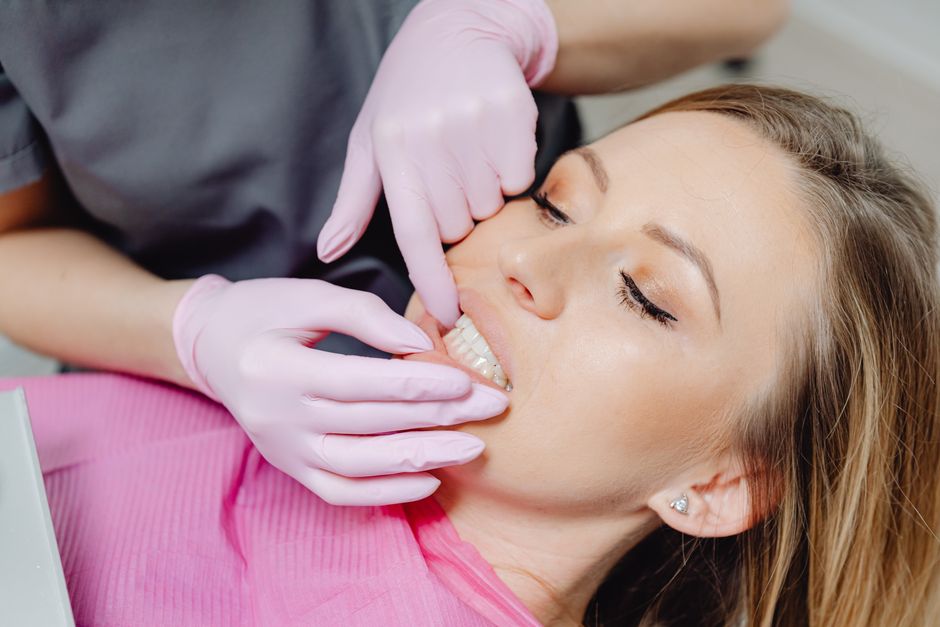
Receding gums cannot grow back on their own. Gum tissue that has been lost does not regenerate naturally. However, you can stop the recession from getting worse and, in some cases, a dentist can surgically restore the tissue. What actually works depends entirely on why your gums receded in the first place.
Why Do Gums Recede in the First Place?
Gum recession happens when the margin of the gum tissue that surrounds the teeth wears away or pulls back. This exposes more of the tooth root. When the root is exposed, you may notice sensitivity to hot or cold foods and drinks.
The most common causes are not mysterious. Aggressive tooth brushing is a leading cause. Brushing with a hard-bristled brush or using too much pressure can wear down the gum line over time. Periodontal disease is the other major cause. This bacterial infection destroys the gum tissue and the bone that holds teeth in place.
Other factors include genetics, teeth grinding, and misaligned teeth. Some people are simply born with thin gum tissue. Others have teeth that sit at an angle that puts extra stress on the gums. Hormonal changes, particularly in women, can also make gums more sensitive and vulnerable to recession.
Can Toothpaste or Home Remedies Regrow Gums?
No. No toothpaste, mouthwash, gel, or herbal remedy has been shown to regrow lost gum tissue in any reliable clinical study. Marketing claims that suggest otherwise are not supported by evidence.
Some products contain ingredients that may reduce inflammation or sensitivity. For example, toothpaste formulated for sensitive teeth can help with the discomfort of exposed roots. But reducing sensitivity is not the same as regrowing tissue. The gum line itself will not move back up the tooth.
Be cautious with natural remedies promoted online. Saltwater rinses can soothe irritated gums and are generally safe. Oil pulling has been studied for oral hygiene, but no quality evidence shows it reverses recession. Applying acidic substances like lemon juice directly to the gums can actually damage tissue further.
How To Make Your Gums Grow Back What Actually Works?
The only way to genuinely restore gum tissue is through surgical procedures performed by a dental professional. These are called gum graft surgeries. During this procedure, a periodontist takes tissue from another part of your mouth, often the palate, and attaches it to the receding area.
There are different types of grafts. A connective tissue graft is the most common. The periodontist creates a flap in the gum, removes tissue from under the flap in the palate, and stitches it to the area where the gum has receded. A free gingival graft uses tissue directly from the surface of the palate. This is often used for people with thin gums.
A newer approach is the pinhole surgical technique. Instead of cutting and stitching, the dentist makes small holes in the gum and uses special instruments to gently loosen and slide the gum tissue down over the exposed root. This procedure has a faster recovery time but requires a skilled clinician.
These procedures have high success rates, but they are not cosmetic luxuries. They are performed to protect the tooth root from decay and to prevent further bone loss. If recession is mild and not progressing, a dentist may recommend monitoring it instead of surgery.




What Can You Do to Stop Recession From Getting Worse?
Even if you cannot regrow gums, you have significant control over whether they continue to recede. The first step is correcting your brushing technique. Use a soft-bristled toothbrush and hold it at a 45-degree angle to the gum line. Use gentle, circular motions rather than sawing back and forth.
Flossing daily removes plaque from between teeth where brushing cannot reach. Plaque buildup leads to gum inflammation, which accelerates recession. An antibacterial mouthwash can help, but it is not a replacement for brushing and flossing.
If you grind your teeth at night, ask your dentist about a night guard. Grinding puts excessive force on teeth and their supporting tissues. A custom-fitted guard creates a barrier between your upper and lower teeth and absorbs that pressure.
See a dentist if you notice any of these signs:
- Teeth that look longer than they used to
- Notches or grooves near the gum line
- Tooth sensitivity
- Bleeding when you brush or floss
- Red, swollen, or tender gums
Does Deep Cleaning Help With Gum Recession?
Deep cleaning, also called scaling and root planing, does not regrow gums. What it does is treat the underlying cause of recession when that cause is periodontal disease. This non-surgical procedure removes plaque and tartar from below the gum line and smooths the tooth root.
Smoothing the root makes it harder for bacteria to attach. It also allows the gums to reattach to the tooth. The gums may appear healthier and less inflamed after the procedure. In some cases, the gum line may improve slightly as swelling goes down. But the actual tissue level that was lost to disease will not return without surgery.
Periodontal disease is progressive. Without treatment, the infection continues to destroy the supporting structures of the teeth. Deep cleaning is the standard first step in managing this condition. If your recession is caused by brushing too hard rather than disease, deep cleaning will not address the problem.
Are There Non-Surgical Treatments That Show Promise?
Research is ongoing into ways to regenerate gum tissue without surgery. Some studies have looked at proteins that stimulate tissue growth, such as enamel matrix derivatives. These are applied to the root surface during surgery to encourage the body to rebuild supporting tissue. They are not standalone treatments.
Platelet-rich fibrin, or PRF, is another area of research. This involves drawing the patient’s blood, processing it to concentrate healing factors, and applying it to the surgical site. Some evidence suggests it may improve healing after gum grafts. The evidence is still developing, and these approaches are used in combination with surgery, not instead of it.
Laser therapy has been marketed for gum treatment. Lasers can remove diseased tissue and bacteria with precision. Some dentists report good results using lasers for gum disease treatment. However, no strong clinical evidence shows that laser treatment alone regenerates gum tissue that has already been lost.
What Happens If You Do Nothing?
Untreated gum recession does not stay the same. In most cases, it gradually worsens. As more of the tooth root becomes exposed, you may develop sensitivity that makes eating and drinking uncomfortable.
Exposed roots are softer than enamel and more vulnerable to decay. Cavities can form on the root surface, which are more difficult to treat than cavities on the crown of the tooth. In advanced cases, recession can lead to bone loss around the tooth. When the supporting bone is gone, the tooth may become loose and eventually require extraction.
The timeline varies from person to person. Some people experience very slow recession over decades. Others see rapid changes over a few years, especially if periodontal disease is active. Regular dental checkups are the only way to know what is happening beneath the surface.
When Should You See a Periodontist?
A periodontist is a dentist who specializes in the prevention, diagnosis, and treatment of gum disease. Your general dentist may refer you to one if your recession is advanced or if you have significant bone loss.
You should ask for a referral if you have visible recession that continues to worsen despite good oral hygiene. You should also seek a specialist opinion if you have deep pockets between your gums and teeth that a general dentist cannot manage with routine cleanings.
Surgical treatment is most successful when recession is caught early. Waiting until the tooth is loose or painful limits the options available. A periodontist can measure your gum pockets, assess bone levels, and recommend the appropriate treatment for your specific situation.
Frequently Asked Questions
Can gums grow back naturally?
No, gum tissue does not regenerate on its own once it has been lost. Only surgical procedures can restore gum tissue to its original position.
Does coconut oil pulling regrow gums?
No clinical evidence shows that oil pulling regrows gum tissue. It may reduce bacteria in the mouth, but it cannot reverse recession.
How much does a gum graft cost?
Costs vary widely by location and the complexity of the procedure, and insurance coverage differs between plans. Your periodontist can provide an accurate estimate after a full examination.
Is gum graft surgery painful?
You will receive local anesthesia during the procedure so you will not feel pain during surgery. Most people manage post-operative discomfort with over-the-counter pain relievers for a few days.
