
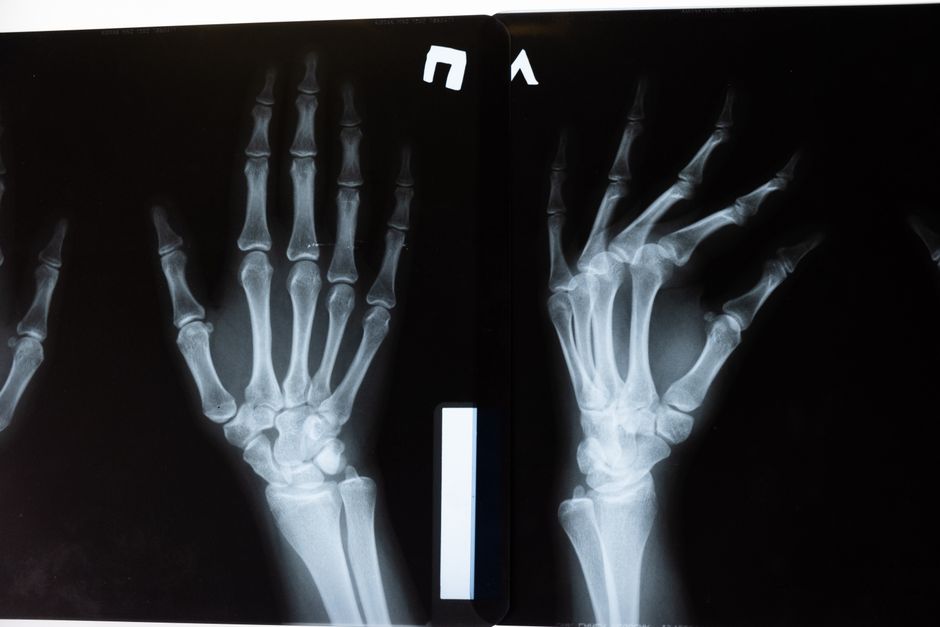
Bone density loss is not a one-way street. Your skeleton is living tissue that constantly breaks down and rebuilds itself. When you are young, the rebuilding outpaces the breakdown. After about age 30, that balance shifts, and most people slowly lose more bone than they gain. The good news is that the body can still add bone at any age if given the right stimulus. The most effective approach combines targeted resistance exercise, adequate protein, and specific nutrients like calcium and vitamin D. For people with diagnosed osteoporosis, medication is often necessary alongside lifestyle changes, and the evidence for that combination is strong.
Why Bone Density Declines and What That Means for You
Bone is not a static structure like a rock. It is a dynamic organ with cells that constantly remodel it. Osteoclasts are cells that break down old bone. Osteoblasts are cells that build new bone. This process is called remodeling, and it is how your skeleton repairs micro-damage and adapts to stress.
After peak bone mass is reached, usually in the late 20s, the balance tips. Hormonal changes accelerate this shift, particularly the drop in estrogen after menopause for women. Men lose bone more gradually due to a slower decline in testosterone. The result is the same: bones become thinner and more porous over time.
This matters because thinner bones break more easily. A hip fracture in an older adult is a serious event that can lead to loss of independence. Understanding that bone loss is not inevitable at any fixed rate is the first step. The rate of loss is influenced by genetics, but lifestyle factors have a real impact on how fast or slow that process goes.
How To Restore Bone Density What Actually Works
The single most effective non-drug intervention for building bone is mechanical loading through exercise. Bones respond to physical stress by getting stronger, just like muscles do. The key is that not all exercise creates the right kind of stress.
Weight-bearing aerobic exercise like walking is good for your heart, but it has a limited effect on bone density. The forces generated by walking are relatively low. To stimulate new bone formation, you need higher-impact or higher-load activities. This means resistance training with weights or exercises that use your own body weight against gravity in a challenging way.
The principle is called progressive overload. You must continually increase the load or difficulty over time to keep challenging your bones. Lifting the same 5-pound dumbbell for years will not build bone past a certain point. The bone adapts to the current load and stops responding.
Research consistently shows that programs combining heavy resistance training with impact activities like jumping produce the best results for bone density. Squats, deadlifts, lunges, and presses that load the spine and hips are particularly relevant because those are the sites of most osteoporotic fractures.
The Role of Protein in Bone Health
Bone is about 50 percent protein by volume. Collagen forms the framework that holds calcium and other minerals. Without enough dietary protein, the body cannot maintain that framework, regardless of how much calcium you consume.
Many older adults eat less protein than they need. The current recommended dietary allowance for protein is 0.8 grams per kilogram of body weight per day. However, some research suggests that older adults may benefit from higher intakes, around 1.0 to 1.2 grams per kilogram, to support muscle and bone health. This is not a precise clinical cutoff, but a reasonable target discussed in the literature.
Spreading protein intake across meals matters more than one large serving at dinner. Each meal should contain a moderate amount of protein, roughly 25 to 30 grams, to maximally stimulate muscle and bone maintenance. This is a practical pattern that most people can adopt without special supplements.





Calcium and Vitamin D: The Critical Minerals
Calcium is the primary mineral in bone, and vitamin D is required for the body to absorb calcium from the gut. Without adequate vitamin D, calcium supplements are largely ineffective because the calcium passes through the digestive tract without being absorbed.
For adults, the general recommendation is about 1,000 to 1,200 milligrams of calcium per day from all sources. Food sources are preferred. Dairy products, fortified plant milks, leafy greens like kale, and canned fish with bones are all good options. Most people can meet their needs through diet alone.
Vitamin D recommendations vary, but a common target is 600 to 800 international units per day for adults. Many people are deficient, especially in northern climates with less sun exposure. A blood test can measure your vitamin D level, and supplementation is appropriate when levels are low. The upper safe limit for daily vitamin D intake is generally considered 4,000 international units, though toxicity is rare at lower doses.
One clarification worth making: calcium supplements have been debated in recent years due to some studies suggesting a possible link to cardiovascular events. The evidence is not conclusive, and most experts agree that getting calcium from food is preferable. If you do take supplements, split the dose throughout the day because the body absorbs calcium better in smaller amounts.
Medications for Diagnosed Osteoporosis
If a bone density scan shows osteoporosis, defined as a T-score of -2.5 or lower, lifestyle changes alone are usually not enough. Medications are the standard of care because they have been proven in large clinical trials to reduce fracture risk significantly.
Bisphosphonates are the most commonly prescribed class of drugs for osteoporosis. They work by slowing down the cells that break down bone, which tilts the balance toward bone formation. Examples include alendronate, risedronate, and zoledronic acid. These drugs have been studied extensively and consistently reduce the risk of vertebral and hip fractures.
Newer medications like denosumab work through a different pathway but achieve similar results. Teriparatide and romosozumab are anabolic agents that actually stimulate new bone formation rather than just slowing breakdown. These are typically reserved for people with severe osteoporosis or those who have fractured while on other treatments.
All medications have side effects and risks. The decision to start treatment should be made with a doctor based on your individual fracture risk, not just your T-score alone. Tools like the FRAX score calculate 10-year fracture probability and help guide these decisions.
Lifestyle Factors That Undermine Bone Health
Some habits quietly accelerate bone loss. Smoking is directly toxic to bone cells and is associated with lower bone density. The evidence here is strong and consistent. Quitting smoking at any age improves many health outcomes, including bone health.
Excessive alcohol intake interferes with calcium absorption and disrupts the hormones involved in bone remodeling. The general guidance is to limit alcohol to no more than one drink per day for women and two for men. Heavy drinking is clearly associated with increased fracture risk.
Being underweight is also a risk factor for low bone density. Fat tissue produces estrogen, and very low body weight means lower estrogen levels. This is one reason eating disorders are associated with osteoporosis even in young people.
Corticosteroid medications like prednisone are another major cause of bone loss when used long-term. If you take these drugs, your doctor should be monitoring your bone health. The bone loss from steroids can be rapid and severe.
What About Supplements Beyond Calcium and Vitamin D?
The supplement market is full of products claiming to support bone health. Most have little to no evidence behind them. Magnesium, vitamin K2, strontium, and various herbal extracts are commonly marketed for bones, but the clinical evidence is limited.
Magnesium is involved in bone structure, but magnesium deficiency is uncommon in people eating a varied diet. Vitamin K2 plays a role in directing calcium to bones, but large human trials have not confirmed that supplementation prevents fractures. Strontium ranelate was used as a medication in some countries but is not approved in the United States due to cardiovascular safety concerns.
No supplement has been shown to restore bone density to the degree that prescription medications do. If a product promises dramatic bone regrowth, that claim is not supported by evidence. The most honest position is that supplements beyond calcium and vitamin D have not been proven to meaningfully improve bone density in well-designed studies.
How Long Does It Take To See Results?
Bone remodeling is a slow process. The entire cycle takes about three to six months, and measurable changes in bone density take longer to appear. Most clinical trials that show improvements in bone density run for at least one to two years.
With consistent exercise and adequate nutrition, you may see modest gains in bone density over a year or more. The more important outcome is fracture prevention, which can be improved even without large changes in measured bone density. Stronger muscles and better balance reduce falls, and falls are what cause most fractures.
It is never too late to start. Even people in their 70s and 80s can improve their bone density and reduce their fracture risk with appropriate interventions. The magnitude of improvement may be smaller than in younger people, but the clinical benefit is real.
Monitoring Your Progress
Bone density is measured with a DXA scan, which stands for dual-energy X-ray absorptiometry. This test provides a T-score that compares your bone density to that of a healthy young adult. A T-score of -1.0 or above is normal. Between -1.0 and -2.5 indicates osteopenia, or low bone mass. A T-score of -2.5 or below indicates osteoporosis.
Repeat scans are typically done every one to two years for people on medication, and less frequently for those making lifestyle changes. The interval depends on your individual risk and what treatments you are taking. Your doctor will determine the right schedule for you.
Remember that a DXA scan measures density, not bone quality. Bone quality includes the microarchitecture of the bone, which is not captured by density measurements. This is why some people with osteopenia still fracture, while others with osteoporosis never do. The scan is a useful tool, but it is not the whole story.
Frequently Asked Questions
Can bone density be restored naturally without medication?
Yes, but the degree of restoration depends on how much bone you have lost. Weight-bearing exercise, adequate protein, and sufficient calcium and vitamin D can increase bone density modestly, but medications are usually needed for diagnosed osteoporosis to meaningfully reduce fracture risk.
What is the fastest way to increase bone density?
Progressive resistance training with weights is the fastest non-drug method, particularly exercises that load the hips and spine. For people with osteoporosis, anabolic medications like teriparatide stimulate new bone formation more rapidly than any lifestyle intervention.
Is walking enough to improve bone density?
No. Walking provides too little mechanical loading to stimulate significant bone formation. Higher-impact activities or resistance training with progressive overload are necessary to challenge the bone and trigger adaptation.
How often should I lift weights to build bone?
Two to three sessions per week is generally sufficient, with at least one day of rest between sessions for the same muscle groups. Consistency over months and years matters more than intensity in any single workout.
