
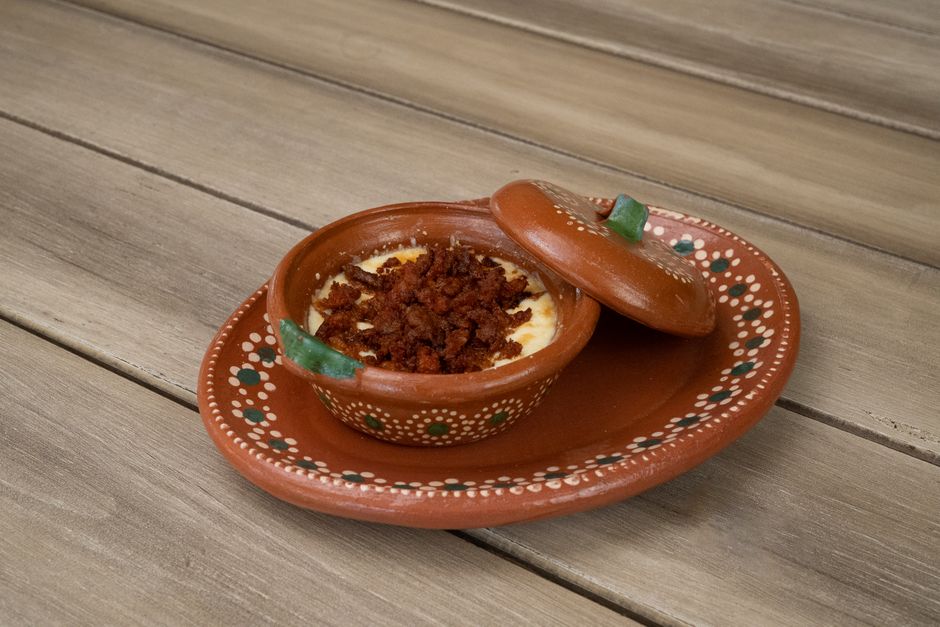
Making white queso at home is simpler than most people think. You need three things: real American cheese (white), evaporated milk, and a small amount of a liquid acid like pickled jalapeño juice or white vinegar. Melt the cheese with the milk over low heat, stir in the acid, and you get a smooth, creamy dip that stays liquid instead of turning into a solid brick. That is the basic method. The rest is about getting the texture right and avoiding the common mistakes that turn your queso into a grainy mess.
What Is White Queso and Why Is It So Tricky?
White queso is a melted cheese dip popular in Tex-Mex restaurants. It is different from yellow queso because it uses white American cheese instead of yellow cheddar. The color comes from the cheese itself, not from added spices like turmeric or annatto.
The tricky part is that cheese is an emulsion of fat, water, and protein. When you heat cheese too fast or too high, the protein bonds break and the fat separates. That is what causes the grainy, oily mess people call “broken” queso. The goal is to keep the emulsion stable while the cheese melts.
Real white American cheese from the deli counter works best. Pre-shredded bagged cheese has anti-caking agents like cellulose that prevent smooth melting. If you use shredded cheese from a bag, your queso will likely turn out gritty. Buy a block and shred it yourself or just slice it thin before melting.
How To Make White Queso That Stays Smooth
The standard method works but has one problem. White American cheese contains sodium citrate, which is a natural emulsifier. That helps, but it is not enough on its own to keep the queso smooth after it cools.
Research from food scientists at the University of Wisconsin shows that adding a small amount of a liquid acid — about one teaspoon per pound of cheese — improves the emulsion stability significantly. The acid changes the protein structure just enough to prevent the cheese from tightening up as it cools. This is why restaurant queso stays creamy even after sitting out.
Here is the reliable method:
- Dice 1 pound of white American cheese into small cubes
- Heat 1 cup of evaporated milk in a saucepan over medium-low heat
- Add the cheese gradually while stirring constantly
- Once fully melted, stir in 1 teaspoon of pickled jalapeño juice
- Keep the heat low and never let it boil
The evaporated milk is key. It has more protein and less water than regular milk. That extra protein helps stabilize the emulsion. Regular milk works in a pinch but the queso will be thinner and more likely to separate when reheated.
Does Adding Sodium Citrate Make White Queso Better?
Sodium citrate is the same emulsifying salt used in processed cheese. You can buy it online or at specialty cooking stores. Adding a small amount — about half a teaspoon per pound of cheese — can make your queso nearly foolproof.
Some studies suggest that sodium citrate helps cheese melt at lower temperatures and stay smooth for longer. The mechanism is straightforward. Sodium citrate binds to calcium in the cheese protein, which prevents the protein from clumping together. Without clumping, the fat stays suspended in the liquid and the queso remains creamy.
But you do not need sodium citrate if you use the right cheese and the acid trick. White American cheese already contains some emulsifiers. The pickled jalapeño juice provides enough acid to keep the emulsion stable. Sodium citrate is a safety net, not a requirement.
If you cannot find white American cheese, you can use a mix of Monterey Jack and a small amount of cream cheese. Monterey Jack melts well but lacks emulsifiers. Adding two ounces of cream cheese per pound of Monterey Jack helps stabilize the melt. The acid trick still applies here.





What Are the Most Common White Queso Mistakes?
The biggest mistake is using high heat. Cheese proteins denature at around 150°F. Once they denature, they cannot re-form a stable emulsion. If your queso starts to bubble or steam, the heat is too high. Turn it down immediately.
Another common error is adding cold liquid to hot cheese. If you need to thin your queso, warm the milk or water first. Cold liquid shocks the protein and causes separation. This is why leftover queso often breaks when you reheat it in the microwave on high power.
A third mistake is using pre-shredded cheese from a bag. The anti-caking coatings prevent the cheese from melting into a smooth liquid. Even if you manage to melt it, the texture will be slightly gritty. Shred your own cheese or buy it sliced at the deli counter.
Here is a quick comparison of common cheese choices:
| Cheese Type | Melting Quality | Emulsion Stability | Best Use |
|---|---|---|---|
| White American (deli block) | Excellent | High | Classic queso |
| Monterey Jack | Good | Medium | Needs cream cheese added |
| White Cheddar | Fair | Low | Not recommended alone |
| Pre-shredded blend | Poor | Low | Avoid for smooth queso |
How To Make White Queso Spicier or Milder Without Breaking It
You can adjust the heat level without ruining the texture. The key is to add spicy ingredients that are already in liquid form or finely minced. Diced fresh jalapeños work because they release moisture during cooking. Dried chili flakes can cause graininess because they absorb liquid and create dry spots.
For a spicier queso, add one tablespoon of diced pickled jalapeños along with the juice. The pickling liquid already contains vinegar, which helps the emulsion. For a milder version, use only the cheese and evaporated milk with no acid. The queso will be slightly thicker but still smooth.
Some people report success adding canned green chiles. The liquid in canned chiles is mostly water, so it will thin the queso slightly. If you want a thicker queso with green chiles, drain them first and pat them dry with a paper towel before stirring in.
Cream cheese is another option for adjusting texture. Adding two tablespoons of cream cheese per pound of cheese makes the queso thicker and richer. It also adds a slight tang that some people prefer. Cream cheese melts well at low temperatures and does not break the emulsion.
How To Store and Reheat White Queso Without It Separating
White queso thickens as it cools. That is normal. The protein structure tightens up at room temperature and even more in the refrigerator. The goal during reheating is to loosen the protein without breaking the fat emulsion.
Store leftover queso in an airtight container in the refrigerator. It will keep for up to five days. Do not freeze queso. Freezing destroys the emulsion completely. Thawed queso will be grainy and oily no matter how carefully you reheat it.
To reheat, use a double boiler or a saucepan over very low heat. Add a tablespoon of evaporated milk or water for every cup of queso. Stir constantly until the queso returns to a smooth liquid. Do not use a microwave on full power. If you must use a microwave, use 50% power and stir every 15 seconds.
The acid trick helps here too. If your reheated queso looks slightly separated, stir in half a teaspoon of pickled jalapeño juice. The acid can sometimes re-stabilize a mildly broken emulsion. It is not guaranteed, but it works often enough to be worth trying.
Frequently Asked Questions
Can I use Velveeta to make white queso?
Yes, Velveeta melts smoothly because it contains sodium citrate. The flavor is milder than white American cheese and the texture is slightly softer.
Why did my white queso turn out grainy?
Grainy queso usually means the heat was too high or the cheese was pre-shredded. Low heat and block cheese prevent this problem.
Can I make white queso without evaporated milk?
Yes, use whole milk or half-and-half instead. The queso will be thinner and more likely to separate when reheated.
How do I keep white queso warm for a party?
Use a slow cooker on the warm setting. Stir every 20 minutes and add a splash of evaporated milk if it thickens too much.
