
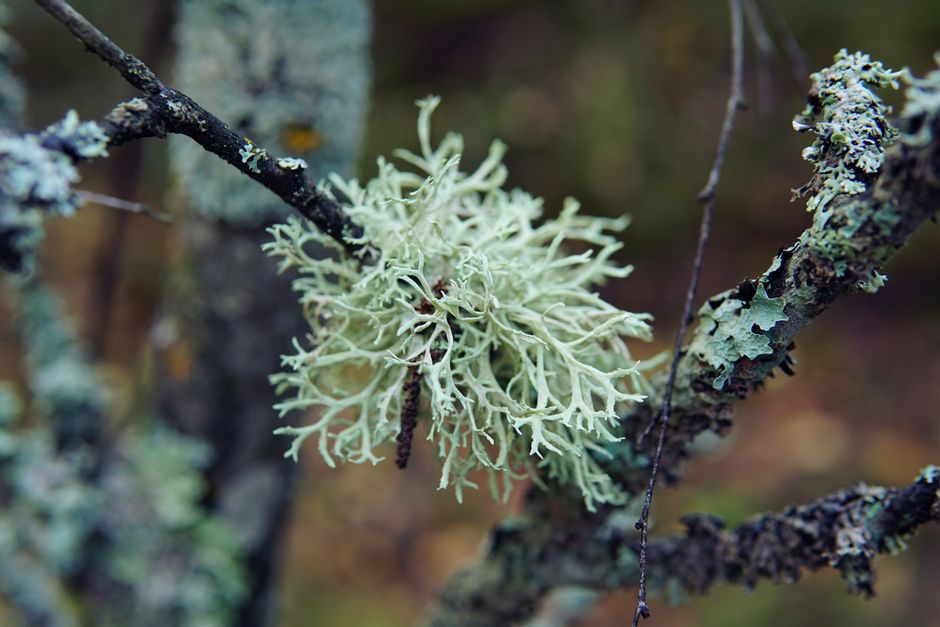
Usnea is a lichen, not a moss, and it has been used in traditional medicine for centuries. People primarily use it as a tea or decoction for respiratory complaints like sore throats and coughs. Making usnea tea is straightforward, but understanding its uses and safety profile is essential before you drink it.
What Is Usnea and Why Do People Use It?
Usnea is a gray-green, branching lichen that hangs from tree branches, especially in old-growth forests. It is often called “old man’s beard.” It contains a compound called usnic acid, which is the main reason it has drawn scientific interest.
Usnic acid shows antimicrobial activity in laboratory studies. This means it can stop or slow the growth of certain bacteria and fungi in a petri dish. That laboratory finding is the foundation for most of usnea’s traditional use as a topical antiseptic and as a tea for throat and lung issues.
Traditional use is not the same as proven clinical benefit. No large human trials have confirmed that drinking usnea tea cures infections. The evidence is largely based on laboratory studies and historical practice.
How To Make Usnea Tea Decoction
Usnea is tough and woody, so a standard steep like a black tea bag will not extract the active compounds effectively. A decoction is the correct method. This involves simmering the lichen in water for a longer period.
Here is the standard method used in herbal practice:
- Use about 1 to 2 teaspoons of dried, chopped usnea per cup of water.
- Place the usnea and water in a small pot.
- Bring the water to a boil, then reduce the heat to a low simmer.
- Cover and simmer for 15 to 20 minutes.
- Strain the liquid through a fine mesh strainer or cheesecloth.
- Drink warm, or add honey and lemon to improve the taste.
The taste is often described as earthy and slightly bitter. If you are using freshly harvested usnea, you must clean it thoroughly to remove debris and insects. Dried usnea is generally easier to work with.
Some herbalists recommend a longer simmer of up to 30 minutes for a stronger extraction. You can also make a double decoction by simmering, straining, and then simmering the same usnea again in fresh water. This is a common practice for tough roots and barks, but it is not necessary for usnea.
How To Identify Usnea Safely
Correct identification is the most critical safety step. Several lichens look similar to usnea but are not the same. Harvesting the wrong lichen can be harmful.
Usnea has a distinct elastic core. When you gently stretch a strand of usnea, the white, stringy inner core is visible and stretches like a rubber band. If the strand snaps cleanly, it is likely a different lichen and should not be used.
Usnea grows on trees, typically on branches and trunks. It prefers clean air and is less common in polluted or urban areas. Harvest only from living trees, not from dead or fallen wood, where the lichen may be degraded.
If you are not completely certain about your identification, do not harvest it. Purchase dried usnea from a reputable herbal supplier instead. Misidentification is the most common cause of adverse reactions to wild-harvested lichens.





What Are the Documented Uses of Usnea?
Usnea has a long history in traditional medicine systems across Europe, Asia, and North America. The most common traditional uses include treating sore throats, coughs, and other respiratory conditions. It has also been applied topically to minor wounds and skin infections.
The antimicrobial activity of usnic acid is the most studied aspect of usnea. Some research suggests it may be active against certain strains of bacteria, including some that are resistant to common antibiotics. However, this research is primarily laboratory-based. It does not mean that drinking usnea tea will treat a bacterial infection in your body.
Some herbalists recommend usnea tea as a supportive remedy during colds and flu. It is also used as a mouthwash or gargle for oral health. The evidence for these uses is largely traditional and anecdotal, not clinical.
There is no established clinical guideline for using usnea to treat any specific condition. If you have a respiratory infection, especially one with a high fever or difficulty breathing, you should see a healthcare provider. Do not rely on usnea tea as a primary treatment.
What Are the Safety Risks of Usnea Tea?
Usnea is generally considered safe for short-term use in small amounts, but it is not without risks. The primary concern is usnic acid and its effect on the liver.
There have been case reports of liver injury associated with usnic acid supplements. These cases involved concentrated usnic acid products, not tea made from the whole lichen. However, the risk cannot be completely dismissed for any form of usnea.
People with existing liver disease should not use usnea in any form. This includes conditions like hepatitis, fatty liver disease, or cirrhosis. If you take medications that are processed by the liver, you should also avoid usnea unless you have discussed it with your doctor.
Other potential side effects include stomach upset and nausea. These are more likely with higher doses or stronger decoctions. Start with a small amount to see how your body responds.
Pregnant and breastfeeding women should not use usnea. No clinical guidelines exist for this population, and the potential risk to the fetus or infant is unknown. The absence of evidence is not evidence of safety.
Can Usnea Interact With Medications?
Yes, usnea has the potential to interact with certain medications. The main concern is its effect on liver enzymes. These enzymes are responsible for breaking down many drugs in your body.
If usnea changes how these enzymes work, it could affect how quickly your medications are processed. This could make a medication either too strong or not strong enough. The exact interactions are not well studied in humans, so caution is warranted.
Medications that are processed by the liver include many common drugs, such as certain statins for cholesterol, blood thinners, and some antidepressants. This list is not complete. If you take any prescription medication, talk to your pharmacist or doctor before using usnea tea.
Because the interaction data is limited, the safest approach is to avoid usnea entirely if you take regular medications. The potential benefit of usnea tea for a minor ailment is unlikely to outweigh the risk of a drug interaction.
How Much Usnea Tea Is Safe to Drink?
There is no standardized clinical dose for usnea tea. Herbal traditions vary widely in their recommendations. Most sources suggest one to three cups per day for short periods, typically no longer than a week or two.
Long-term use is not recommended. The safety of usnea over months or years has not been studied. The liver risk associated with usnic acid makes prolonged use a genuine concern.
If you choose to drink usnea tea, use it only for short-term, minor issues. Stop using it if you experience nausea, stomach pain, dark urine, or yellowing of your skin or eyes. These could be signs of liver irritation and require immediate medical attention.
Frequently Asked Questions
Can you drink usnea tea every day?
Short-term use of one to three cups daily for up to two weeks is how usnea is traditionally used. Long-term daily use is not recommended because the safety of prolonged usnic acid exposure has not been established.
Is usnea tea safe for children?
No clinical guidelines exist for usnea use in children. Because of the potential liver risk and the lack of safety data, usnea tea should not be given to children.
What does usnea tea taste like?
Usnea tea has an earthy, slightly bitter, and woody flavor. Adding honey and lemon can make it more palatable.
Can usnea tea cure a bacterial infection?
No clinical evidence confirms that drinking usnea tea can cure a bacterial infection in humans. Laboratory studies show usnic acid has antimicrobial properties, but this does not translate to proven effectiveness when consumed as a tea.
