
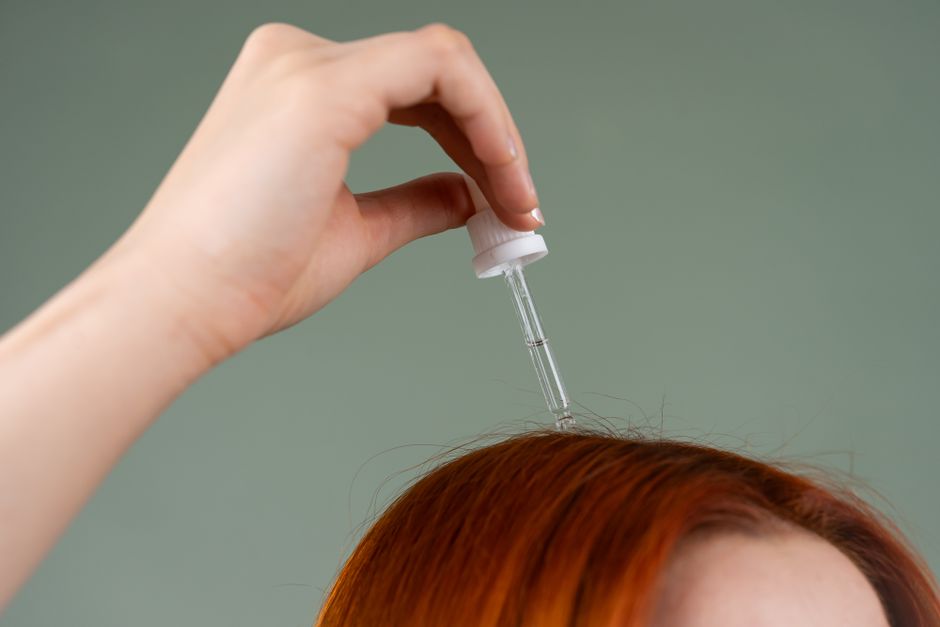
Turmeric oil is a simple blend of turmeric powder and a carrier oil, like coconut or jojoba oil. You can make it at home in about 15 minutes by warming the oil and infusing it with turmeric. While turmeric has known anti-inflammatory properties, the clinical evidence that it directly grows hair is still limited, so it is best viewed as a scalp health treatment rather than a proven growth stimulant.
Does Turmeric Actually Help Hair Growth?
Research consistently shows that turmeric contains curcumin, a compound with strong anti-inflammatory and antioxidant effects. These properties matter for hair because inflammation around the hair follicle can contribute to hair thinning and shedding. By calming that inflammation, turmeric may create a healthier environment for hair to grow.
However, no large human trials have confirmed that turmeric directly stimulates new hair growth. Some laboratory studies suggest curcumin may influence certain pathways involved in hair cycling, but this has not translated into clear clinical evidence. Be honest with yourself about what this oil can do: it may support scalp health, but it is not a proven cure for pattern baldness or significant hair loss.
What You Need To Make Turmeric Oil At Home
The ingredients are simple and likely already in your kitchen. You need high-quality turmeric powder and a carrier oil. The carrier oil matters because turmeric is fat-soluble, meaning it needs oil to be absorbed effectively.
- Carrier oil: Coconut oil, jojoba oil, or sweet almond oil all work well. Coconut oil is the most common choice because it penetrates the hair shaft and has its own conditioning benefits.
- Turmeric powder: Use culinary-grade turmeric, not a supplement capsule. Fresh turmeric root also works if you can find it.
- Optional: A few drops of an essential oil like peppermint or lavender for scent. Turmeric has a strong earthy smell that some people find unpleasant.
How To Make Turmeric Oil For Hair Growth At Home
This method uses gentle heat to help the curcumin infuse into the oil. The process takes about 15 to 20 minutes of active time.
Step 1: Measure one cup of your carrier oil and pour it into a small saucepan or double boiler. A double boiler is better because it prevents the oil from getting too hot.
Step 2: Add one to two tablespoons of turmeric powder to the oil. Stir well to combine.
Step 3: Warm the mixture over low heat for 10 to 15 minutes. Do not let it boil. The oil should be warm to the touch but not hot. Boiling can degrade the beneficial compounds in both the turmeric and the carrier oil.
Step 4: Remove from heat and let the mixture cool completely. Once cool, strain the oil through a fine mesh strainer or cheesecloth to remove the turmeric particles.
Step 5: Pour the strained oil into a clean glass bottle or jar. Store it in a cool, dark place. The oil should stay fresh for about one month.





How To Apply Turmeric Oil To Your Scalp
Application is straightforward, but consistency matters more than quantity. You only need a small amount of oil to cover your scalp.
Warm a teaspoon of oil between your palms and massage it directly into your scalp using your fingertips. Use small circular motions. This massage also increases blood flow to the scalp, which may support hair follicle health on its own.
Leave the oil on for at least 30 minutes. Some people leave it on overnight, but that is optional. Wash it out with a gentle shampoo. You may need to shampoo twice to fully remove the oil, especially if you used coconut oil.
Use the oil two to three times per week. More frequent use does not necessarily produce better results and may leave your hair feeling heavy or greasy.
What The Research Actually Shows
The evidence for turmeric and hair health is promising but preliminary. Some studies indicate that curcumin can inhibit the action of certain inflammatory molecules that may contribute to hair loss conditions like alopecia areata. Other research suggests turmeric may support wound healing, which could theoretically help a damaged scalp.
There is also some interest in turmeric as a possible treatment for dandruff and scalp psoriasis. Both conditions involve inflammation and flaking, and turmeric’s anti-inflammatory effects may help reduce symptoms. However, most of this evidence comes from small studies or animal research, not large human trials.
One important limitation is that curcumin has poor bioavailability. This means that even when you apply it to your scalp, very little may actually penetrate the skin and reach the hair follicles. Some research suggests that combining turmeric with black pepper or piperine improves absorption, but this has not been specifically studied for topical scalp application.
Risks And Side Effects To Know
Turmeric oil is generally safe for most people, but there are some important cautions. The most common issue is staining. Turmeric is a potent yellow dye and will temporarily color your skin, nails, and hair. This fades within a day or two but can be surprising the first time.
Some people may experience skin irritation or an allergic reaction. Before applying turmeric oil to your scalp, do a patch test. Apply a small amount to the inside of your wrist and wait 24 hours. If you develop redness, itching, or swelling, do not use the oil on your scalp.
If you have a known allergy to turmeric or to any of the carrier oils, avoid this remedy entirely. Pregnant or breastfeeding women should consult their healthcare provider before using turmeric oil, as the safety of topical turmeric in these populations has not been well studied.
Other Proven Ways To Support Hair Growth
Turmeric oil may help your scalp, but it should not replace treatments with stronger evidence. If you are concerned about hair thinning or hair loss, focus on approaches that have better clinical support.
Minoxidil is the most widely studied over-the-counter treatment for hair loss. It is FDA-approved and has consistently been shown to slow hair loss and promote regrowth in some people. It is available as a foam or liquid applied directly to the scalp.
Diet and nutrition also matter. Iron deficiency, low vitamin D, and insufficient protein are all associated with hair thinning. If you suspect a deficiency, ask your doctor for a blood test rather than guessing with supplements.
Gentle hair care is underrated. Tight hairstyles, heat styling, and harsh chemical treatments can damage hair and contribute to breakage. Reducing these stressors may help your hair look and feel healthier.
When To See A Doctor About Hair Loss
Some hair shedding is normal. Most people lose 50 to 100 hairs per day. But if you notice sudden or patchy hair loss, or if your hair is thinning noticeably, it is worth seeing a doctor.
A primary care physician or dermatologist can evaluate your scalp, review your medical history, and order blood tests to check for underlying causes. Thyroid disorders, hormonal changes, and autoimmune conditions can all cause hair loss and require different treatments.
Do not delay a medical evaluation while trying home remedies. Early treatment often produces better outcomes for many types of hair loss. Turmeric oil can be part of your routine, but it should not be your only strategy if you are experiencing significant shedding.
Frequently Asked Questions
How long does homemade turmeric oil last?
Homemade turmeric oil stays fresh for about one month when stored in a cool, dark place in a sealed glass container. If it develops an off smell or visible mold, discard it immediately.
Can turmeric oil stain my hair and skin?
Yes, turmeric is a strong natural dye and will temporarily tint your skin and light hair yellow. The stain usually fades within a day or two with normal washing.
How often should I use turmeric oil on my scalp?
Two to three times per week is a reasonable frequency for most people. Using it more often does not increase effectiveness and may leave hair greasy or heavy.
Is turmeric oil safe for all hair types?
Turmeric oil is generally safe for all hair types, but people with sensitive skin should do a patch test first. If you have an allergy to turmeric or the carrier oil, do not use it.
