
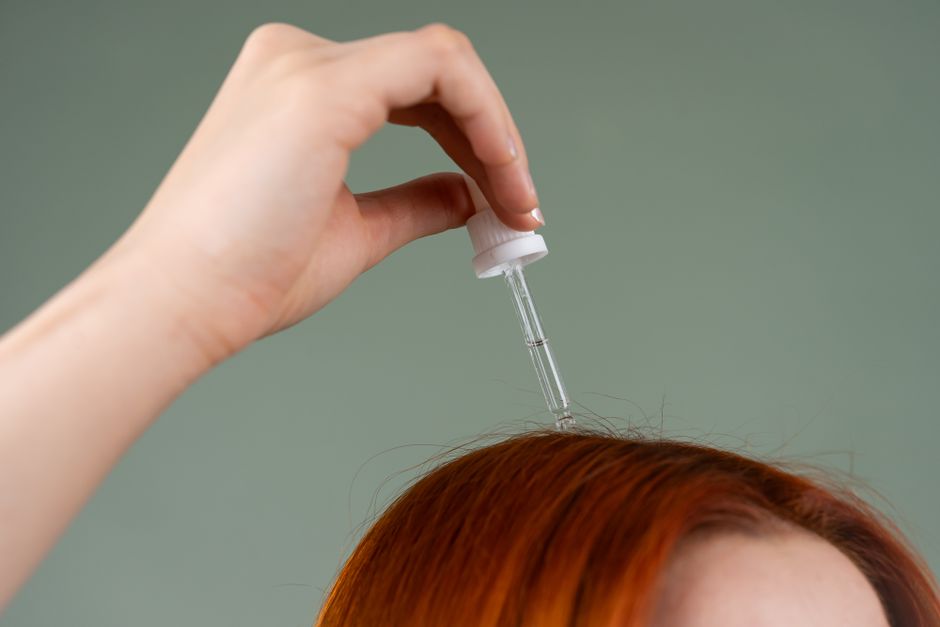
Castor oil is widely promoted as a natural hair growth remedy, but the scientific evidence behind it is thin. The honest answer is that no large, well-controlled human studies have confirmed that castor oil can regrow hair or speed up growth. While it has some properties that may benefit the scalp and hair strands, the marketing claims far outpace the current research.
Why Do People Believe Castor Oil Promotes Hair Growth?
The belief comes from the oil’s main ingredient: ricinoleic acid. This fatty acid makes up about 90 percent of castor oil. Some research suggests ricinoleic acid may have anti-inflammatory properties. In theory, reducing scalp inflammation could create a better environment for hair follicles.
Another theory involves prostaglandins. Some studies in animals have suggested that castor oil might influence these hormone-like compounds, which play a role in hair growth. But this research was done on animals, not humans. The results cannot be directly applied to human hair loss.
The reputation also comes from anecdotal reports. Many people swear castor oil thickened their eyebrows or eyelashes or filled in a thinning patch. These personal stories are real, but they are not evidence. They cannot tell us whether the oil worked or whether the hair would have grown back on its own.
What Does the Research Actually Show?
No clinical trials have tested castor oil for hair growth in humans. The evidence is limited to laboratory studies and animal research.
One laboratory study found that ricinoleic acid stimulated hair growth in mouse skin cells. This is promising in a petri dish, but cells in a dish behave differently than cells in a living scalp. The same study has not been replicated in humans.
Research published in the Journal of Cosmetic Science examined castor oil as a component in hair care products. The study focused on the oil’s ability to coat and condition the hair shaft, not on stimulating follicles to produce new hair.
The distinction matters. Conditioning the hair you already have is not the same as growing new hair. Castor oil may make existing strands look shinier and feel smoother. That visual improvement can be mistaken for actual growth.
What Castor Oil Can and Cannot Do for Your Hair
Castor oil has some genuine benefits, but they are modest. It is a thick, heavy oil that seals moisture into the hair shaft. For people with dry, brittle hair, this can reduce breakage. Less breakage means the hair retains more of its length over time.
This is not the same as new growth. The follicle still produces hair at its natural rate, which is typically about half an inch per month. Castor oil does not speed up that process based on current evidence.
The oil may also help the scalp. Its anti-inflammatory properties could soothe an irritated, flaky scalp. A healthier scalp is a better environment for hair, but no study has directly linked castor oil application to increased follicle activity in humans.
One thing castor oil cannot do is address hormonal hair loss. Pattern baldness is driven by genetics and hormones, specifically dihydrotestosterone. No topical oil can change that hormonal signal. If you are losing hair due to male or female pattern baldness, castor oil will not stop it.





How to Use Castor Oil Safely
If you want to try castor oil, it is generally safe for most people. The main risk is skin irritation. Because the oil is thick and sticky, it is often diluted with a lighter carrier oil like jojoba, argan, or coconut oil.
A common approach is to mix a few drops of castor oil with a carrier oil and massage it into the scalp. Leave it on for 30 minutes to an hour before washing it out. Leaving it on overnight is not necessary and may increase the risk of clogged hair follicles.
Do a patch test first. Apply a small amount to the inside of your wrist and wait 24 hours. If you see redness, itching, or swelling, do not use it on your scalp.
Avoid getting castor oil in your eyes. It can cause significant irritation. If you are using it on eyebrows or eyelashes, apply it carefully with a clean applicator and keep it away from the eye surface.
There is no established clinical dose for castor oil for hair growth. No guidelines exist because no trials have been done. Use small amounts and stop if you notice any adverse reaction.
What Works for Hair Growth According to Evidence
If your goal is genuine hair growth, the evidence points to other options.
Minoxidil, sold under the brand name Rogaine, is the most studied topical treatment. It is FDA-approved for hair loss and works for many people. It is available over the counter and applied directly to the scalp twice daily. Results take several months and the treatment must be continued to maintain results.
Finasteride, sold as Propecia, is an oral prescription medication for male pattern baldness. It works by blocking the conversion of testosterone to dihydrotestosterone. It is not approved for use in women, especially those who may become pregnant.
Low-level laser therapy is another option. Some studies suggest it may stimulate hair follicles and improve hair density. Devices like laser combs and caps are FDA-cleared for this purpose.
These treatments have clinical evidence behind them. They do not work for everyone, but they have been tested in human trials. Castor oil has not.
Should You Use Castor Oil for Hair Growth?
You can use it, but know what you are getting. It is a good conditioner and may improve the appearance of your hair. It may reduce breakage. It might even help an irritated scalp.
It will not regrow hair that has been lost to pattern baldness. It will not speed up the natural growth cycle. No study has confirmed that it can do either of those things.
If you are experiencing sudden or patchy hair loss, see a doctor first. Hair loss can be a sign of an underlying medical condition such as thyroid disease, iron deficiency, or an autoimmune disorder. Treating the root cause is more effective than applying oil to the scalp.
If you have been diagnosed with a specific type of hair loss and want to try castor oil as an addition to your routine, it is unlikely to cause harm. Just do not replace proven treatments with it.
Castor Oil vs. Proven Hair Treatments
The comparison is not fair to castor oil, but it is informative.
| Treatment | Evidence Level | What It Does |
|---|---|---|
| Castor oil | No human clinical trials | Conditions hair, may reduce breakage |
| Minoxidil | FDA-approved, multiple trials | Stimulates hair follicles |
| Finasteride | FDA-approved, multiple trials | Blocks hormonal cause of hair loss |
| Low-level laser therapy | FDA-cleared, some trials | May stimulate follicle activity |
The evidence gap is clear. Castor oil may be a useful cosmetic product, but it is not a medical treatment for hair loss.
Frequently Asked Questions
How long does it take for castor oil to grow hair?
No clinical evidence supports a specific timeline for castor oil hair growth. Hair grows naturally at about half an inch per month regardless of what you apply to it.
Can castor oil regrow a receding hairline?
No evidence shows castor oil can reverse a receding hairline. This type of hair loss is hormonal and requires treatments like minoxidil or finasteride.
Is castor oil safe to leave on your scalp overnight?
It is not necessary and may increase the risk of clogged hair follicles. Leaving it on for 30 to 60 minutes before washing is sufficient.
Does castor oil work for eyelashes and eyebrows?
Anecdotal reports suggest it may help, but no controlled human studies confirm this. It is safe to apply carefully, but avoid contact with the eyes.
