
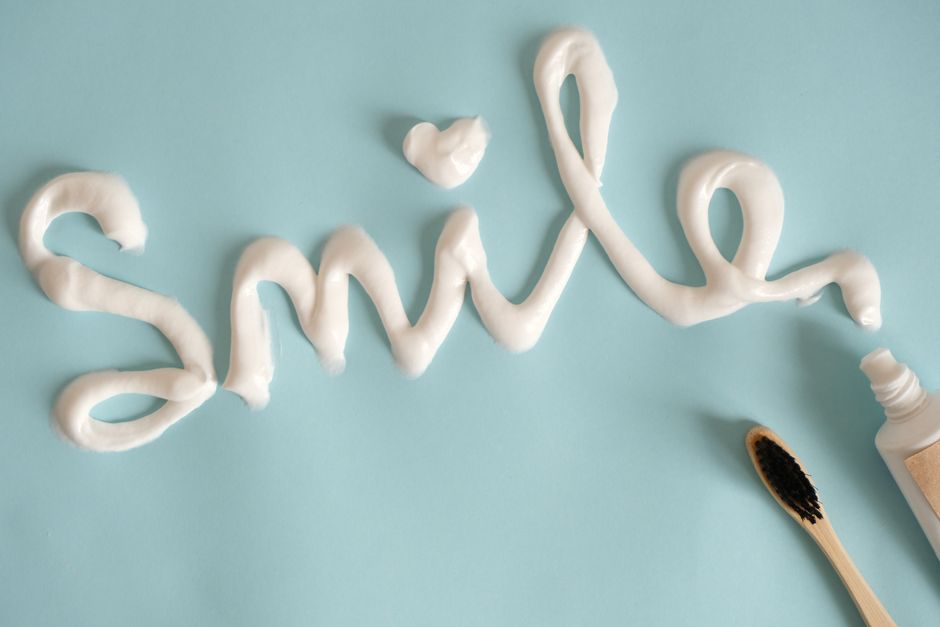
Walk down any drugstore aisle and you’ll see dozens of toothpastes promising a whiter smile. The honest answer is that whitening toothpaste can make a real but limited difference. It works best on surface stains from coffee, tea, wine, and tobacco. It does very little for the deeper yellow that comes from inside the tooth itself.
That distinction matters more than most product labels admit. Understanding where a stain sits in your tooth explains almost everything about what whitening toothpaste can and cannot do.
Does Teeth Whitening Toothpaste Actually Work?
Yes, but only on the outer layer of the tooth. Whitening toothpaste removes and prevents surface stains. It does not bleach the tooth from the inside the way professional whitening does.
The outer surface of your tooth is called enamel. It is the hardest tissue in the human body, but it is not solid. Enamel is made of microscopic rods packed together, and it has tiny pores. Staining particles from food, drink, and smoke settle into those pores and onto the surface over time. This is called extrinsic staining, meaning it comes from outside the tooth.
Whitening toothpaste targets that outer layer. Most products rely on gentle abrasives that physically scrub away stain, plus low concentrations of ingredients that help break it down. The result is a tooth that looks closer to its natural color, not a tooth that has been chemically lightened beyond that color.
What whitening toothpaste does not do is change the underlying color of the tooth. That color comes from dentin, the yellowish layer sitting beneath the enamel. As people age, enamel thins and dentin shows through more. No toothpaste can reach dentin to lighten it. This is why someone with naturally darker or age-related tooth color may see almost no change from whitening toothpaste, no matter how long they use it.
How Does Whitening Toothpaste Remove Stains?
It works through two main mechanisms: abrasion and chemical action. Most whitening toothpastes use one, and many use both.
Abrasion is the physical removal of surface stain. The toothpaste contains fine particles that polish the tooth as you brush. Common abrasives include hydrated silica, calcium carbonate, and aluminum oxide. They are mild by design, because the goal is to lift stain without wearing down enamel.
Chemical action comes from ingredients that help dissolve or break up stain. Some toothpastes contain low levels of hydrogen peroxide or other peroxide compounds. These are the same types of ingredients used in professional whitening, but at much lower concentrations and with far less contact time. In a toothpaste, the peroxide is diluted, rinsed away quickly, and exposed to saliva, all of which limit how much it can do.
Some products also contain enzymes or agents like sodium citrate that help loosen stain particles. Others use optical brighteners or blue pigments that sit on the tooth surface and create a temporary illusion of whiteness. These do not remove stain. They change how light reflects off the tooth, and the effect fades when you stop using the product.
One detail worth knowing: whitening toothpaste can help prevent new stains from setting in, not just remove existing ones. Regular use may slow how quickly stains build up again. That preventive effect is real, though modest.
Why Doesn’t Whitening Toothpaste Work for Everyone?
Because not all tooth discoloration is the same. Whitening toothpaste only addresses one type.
Dentists generally sort discoloration into two categories. Extrinsic stains sit on the surface and respond to whitening toothpaste. Intrinsic stains are inside the tooth and do not.
Intrinsic staining has several causes:
- Natural yellowing as enamel thins with age and dentin shows through
- Certain antibiotics taken during childhood, which can cause gray or brown bands within the tooth
- Trauma to a tooth, which can make it darken from the inside
- Fluoride exposure above recommended levels during tooth development
- Genetics, since natural tooth color varies widely between people
If your discoloration is intrinsic, no toothpaste will meaningfully change it. This is not a product failure. It is a limit of what brushing can reach.
There is also a common mix-up worth clearing up. Whitening toothpaste is not the same as whitening strips or professional in-office whitening. Strips and professional treatments use much higher concentrations of peroxide and stay on the teeth far longer. They can lighten intrinsic color to some degree. Toothpaste cannot match that, and no toothpaste is designed to.


Can Whitening Toothpaste Damage Your Teeth?
Used as directed, most whitening toothpastes are considered safe. The concern is not the product itself but how aggressively it is used.
The abrasive particles in toothpaste are tested for something called relative dentin abrasivity, or RDA. This is a standard measure of how much a toothpaste can wear away tooth structure. Regulators and dental bodies set limits so that approved toothpastes stay within a range considered safe for daily use. Whitening toothpastes are generally formulated to fall within those limits.
The bigger risk comes from overuse and technique. Brushing too hard, brushing too long, or using a hard-bristled brush can wear down enamel and irritate gums regardless of which toothpaste you use. Enamel does not grow back once it is lost. That is the real reason to be gentle, not fear of the toothpaste itself.
Some people with sensitive teeth or receding gums notice more sensitivity with whitening toothpastes, particularly those containing peroxide. If that happens, switching to a gentler or sensitivity-formulated toothpaste is reasonable. Anyone with ongoing sensitivity, gum recession, or worn enamel should talk to a dentist before continuing with an abrasive product.
A word of caution on unproven methods. Some viral trends suggest brushing with baking soda and lemon juice or other acidic mixtures to whiten teeth. Lemon juice is acidic and can soften and erode enamel. Baking soda alone is abrasive. Combining them is not a safe shortcut, and no clinical guidance supports it.
How Does Whitening Toothpaste Compare to Other Options?
Whitening toothpaste sits at the mildest end of the whitening spectrum. Understanding where it falls helps set realistic expectations.
| Method | What it targets | Typical strength |
|---|---|---|
| Whitening toothpaste | Surface (extrinsic) stains | Mild |
| Whitening strips | Surface and some intrinsic color | Moderate |
| Professional in-office whitening | Intrinsic color | Strong |
| At-home dentist-provided trays | Intrinsic color | Moderate to strong |
Strips and professional treatments use higher peroxide concentrations and longer contact time, which is why they can change the actual color of the tooth. Whitening toothpaste mostly polishes and protects the surface. It is best thought of as maintenance, not transformation.
For someone with light surface staining who wants to keep their teeth looking their natural best, whitening toothpaste can be a sensible daily choice. For someone wanting a noticeable shade change, it is unlikely to deliver that on its own.
What Actually Helps You Get Whiter Teeth?
The most effective approach depends on what is causing your discoloration. There is no single answer that fits everyone.
If your stains are surface-level, a few habits make a genuine difference:
- Brush twice a day for about two minutes with a soft-bristled brush
- Limit coffee, tea, red wine, and tobacco, or rinse with water after consuming them
- Use whitening toothpaste consistently, since its preventive effect builds over time
- Get regular professional cleanings, which remove stain and tartar that brushing cannot reach
If your discoloration is intrinsic, the honest path is a conversation with a dentist. Professional whitening, whether in-office or with custom trays, is the approach with the strongest evidence for changing tooth color. A dentist can also identify whether discoloration signals an underlying issue, such as a dead tooth or decay, that needs treatment rather than cosmetic care.
One thing worth saying plainly: results from whitening toothpaste are gradual and easy to overestimate. Many people expect a dramatic shift after a week and feel disappointed. The realistic outcome is a cleaner, slightly brighter surface, especially if you have been consistent with brushing and have kept up with dental cleanings.
Frequently Asked Questions
How long does whitening toothpaste take to work?
Surface stain typically lightens gradually over several weeks of consistent use. It will not produce a sudden shade change, and results depend on how much surface staining you have.
Can whitening toothpaste whiten yellow teeth?
It can help with yellow that comes from surface stains, but not with yellow that comes from the dentin layer inside the tooth. Age-related yellowing is intrinsic and generally does not respond to toothpaste.
Is whitening toothpaste bad for your teeth?
Most whitening toothpastes are considered safe for daily use when you follow the directions. The main risk comes from brushing too hard or too long, which can wear down enamel over time.
Does whitening toothpaste work on crowns or veneers?
Whitening toothpaste does not change the color of crowns, veneers, or bonding. It can remove surface stain from them, but it cannot lighten the material itself.
