
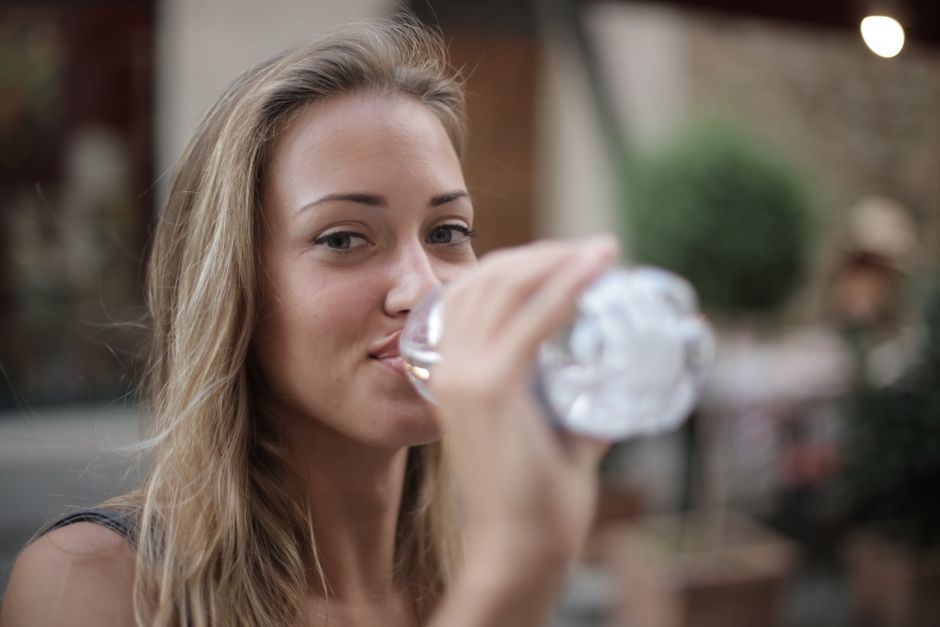
Most of what makes tap water taste “off” is not dangerous — it is chlorine, mineral content, temperature, or dissolved gases. Chilling tap water and letting it sit in an open pitcher for a few hours removes a surprising amount of the chlorine smell and taste. A simple carbon filter does the rest for many people. Bottled water often tastes cleaner because it is filtered, chilled, and sometimes has minerals adjusted — not because it is fundamentally different water.
Why Does Tap Water Taste Different From Bottled Water?
Tap water and bottled water usually start from similar sources. The difference comes from what happens between the source and your glass.
Municipal water is treated to kill bacteria. That treatment almost always involves chlorine or chloramine. Both are effective disinfectants, and both leave a detectable taste and smell at the levels used. Chlorine dissipates fairly quickly. Chloramine is more stable and lingers longer — it is harder to remove and is the reason some tap water keeps a faint “pool” smell even after sitting out.
Bottled water is often filtered more aggressively, then chilled. Cold temperature alone changes how you perceive taste. Dissolved minerals like calcium and magnesium give water what some people describe as a “flat” or “mineral” taste, while very soft water can taste slightly salty or bland. Neither is a health problem — it is a flavor preference.
Water sitting in pipes and plumbing can also pick up trace tastes from older fixtures or from the pipe material itself. This is one reason water from a kitchen tap may taste different from water at the same building’s bathroom tap.
How To Make Tap Water Taste Like Bottled Water
You can close most of the taste gap with a few simple steps, and none of them require special equipment to start.
Chill it first. Cold water tastes cleaner to most people. Fill a glass pitcher and keep it in the fridge. This single change is enough for many households.
Let it breathe. Fill an open pitcher and leave it on the counter for a few hours. Chlorine is a gas and escapes into the air. This works well for chlorine-treated water. It does not work well for chloramine, which does not evaporate the same way.
Add a slice of citrus or a few mint leaves. This does not remove anything from the water. It masks the taste. For some people that is all they need.
Use a carbon filter. A pitcher-style or faucet-mounted activated carbon filter removes chlorine effectively and reduces many taste and odor compounds. Carbon filters are widely used and generally reliable for taste improvement. If your water is treated with chloramine, check that the filter is rated for it — many standard carbon filters are not.
Try a reverse osmosis system. Reverse osmosis removes a very wide range of dissolved substances, including minerals. Some people find the result tastes too “empty” and prefer to add back a small amount of mineral content. These systems also waste water and require maintenance, so they are a bigger commitment than a pitcher filter.
Does Chlorine in Tap Water Cause Health Problems?
At the levels used in public water systems, chlorine is considered safe and is required to keep water free of harmful bacteria. The health risk of removing disinfection is far greater than the risk from the chlorine itself.
That said, some people are more sensitive to the taste and smell than others. The concern most often raised is about disinfection byproducts — compounds formed when chlorine reacts with organic material in water. Public water systems are regulated for these byproducts, and utilities monitor them. If you want to know what is in your water, your local water utility publishes an annual water quality report, sometimes called a consumer confidence report. It is free and publicly available.
One clarification worth knowing: a faint chlorine smell does not mean the water is “full of chemicals” in a dangerous sense. It usually means the water is properly disinfected. The smell is a sign of protection, not contamination.





What About Bottled Water — Is It Actually Better?
Bottled water is not held to a higher safety standard than tap water in the United States. Both are regulated, though by different agencies and under different rules. Bottled water is regulated by the FDA as a food product. Tap water is regulated by the EPA.
Bottled water often tastes better to people for practical reasons: it is chilled, it is filtered, and some brands adjust mineral content for flavor. Spring water and mineral water can have a distinct taste profile that some people prefer.
There is no consistent evidence that bottled water is healthier than tap water for most people in the US. If your tap water meets regulatory standards — which the vast majority does — the choice comes down to taste, convenience, and cost.
When Should You Filter or Avoid Tap Water?
Most tap water in the US is safe to drink. There are situations where extra caution makes sense.
- If your utility has issued a boil water notice, follow it exactly until it is lifted.
- If you have a private well, testing is your responsibility — wells are not covered by public water regulations.
- If your home has older lead pipes or lead solder, running the cold tap for a short time before drinking can reduce lead exposure. Cold water should be used for drinking and cooking, not hot tap water.
- If you are pregnant, have a weakened immune system, or are preparing formula for an infant, check with your utility or a healthcare provider about any local advisories.
For most households, a simple carbon filter plus refrigeration addresses the taste issue without much cost or complexity.
Do Water Flavor Enhancers and Alkaline Drops Work?
Flavor drops and powders change taste, not water quality. They are fine if you like them, but they do not make water “cleaner” or remove anything.
Alkaline water and alkaline drops are marketed heavily. The evidence that alkaline water provides meaningful health benefits in healthy people is limited. Some small studies have looked at specific conditions, but no large, well-controlled human trials have established broad benefits. The claims are stronger than the evidence.
If you want water that tastes like bottled water, you do not need additives. Chilling, filtering, and letting chlorine dissipate will get most people there.
Does Water Temperature Really Change Taste?
Yes, and more than most people realize. Cold temperatures reduce the volatility of aroma compounds, which means you smell less of whatever is in the water. That is part of why cold water tastes “cleaner.”
Your taste buds also respond differently at different temperatures. Many people find room-temperature water tastes flatter and more mineral-heavy than the same water chilled. This is a sensory effect, not a change in water quality. The water is identical — your perception is not.
Frequently Asked Questions
How long should I let tap water sit to remove chlorine taste?
Leaving an open pitcher on the counter for a few hours allows most chlorine to dissipate. This works for chlorine but not for chloramine, which does not evaporate the same way and usually requires a filter rated for it.
Does a Brita filter remove chlorine from tap water?
Activated carbon pitcher filters like Brita are effective at removing chlorine and many taste and odor compounds. Check the specific filter’s label if your water is treated with chloramine, since not all carbon filters are rated for it.
Is bottled water safer than tap water?
In the US, both are regulated and generally safe when they meet standards. Bottled water is regulated by the FDA and tap water by the EPA, but neither is inherently safer than the other for most people.
Why does my tap water taste like metal or dirt?
Metallic taste can come from older plumbing or mineral content, and earthy or musty taste is often from organic compounds in the source water. A carbon filter usually reduces both, but persistent or sudden changes in taste are worth reporting to your water utility.
