
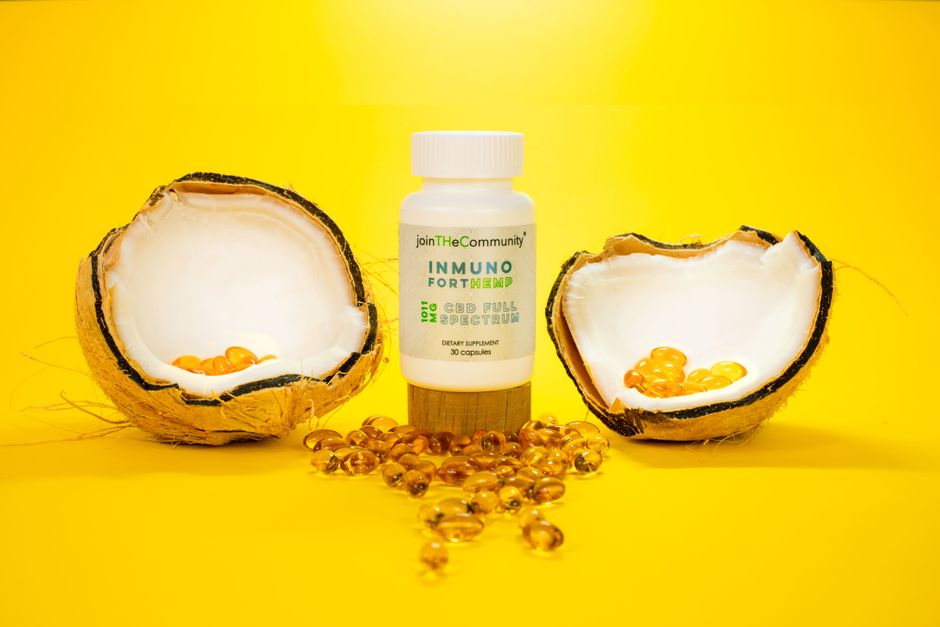
Making a coconut oil suppository at home means melting food-grade coconut oil, pouring it into a small mold, and chilling it until solid. The oil is solid at room temperature, which is what allows it to hold a shape that can be inserted into the rectum or vagina. There is no standard recipe, because coconut oil is not an approved medicine and no health agency has issued instructions for this use.
That last point matters more than any recipe. What follows is an explanation of how people do this, what coconut oil can and cannot do, and where the real risks sit. It is not a recommendation to try it.
How To Make Suppositories With Coconut Oil At Home
The basic method is simple. Coconut oil melts at roughly 76°F (24°C), so it turns liquid in a warm room or in your hands. That low melting point is the whole trick.
A common approach looks like this:
- Use food-grade coconut oil. It is not sterile, but it is made for human consumption.
- Warm the oil gently until just melted. Do not boil it.
- Pour it into a suppository mold, or into a clean ice cube tray for larger pieces you will cut down.
- Refrigerate until firm. Coconut oil sets hard when cold.
- Keep the finished suppositories in the refrigerator. At room temperature they will soften and lose their shape.
Some people add a small amount of beeswax to raise the melting point so the suppository holds together better in the hand. Others do not. There is no research comparing these approaches, because this is not a studied product.
The practical problem with all of this is that a homemade suppository is not sterile. A pharmacy-made suppository is produced under conditions designed to limit contamination. Your kitchen is not. That does not automatically make it dangerous, but it does mean you are inserting something into a mucous membrane without any quality control.
What Is Coconut Oil Actually Made Of?
Coconut oil is mostly saturated fat. Roughly half of its fat content is lauric acid, a medium-chain fatty acid. The rest is a mix of other saturated and unsaturated fats.
This composition is why the oil is solid at room temperature while most plant oils are liquid. It also explains the antimicrobial claims you see online. Lauric acid does show antimicrobial activity in laboratory studies. In a petri dish, it can break down the membranes of certain bacteria and fungi.
That is a real finding. What it does not tell us is whether rubbing coconut oil on skin or inserting it into a body cavity kills an infection in a living person. A lab dish and a human body are very different environments. Body fluids, tissue barriers, and the immune system all change the picture. Laboratory antimicrobial activity is not the same as a demonstrated cure.
No large human trials have confirmed that coconut oil treats vaginal infections, hemorrhoids, constipation, or any other condition people use it for.
What Conditions Do People Try Coconut Oil Suppositories For?
People use them for a handful of reasons. Each one has a different evidence picture.
Vaginal dryness
This is the most reasonable use, and even here the evidence is thin. Coconut oil is an emollient. It can coat tissue and reduce friction. Some clinicians mention it as an option for vaginal dryness, particularly for people who prefer to avoid commercial lubricants.
The catch is that oil can weaken latex condoms and diaphragms. If pregnancy or STI prevention matters, oil-based products are the wrong choice.
Vaginal infections
This is where the marketing outruns the science. Vaginal infections have different causes, and they need different treatments. Bacterial vaginosis, yeast infections, and trichomoniasis are not the same problem.
Treating a vaginal infection with coconut oil instead of getting a diagnosis can let the infection continue. Some infections carry real consequences if they go untreated, including pelvic inflammatory disease and pregnancy complications. If you have unusual discharge, odor, itching, or pain, see a clinician. Coconut oil is not a substitute for that visit.
Hemorrhoids and anal fissures
Coconut oil is sometimes used as a lubricant or soothing agent for hemorrhoids. As a lubricant, it does what any oil does. As a treatment, there is no clinical evidence that it shrinks hemorrhoids or heals fissures. Some clinicians recommend soothing topical agents for symptom relief, but that is symptom management, not a cure.
Constipation
There is no evidence that a coconut oil suppository relieves constipation. The rectum absorbs some substances, but a fat is not a stimulant laxative and does not draw water into the stool the way osmotic laxatives do. If constipation is ongoing, that is worth a medical conversation, not a kitchen experiment.





What Are the Real Risks?
The risks are not theoretical. They fall into a few categories.
Infection. A non-sterile suppository introduces whatever is on the oil and in the mold into a warm, moist environment. The vagina and rectum are not sterile spaces, but that does not mean they tolerate added contamination well.
Irritation. Coconut oil is generally well tolerated on skin. Mucous membranes are more sensitive. Some people develop irritation, burning, or contact dermatitis.
Allergy. Coconut allergy is uncommon but real. A first-time reaction inside a body cavity is not a good way to find out.
Masking a real problem. This is the biggest risk. Symptoms like unusual discharge, bleeding, persistent itching, or pain have causes that need identifying. Covering them with oil delays diagnosis.
Interference. Oil can reduce the effectiveness of latex barriers and may affect how some topical medications absorb.
If you are pregnant, breastfeeding, or treating a child, the caution is higher. No clinical guidelines exist for using coconut oil suppositories in these groups. Do not use them.
Does Coconut Oil Have Any Proven Medical Use?
As a food, coconut oil is a source of fat and calories. That is well established.
As a topical product, it has some evidence for moisturizing dry skin and for reducing eczema symptoms in some small studies. That is a skin application, not a suppository.
Beyond that, the medical evidence is thin. There is no established clinical use for coconut oil suppositories. The research simply has not been done. A handful of small studies on coconut oil and vaginal health exist, but they are not large enough or consistent enough to support a recommendation.
This is the honest position: the mechanism is plausible in a lab dish, the human evidence is essentially absent, and the risks are real even if uncommon.
What Should You Do Instead?
If you have a specific symptom, the answer depends on what is causing it.
For vaginal dryness, water-based or silicone-based lubricants are widely used and do not damage condoms. For vaginal infections, a clinician can identify the cause and treat it properly. For hemorrhoids, over-the-counter options exist that have actual evidence behind them. For constipation, dietary fiber, fluids, and osmotic laxatives are the established approaches.
If you still want to try coconut oil, treat it as a comfort measure, not a treatment. Use food-grade oil, keep it clean, and stop if you notice irritation. And if symptoms persist beyond a few days, or if you have bleeding, fever, or worsening pain, get medical care.
Frequently Asked Questions
Can you make a coconut oil suppository at home?
Yes, you can melt food-grade coconut oil, pour it into a mold, and chill it until solid. There is no standard recipe or safety guidance, because coconut oil is not an approved medicine for this use.
Does coconut oil cure vaginal infections?
No clinical evidence confirms that coconut oil treats vaginal infections. Lab studies show it can kill some microbes in a dish, but that does not translate to curing an infection in the body.
How long does a coconut oil suppository take to melt?
It melts quickly, since coconut oil turns liquid at about 76°F (24°C). Inside the body it will soften within minutes.
Is it safe to use coconut oil suppositories?
There is no established safety data for this use, and homemade suppositories are not sterile. The main risk is using them instead of getting a proper diagnosis for a real symptom.
