
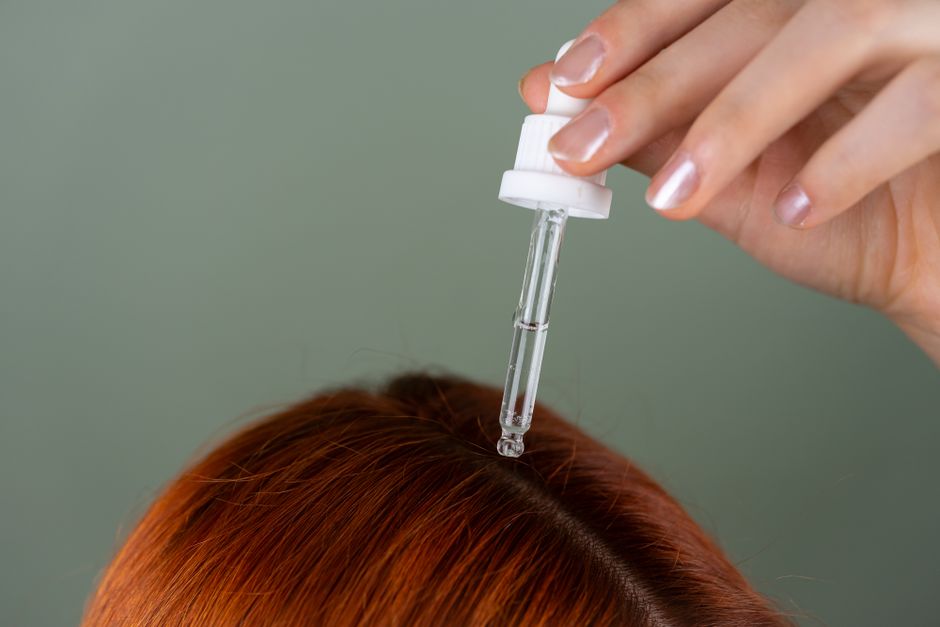
A dry, flaky scalp is uncomfortable, and coconut oil is one of the most popular home remedies people reach for. Here is the honest answer: coconut oil can moisturize a dry scalp by slowing water loss from the skin and adding a layer of fat that feels soothing. It is not a treatment for every cause of scalp dryness, and it will not fix flaking caused by a fungal condition like dandruff. Used correctly, it can help. Used as a cure-all, it can make some scalp problems worse.
What Actually Causes a Dry Scalp?
A dry scalp happens when the skin on your head loses water faster than it can hold onto it. That outer layer of skin, called the stratum corneum, depends on oils and natural moisturizing factors to stay flexible. When those drop, the skin tightens, flakes, and itches.
Several things drive that process. Cold weather and indoor heating pull moisture from the air. Frequent washing with harsh shampoos strips oils. So can hot water. Aging thins the skin and reduces oil production. Some people are simply prone to dry skin conditions like eczema or psoriasis, which are different from ordinary dryness.
Here is where people get confused. A dry scalp and dandruff look similar but are not the same thing. Dandruff is driven by a yeast called Malassezia that lives on most people’s scalps. When it overgrows, it triggers flaking and itching. Dry scalp is a moisture problem. The two need different approaches, and this distinction matters a lot when you decide whether coconut oil is the right tool.
How Does Coconut Oil Moisturize the Scalp?
Coconut oil works as a moisturizer mainly by acting as an occlusive — it forms a thin film on the skin that slows water from evaporating. It does not add water to the skin on its own. It traps existing moisture in place.
The oil is mostly made of medium-chain fatty acids, with lauric acid being the largest component. This gives it a texture that melts at body temperature and spreads easily. Some research suggests lauric acid has mild antimicrobial properties in a lab setting, but that does not automatically translate to treating scalp conditions in real life. Lab results and clinical results are not the same thing.
Coconut oil also contains a small amount of vitamin E, an antioxidant. The amount is modest and not a reason to choose it over other oils. The real value is in the moisture barrier effect and the fact that it is inexpensive and widely available.
How To Moisturize a Dry Scalp With Coconut Oil
The method is simple, but a few details change whether it helps or backfires. Start with a small amount. You can always add more.
- Choose virgin or cold-pressed coconut oil if you want the least processed option. Refined coconut oil works too and has less coconut scent.
- Warm one to two teaspoons in your hands until it turns to liquid. Do not microwave it hot — warm is enough.
- Part your hair in sections and apply the oil directly to the scalp, not just the hair. Use your fingertips to massage it in gently.
- Let it sit for at least 20 to 30 minutes. Some people leave it on longer or overnight. There is no strong evidence that longer is better.
- Wash it out with a gentle shampoo. You may need to shampoo twice to remove the oil fully.
How often? Once or twice a week is a reasonable starting point for most people. If your scalp is very dry and not flaking from another cause, you might use it more often. If you notice buildup, itching, or breakouts, cut back.
One warning that gets left out of most articles: coconut oil is comedogenic, meaning it can clog pores. On the scalp this can trigger acne along the hairline or on the forehead. If you are prone to breakouts, apply carefully and keep the oil on the scalp, not the skin around it.




Does Coconut Oil Help Dandruff or Seborrheic Dermatitis?
This is the part where coconut oil often disappoints people. Dandruff and seborrheic dermatitis are not caused by dryness. They are driven by the Malassezia yeast and by inflammation. Coconut oil does not treat the yeast, and in some cases the oil can feed it.
Malassezia feeds on certain fatty acids found in oils. Applying coconut oil to a scalp with active dandruff can, for some people, make flaking and itching worse rather than better. This is not true for everyone, but it is a real risk worth knowing.
If your flaking is greasy, yellowish, and paired with redness or itching, that pattern points more toward seborrheic dermatitis than simple dryness. That condition usually responds to medicated shampoos containing ingredients like ketoconazole, zinc pyrithione, or selenium sulfide. These are available over the counter. If symptoms are persistent or severe, a dermatologist can help. Coconut oil is not a substitute for these treatments.
What Else Helps a Dry Scalp?
Coconut oil is one option among several. If it does not work or causes problems, others may fit better.
- Gentle, fragrance-free shampoo. Harsh detergents and added scents are common irritants.
- Less frequent washing. Washing every day can strip natural oils, especially in winter.
- Warm, not hot, water. Hot water pulls oil from the skin.
- Other oils. Jojoba oil and argan oil are popular alternatives. Jojoba is chemically closer to human sebum, though evidence that it outperforms coconut oil is limited.
- Humidifiers. Adding moisture to dry indoor air can reduce scalp dryness.
- Moisturizing scalp products. Some leave-in scalp serums are formulated for this purpose and may be less greasy than pure oil.
If dryness does not improve after a few weeks of consistent care, or if you notice redness, swelling, open sores, or hair loss, see a doctor. Those signs point to something beyond ordinary dryness.
Who Should Avoid Coconut Oil on the Scalp?
Not everyone should use it. If you have active dandruff or seborrheic dermatitis, coconut oil may worsen it. If you are prone to scalp acne or folliculitis, the oil can clog hair follicles and trigger or worsen breakouts.
People with a known coconut allergy should avoid it entirely. Coconut allergy is uncommon but real, and it can cause contact dermatitis with redness, itching, and sometimes blistering.
If you have psoriasis on the scalp, coconut oil may soothe the dryness but will not treat the underlying immune response. Psoriasis needs targeted treatment, often prescription. Using oil alone can delay getting the right care.
One more practical note: coconut oil can stain pillowcases and clothing, and it can make hair look greasy if not fully washed out. If you share bedding or wear light-colored clothing, plan accordingly.
Frequently Asked Questions
Can coconut oil cure dandruff?
No. Dandruff is caused by a yeast called Malassezia, and coconut oil does not treat it. In fact, the oil can feed the yeast and make flaking worse for some people.
How often should I put coconut oil on my dry scalp?
Once or twice a week is a reasonable starting point for most people. If you see buildup, itching, or breakouts, reduce how often you use it.
How long should I leave coconut oil on my scalp?
Twenty to 30 minutes is enough for most people. There is no strong evidence that leaving it on longer or overnight works better.
Can coconut oil make a dry scalp worse?
Yes, in some cases. It can clog pores and trigger acne, and it can worsen flaking if the real cause is dandruff rather than dryness.
