
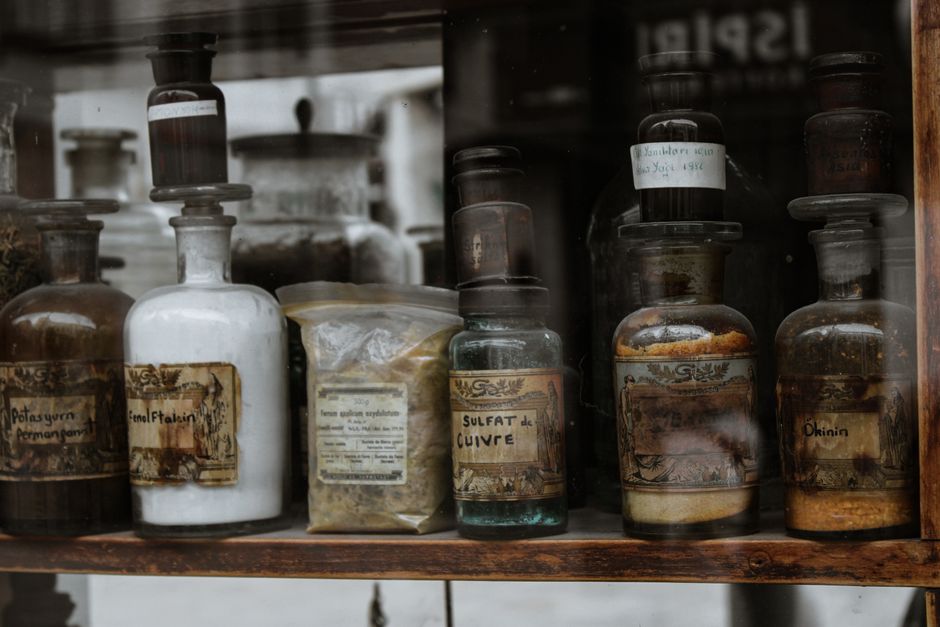
Making potassium permanganate from manganese ore is a multi-step chemical process that involves converting manganese dioxide (MnO₂) into potassium manganate (K₂MnO₄) and then oxidizing it to potassium permanganate (KMnO₄). The industrial method requires high-temperature alkaline fusion with potassium hydroxide and an oxidizing agent like potassium nitrate or air, followed by electrolysis or carbon dioxide treatment. This is not a safe or practical process for home or small-scale settings due to the extreme heat, toxic fumes, and specialized equipment needed.
What Is the Basic Chemical Process for Making Potassium Permanganate?
The starting material is manganese ore, which typically contains manganese dioxide (MnO₂). The first step is to convert this into potassium manganate. This is done by heating the ore with potassium hydroxide (KOH) and an oxidizing agent such as potassium nitrate (KNO₃) or air. The reaction takes place at temperatures around 250–300°C (482–572°F).
The chemical equation for this fusion step is: 2MnO₂ + 4KOH + O₂ → 2K₂MnO₄ + 2H₂O. The potassium manganate produced is a dark green solid. After cooling, it is dissolved in water to form a green solution.
The second step converts the green potassium manganate into purple potassium permanganate. This can be done by electrolysis of the solution, which oxidizes the manganate ion. Alternatively, carbon dioxide gas can be bubbled through the solution, causing a disproportionation reaction where some manganate converts to permanganate and some back to manganese dioxide. The potassium permanganate is then crystallized out of the solution.
What Equipment and Materials Are Required?
This process requires industrial-grade equipment. You need a furnace or kiln capable of reaching and maintaining 300°C. A stainless steel or nickel crucible is necessary because the molten potassium hydroxide is highly corrosive to glass and many metals. You also need an electrolysis setup with inert electrodes like platinum or graphite, a power supply, and a controlled environment to handle toxic gases.
The chemicals include manganese ore powder (high-grade MnO₂), potassium hydroxide (KOH), potassium nitrate (KNO₃) if using that method, and carbon dioxide if using the alternative oxidation step. All of these are hazardous. Potassium hydroxide is caustic and can cause severe burns. Potassium nitrate is an oxidizer that can fuel fires. The process releases toxic fumes including manganese dust and potassium oxide vapors.
Safety equipment is non-negotiable: a fume hood or well-ventilated area, chemical-resistant gloves, safety goggles, a lab coat, and a respirator rated for alkaline dust and fumes. Even with all this, the process carries significant risk of chemical burns, inhalation injury, and fire.
Is It Safe to Make Potassium Permanganate at Home or in a Small Lab?
The straightforward answer is no. This is not a safe or sensible project for a home kitchen, garage, or even a typical school laboratory. The high temperatures, corrosive molten chemicals, and toxic byproducts make it a serious hazard.
The American Chemical Society and other professional bodies classify this as a process requiring advanced chemical engineering knowledge and industrial safety controls. A single mistake with molten potassium hydroxide can cause permanent eye damage or severe skin burns. The manganese dioxide dust is a respiratory hazard linked to neurological effects with chronic exposure.
There are also legal considerations. Potassium permanganate is a regulated chemical in many countries because it can be used as an oxidizer in explosives and illicit drug production. In the United States, the Drug Enforcement Administration tracks sales and possession of certain quantities. Buying or making it without proper licensing could attract legal scrutiny.
For almost all practical purposes, buying high-purity potassium permanganate from a chemical supplier is safer, cheaper, and more reliable than attempting to synthesize it. A 500-gram bottle of reagent-grade potassium permanganate costs around $30–$50 from scientific supply companies. That is less than the cost of the equipment and chemicals needed for synthesis, and it comes with a known purity level and safety data sheet.





What Are the Common Mistakes People Make When Trying This Process?
The most frequent error is underestimating the temperature control needed. The fusion reaction must be held at 250–300°C for a specific time. If the temperature is too low, the reaction does not complete. If it is too high, the potassium hydroxide decomposes and the yield drops. Without a programmable furnace, maintaining this range is extremely difficult.
Another common mistake is using the wrong type of manganese ore. Not all manganese ores are pure MnO₂. Many contain iron, silica, or other metal oxides that contaminate the final product and interfere with the reaction. Industrial producers use ore that is at least 80% MnO₂. Using lower-grade ore results in poor yield and a product that is difficult to purify.
People also often fail to account for the water sensitivity of the process. Potassium hydroxide absorbs moisture from the air, which can cause spattering when heated. The reaction mixture must be kept dry. Even small amounts of water can cause the molten mixture to foam and overflow the crucible, creating a dangerous spill.
Finally, many attempt to shortcut the electrolysis step by using household batteries or car battery chargers. This rarely works because the voltage and current must be precisely controlled. Too much current causes unwanted side reactions that destroy the product. Too little current makes the process take hours or days with poor conversion.
How Does Industrial Production Compare to Small-Scale Attempts?
Industrial production of potassium permanganate is a highly optimized process that differs significantly from small-scale attempts. The table below highlights the key differences.
| Factor | Industrial Production | Small-Scale Attempt |
|——–|———————-|———————|
| Temperature control | Computer-controlled furnaces with ±2°C accuracy | Manual or basic oven control, often ±20°C |
| Ore purity | 85–95% MnO₂, beneficiated and ground to specific particle size | Unprocessed ore or unknown-grade powder |
| Reaction vessel | Nickel or stainless steel with corrosion-resistant linings | Glass, ceramic, or steel crucibles that may crack or corrode |
| Oxidant | Air or oxygen under controlled flow | Potassium nitrate, which introduces nitrogen impurities |
| Purification | Multiple recrystallizations and filtration under vacuum | Simple filtration or decanting, leaving impurities |
| Safety | Enclosed systems with scrubbers, alarms, and trained operators | Open system in a lab or garage with limited ventilation |
| Yield | 85–95% | Often below 30% with significant loss |
| Cost per gram | $0.05–$0.10 | $2–$5 when factoring in equipment and wasted chemicals |
The industrial method also uses electrolysis in large cells with platinum-coated titanium anodes and stainless steel cathodes. The current density, temperature, and pH are monitored continuously. Even a small deviation reduces the purity below commercial grade.
What Are the Alternatives to Making Potassium Permanganate Yourself?
For most people who need potassium permanganate, buying it is the only practical option. It is available from chemical supply companies, laboratory suppliers, and some online retailers. Common uses include water treatment, disinfection, and as a laboratory oxidizing agent.
If you need it for a specific application like treating aquarium water or disinfecting surfaces, there are often safer alternatives. For water disinfection, chlorine bleach (sodium hypochlorite) or hydrogen peroxide are easier to handle and more widely available. For staining wood or leather, commercial dyes and stains are safer and more predictable.
If you are a chemistry educator looking to demonstrate the production of potassium permanganate, consider using a classroom demonstration kit that uses pre-made potassium manganate. This avoids the hazardous fusion step and still shows the color change from green to purple. Several science education suppliers offer such kits.
For research or industrial needs, contract manufacturing services can produce small batches to your specifications. This is more expensive but avoids the legal and safety issues of home synthesis.
Frequently Asked Questions
Frequently Asked Questions
Can I make potassium permanganate from common household items?
No. The process requires industrial-grade manganese ore, potassium hydroxide, and a high-temperature furnace. Household items cannot provide the necessary heat or chemical purity.
Is it legal to make potassium permanganate at home?
In many countries including the United States, producing potassium permanganate without a license may violate chemical regulations. The DEA tracks its sale and possession due to its use in explosives and drug manufacturing.
What is the easiest way to get potassium permanganate?
Buying it from a chemical supply company is the safest and most reliable method. A 500-gram bottle of reagent-grade KMnO₄ costs $30–$50 and requires no specialized equipment.
Can I use potassium permanganate for water purification?
Yes, but only in very low concentrations. The CDC recommends 4 mg per liter for treating clear water. Higher concentrations can be toxic. Always follow official guidelines from your local health authority.
