
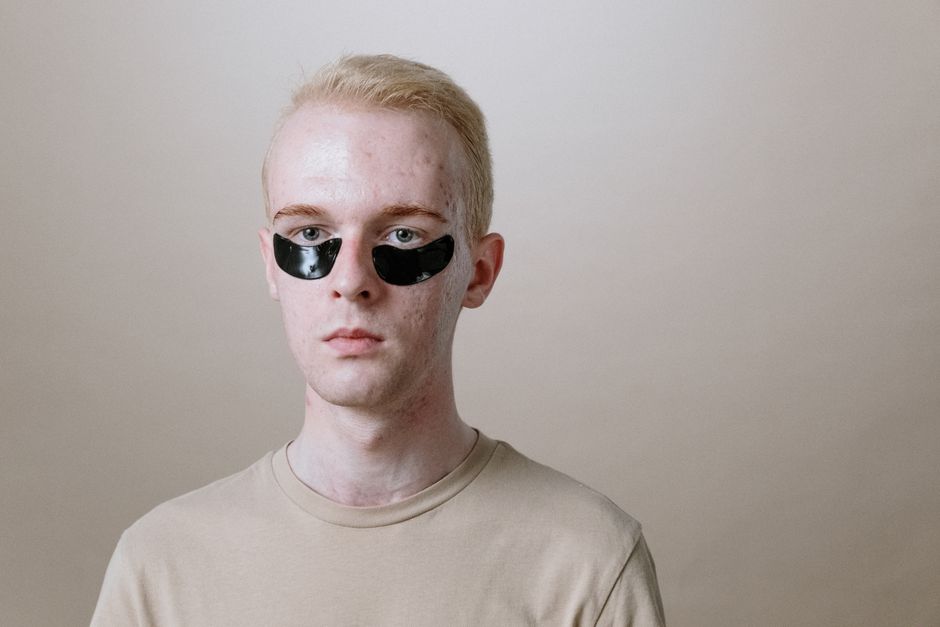
Pimple redness comes from inflammation in and around the pore, and the fastest way to calm it is a cold compress, a spot treatment containing salicylic acid or benzoyl peroxide, and leaving the pimple alone. Most red marks fade noticeably within 24 to 72 hours if you reduce inflammation and avoid picking. There is no fix that erases a pimple in minutes, and products that promise that are overselling what skin can do.
What you can do is stop the redness from getting worse and help the skin settle faster. Below is what actually works, what only looks like it works, and the mistakes that keep a spot red for weeks.
Why Does a Pimple Turn Red in the First Place?
The redness is your immune system doing its job. When a pore clogs with oil and dead skin cells, bacteria that normally live on skin (mainly Cutibacterium acnes) multiply inside it. Your body responds with inflammation, sending blood and immune cells to the area. That rush of blood is what you see as red.
This explains a lot about what helps. Anything that reduces inflammation or constricts surface blood vessels will make the spot look less red. Anything that irritates the skin adds to the inflammation and makes it worse.
It also explains why redness can outlast the pimple itself. After the bump flattens, dilated capillaries and leftover pigment can keep the area looking pink or brown for weeks. That is a different problem from an active pimple, and it needs a different approach.
What Are the Quickest Ways To Make Pimple Redness Go Away?
Cold is the fastest safe way to reduce visible redness. Wrap an ice cube in a thin cloth or use a cold spoon or chilled gel pack and hold it against the spot for about a minute at a time. Cold narrows blood vessels near the skin surface, which temporarily reduces redness and swelling. Keep it brief. Prolonged cold can irritate skin and cause its own damage.
A spot treatment with benzoyl peroxide or salicylic acid is the next step. Benzoyl peroxide kills acne bacteria and reduces inflammation. Salicylic acid helps clear the blocked pore. Both are well established for acne. Neither works instantly. Expect gradual improvement over a day or two, not minutes.
Hydrocortisone cream is sometimes suggested for a very red, inflamed spot. Some clinicians recommend a low-strength over-the-counter cream for a day or two at most. It is not a routine acne treatment, and using it longer can thin the skin and cause other problems. If you try it, keep it short and occasional.
Beyond that, the fastest thing you can do is not touch it. Picking, squeezing, and prodding all increase inflammation and push bacteria and debris deeper. A pimple you leave alone usually calms faster than one you fight with.
Do Ice and Cold Compresses Really Work?
Yes, for reducing the look of redness and swelling in the short term. This is basic physiology, not a marketing claim. Cold causes surface blood vessels to constrict, so less blood shows through the skin, and the spot appears less red and less puffy.
The effect is temporary. It buys you calmer-looking skin for a while, which matters before a meeting or a photo. It does not cure the pimple underneath. The inflammation is still there and will take its own time to resolve.
Use cold carefully. Never press ice directly on skin for long periods. A thin cloth barrier and short applications of about a minute are sensible. If your skin stings, turns white and numb, or looks worse afterward, you have overdone it.


Which Spot Treatments Actually Reduce Redness?
The evidence is strongest for the standard acne ingredients, not for the specialty “redness” products sold alongside them. Here is how the main options compare.
| Ingredient | What it does | How fast |
|---|---|---|
| Benzoyl peroxide | Kills acne bacteria, reduces inflammation | Gradual, over a day or more |
| Salicylic acid | Helps unblock the pore | Gradual, over days |
| Cold compress | Narrows surface blood vessels | Minutes, but temporary |
| Hydrocortisone (low strength) | Reduces inflammation | Hours; short-term use only |
| Niacinamide | May calm redness with regular use | Weeks, not a quick fix |
Niacinamide deserves a note. It has some evidence for reducing inflammation and redness over time, but it is a maintenance ingredient, not an emergency fix. Do not expect it to flatten a spot overnight.
Be skeptical of products marketed specifically as “redness correctors” with green tint. These are cosmetics. They neutralize the look of red on the surface for a few hours. They do nothing to the pimple itself.
What Makes Pimple Redness Worse?
Most of the things that keep a spot red for weeks are things people do to try to fix it. The list is short and worth knowing.
- Picking and squeezing. This is the biggest culprit. It increases inflammation, can push infection deeper, and raises the risk of scarring and dark marks that linger long after the pimple is gone.
- Over-washing and harsh scrubs. Irritation adds to inflammation. Gentle cleansing twice a day is enough.
- Layering many strong products at once. Stacking several drying treatments irritates skin and can make redness worse, not better.
- Picking at scabs. A healing spot needs its scab. Removing it restarts the process.
- Sun exposure on healing skin. Sun can darken a healing spot and make marks last longer. Daily sunscreen helps prevent this.
One clarification worth making: a red mark that stays flat after the pimple heals is usually not active acne. It is post-inflammatory redness or pigmentation, and it fades on its own over weeks to months. Treating it like an active pimple with harsh products can slow that fading.
When Should You See a Doctor About Pimple Redness?
Most pimples are not a medical concern. Some situations are worth a professional look. See a doctor or dermatologist if a spot is large, deep, painful, and growing, or if it is accompanied by fever. A rapidly worsening, hot, swollen area can signal a deeper infection that needs treatment.
Persistent or widespread acne is also worth professional help. A dermatologist can offer prescription treatments that are more effective for moderate to severe acne than anything available over the counter. Waiting to seek help for ongoing acne can increase the risk of lasting scars.
A single spot that will not heal, bleeds, or changes over weeks should be checked. This is uncommon in acne, but it is the kind of change that deserves a look rather than a guess.
Can You Prevent Pimples From Getting Red?
You cannot stop every pimple, but you can reduce how angry they get. The main habits are simple and well supported.
Keep your routine gentle and consistent. Wash with a mild cleanser twice a day and after heavy sweating. Use a non-comedogenic moisturizer and daily sunscreen. Avoid touching your face through the day, and keep pillowcases and phone screens clean, since these contact your skin repeatedly.
If you get frequent pimples, a leave-on product with salicylic acid or benzoyl peroxide used regularly can reduce how often they form. Consistency matters more than strength. Starting with a lower concentration and building up reduces irritation.
None of this guarantees clear skin, and anyone who tells you otherwise is selling something. Acne has a strong hormonal and genetic component that no cleanser overcomes. What these habits do is reduce the irritation and inflammation that make individual spots look worse and last longer.
Frequently Asked Questions
How do I get rid of pimple redness overnight?
You cannot fully remove it overnight, but a cold compress for about a minute and a benzoyl peroxide spot treatment can reduce visible redness by morning. Expect improvement, not a completely clear spot.
Does toothpaste help pimple redness?
No, and it can make things worse. Toothpaste is not an acne treatment and can irritate and dry the skin, adding to redness.
Why is my pimple still red after it goes flat?
That is usually post-inflammatory redness, left over after the active pimple heals. It fades on its own over weeks to months and is not active acne.
Should I pop a pimple to reduce redness?
No. Popping increases inflammation, can push infection deeper, and raises the risk of scarring and lasting dark marks.
