
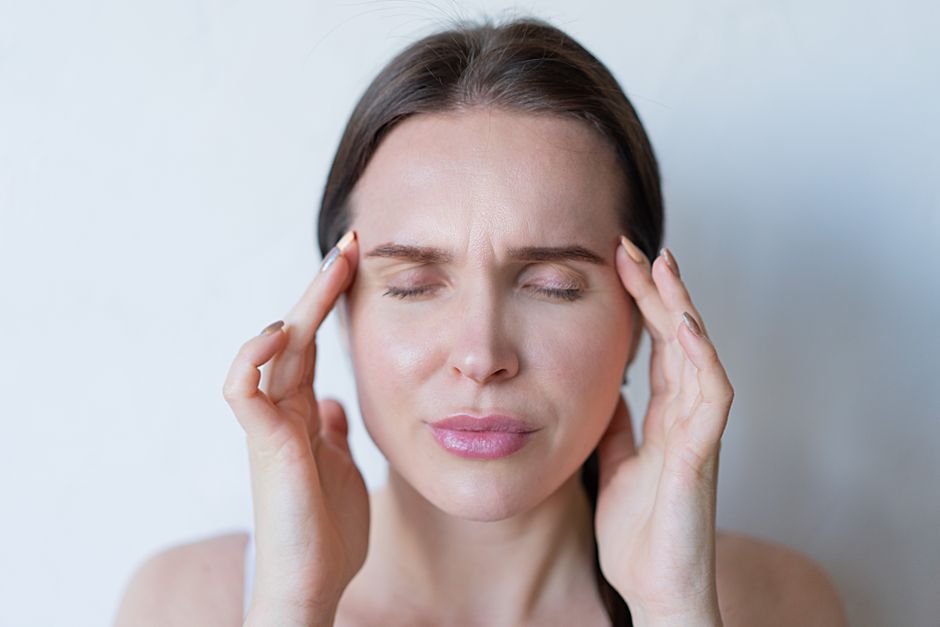
A headache usually starts with a clear cause you can act on. Tension-type headache, the most common kind, often eases within 30 minutes of a simple step like drinking water, eating, or resting your neck. Most everyday headaches respond to basic home measures, and knowing which type you have tells you what to do first. This guide covers what works, what the evidence actually supports, and the warning signs that mean you should not treat it at home.
How To Make A Headache Go Away Quickly At Home
Start by asking what changed in the last few hours. Skipped meals, dehydration, poor sleep, eye strain, and neck tension cause the large majority of ordinary headaches. Fixing that trigger is faster than any pill.
Drink a full glass of water. Low fluid intake is a common and easily corrected cause of headache. Eat something if you have not eaten in several hours — low blood sugar can trigger headache in some people. Step away from the screen and rest your eyes for a few minutes.
For tension-type headache, simple over-the-counter pain relievers are effective for many people. Two cautions matter here. First, follow the label dose and check with a pharmacist if you take other medicines or have liver, kidney, or stomach problems. Second, using pain relievers more than a couple of days a week on a regular basis can itself cause medication-overuse headache — a real and well-documented condition. If you are reaching for pills most days, that is a reason to see a clinician, not to keep dosing.
Apply a cold pack to the forehead or a warm pack to the neck and shoulders. Which one helps varies by person and by headache type. There is no strong trial evidence that one is superior; this is practical comfort care, not a proven treatment.
Rest in a quiet, dim room. Close your eyes. Most ordinary headaches settle with these steps. If yours does not improve within a few hours, or keeps returning, that points toward a different cause that deserves medical attention.
What Actually Causes Most Everyday Headaches?
Tension-type headache is the most common headache disorder. It typically produces a pressing or tightening pain on both sides of the head, mild to moderate in intensity, and it does not usually worsen with routine physical activity. It is not caused by a serious underlying disease.
Migraine is different. It is a neurological condition, not just a bad headache. Migraine pain is often one-sided, throbbing, moderate to severe, and made worse by movement. Nausea, and sensitivity to light and sound, are common. Some people get visual or sensory changes called aura before the pain starts.
The distinction matters because the two respond differently. Tension headache often eases with rest and a simple pain reliever. Migraine often needs a dark, quiet room and may not respond well to ordinary activity. Some research suggests that treating migraine early, before the pain becomes severe, works better than waiting — but migraine treatment is a clinical matter and worth discussing with a doctor rather than managing alone.
Other frequent triggers for ordinary headaches include:
- Skipping meals or not drinking enough water
- Poor or disrupted sleep
- Neck and shoulder muscle tension, often from posture or long screen use
- Stress
- Caffeine withdrawal, which can cause a headache within hours of missing a usual dose
- Alcohol
One clarification worth knowing: the idea that most headaches are caused by “eye strain” is overstated. Long screen use is linked to eye discomfort and headache for some people, but vision problems are not a leading cause of chronic headache. If headaches are frequent, an eye exam is reasonable, but do not expect new glasses to solve the problem.
Do Cold Packs, Caffeine, or Massage Really Help?
The evidence here is mixed and depends on the headache type. Cold packs are widely used and often reported as helpful for migraine. Warm packs and gentle neck massage are commonly used for tension headache. Neither has strong large-trial support, but both are low-risk and reasonable to try.
Caffeine is a genuine double-edged tool. It constricts blood vessels and is included in some over-the-counter headache medicines because it can improve their effect. A cup of coffee can ease a headache for some people. But regular daily caffeine use can cause withdrawal headaches, and frequent use can contribute to chronic daily headache. If you drink coffee every day and get headaches on the days you skip it, caffeine is likely part of the problem, not the solution.
Massage and stretching the neck and shoulders can reduce muscle tension that contributes to tension-type headache. Some studies suggest benefit; the quality of evidence is limited. It is safe for most people. If you have neck pain with numbness, weakness, or pain radiating down an arm, see a clinician before stretching.
What does not have solid evidence: most supplements marketed for headache, essential oil blends, and devices sold as headache cures. No large human trials confirm these work. Be skeptical of anything promising fast, guaranteed relief.





When Is a Headache a Medical Emergency?
Most headaches are not dangerous. A small number are, and the warning signs are well established. Seek emergency care immediately if you have any of the following:
- A sudden, severe headache that reaches maximum intensity within seconds to minutes — sometimes described as a thunderclap headache
- Headache with fever and a stiff neck
- Headache after a head injury
- Headache with confusion, slurred speech, weakness, numbness, or vision loss
- Headache with a seizure or fainting
- A new severe headache during pregnancy or shortly after delivery
- Headache that is steadily worsening over days or weeks
These signs can indicate serious conditions such as bleeding around the brain, infection, or stroke. They are uncommon, but they are time-critical. Do not wait to see if they pass.
See a doctor soon, rather than urgently, if headaches are frequent, are interfering with daily life, are new after age 50, or are changing in pattern. Frequent headaches deserve a proper diagnosis rather than repeated self-treatment.
How Can You Prevent Headaches From Coming Back?
Prevention targets the triggers you can control. The basics are unglamorous but effective for many people.
Keep regular meal times. Drink water through the day. Aim for consistent sleep and wake times, including weekends. Take short breaks from screens and change position regularly if you sit for work. Manage stress where you can — relaxation approaches and regular physical activity are reasonable, low-risk steps, though evidence for any single technique is modest.
Watch your pain-reliever use. Using over-the-counter pain medicine on more than a couple of days a week can lead to medication-overuse headache, where headaches become more frequent the more you treat them. This is well documented and often missed. If you are in that pattern, talk to a clinician about breaking the cycle rather than continuing.
Keep a simple headache diary for a few weeks. Note the time, what you ate, how you slept, stress level, and what you did before the headache. Patterns often emerge that are invisible day to day. Bring it to a doctor if headaches are frequent.
For people with frequent or disabling headaches, preventive treatment exists and is prescribed by clinicians. That is a medical decision, not a home remedy, and worth discussing if self-care is not enough.
Frequently Asked Questions
How long should a headache last before I worry?
Most ordinary tension headaches ease within a few hours. A headache that is severe, keeps getting worse, or comes with fever, weakness, confusion, or a stiff neck needs urgent medical care rather than waiting.
Does drinking water really help a headache?
Yes, if dehydration is the trigger — low fluid intake is a common cause of everyday headache. Drinking water helps most when you have not had enough to drink; it will not fix a headache from another cause.
Can too much headache medicine make headaches worse?
Yes. Using over-the-counter pain relievers on more than a couple of days a week can cause medication-overuse headache, where headaches become more frequent. If you are taking pain medicine most days, see a clinician.
When should I see a doctor for headaches?
See a doctor if headaches are frequent, interfere with daily life, are new after age 50, or are changing in pattern. Sudden severe headache or headache with neurological symptoms is an emergency — call for help immediately.
