
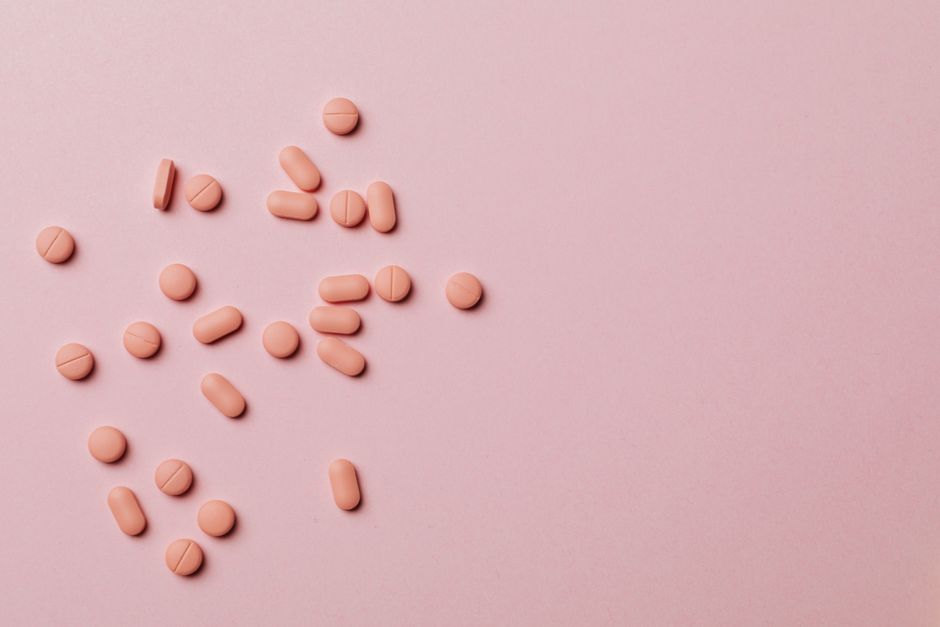
Swallow a pill and it does not start working the moment it hits your stomach. Most medicines have to dissolve, cross into the bloodstream, and reach a target tissue before you feel anything. That journey usually takes 30 to 60 minutes for a standard immediate-release tablet, and the biggest variables are things you control: whether you took it with water, whether you took it with food, and what position your body is in afterward. There is no trick that makes every pill work faster, but there are real, evidence-based factors that speed absorption for some drugs and slow it for others.
How To Make Pills Work Faster According To Science?
For most oral tablets, the fastest path to your bloodstream is taking the dose with a full glass of water on an empty stomach while sitting or standing upright. Water helps the tablet break apart and empty from the stomach into the small intestine, where most drugs are absorbed. An empty stomach usually moves contents along faster than a full one.
That is the general rule. It is not universal, and following it for every medicine can backfire. Some drugs are absorbed better with food. Others are designed to release slowly on purpose. The rest of this article explains which factors actually matter and when the standard advice does not apply.
Why Does Water Matter So Much For Pill Absorption?
A tablet is a compressed powder that has to disintegrate before the active ingredient can dissolve. Water is what makes that happen. Take a pill with too little liquid and it can sit in the stomach as a partially dissolved mass, delaying the whole process.
Research on this is fairly consistent. Taking a tablet with a large glass of water, roughly 200 to 250 milliliters, tends to speed up disintegration and stomach emptying compared with taking it with a sip or with none. The effect is modest for most drugs but real.
Water also matters because some medicines can irritate the esophagus if they lodge there. Swallowing with enough liquid helps move the pill down. This is one reason labels often say to take certain drugs with a full glass of water.
What you should not use as your liquid matters too. Some beverages interact with specific drugs in ways that change absorption, sometimes making it faster and sometimes blocking it entirely. More on that below.
Does Your Body Position Change How Fast A Pill Works?
It can, and this is one of the more surprising findings in the research. A study published in Physics of Fluids modeled how posture affects how quickly a pill dissolves and empties from the stomach. It found that lying on your right side sped up the process, while lying on your left side slowed it down considerably.
The reason is anatomy. The stomach’s exit, the pylorus, sits on the right side of the body. Gravity helps contents move toward that exit when you are lying on your right side. Lying on your left side puts the exit higher, so contents pool and empty more slowly.
Sitting or standing upright is a reasonable middle ground and is the standard advice. Staying upright for a while after swallowing also reduces the chance of a pill sticking in the esophagus, which is a real concern for some medications. Lying down immediately after taking a pill is generally the worst option for both speed and safety.


Should You Take Pills With Food Or On An Empty Stomach?
This depends entirely on the drug, and getting it wrong can either slow the medicine down or reduce how much of it you absorb. There is no single right answer.
An empty stomach usually means faster absorption. Food slows stomach emptying, which delays when a drug reaches the small intestine. For pain relievers taken for a headache or a fever, this is often why people notice faster relief when they have not just eaten a large meal.
But some drugs need food for a different reason. A few are absorbed poorly without it. Others are taken with food to reduce stomach upset, even if that slows absorption slightly. And some, like certain thyroid medications, must be taken on a truly empty stomach because food and minerals like calcium or iron can bind the drug and cut how much gets into the blood.
The label and your pharmacist are the reliable sources here. When a medicine says “take with food” or “take on an empty stomach,” that instruction reflects how the drug was tested and how it is meant to be absorbed. Changing it on your own can make the dose less effective or less predictable.
Which Drinks Speed Up Or Block A Pill?
Water is the default for good reason. Other liquids can help or hurt depending on the drug.
- Grapefruit juice can raise blood levels of certain medications by interfering with an enzyme in the gut and liver. This can make a drug act stronger than intended, which is not the same as working faster and can be dangerous.
- Milk and dairy can bind to some antibiotics and reduce how much is absorbed. This is why certain antibiotics are taken with water, not milk.
- Alcohol interacts with many medicines and can change absorption, sedation, and other effects. It is not a safe way to speed anything up.
- Hot drinks may dissolve some tablets faster, but heat can also damage certain formulations, and this is not a reliable strategy across drugs.
The safe general answer is plain water. If a specific medicine has a known interaction with a beverage, that is usually stated on the label.
Does A Pill’s Form Change How Fast It Works?
Yes, and this is decided by the manufacturer, not by you. The same drug can be made to release at very different speeds.
| Form | Typical speed | Notes |
|---|---|---|
| Liquid or syrup | Fastest | Already dissolved, no disintegration step |
| Chewable or orally disintegrating | Fast | Breaks down in the mouth |
| Immediate-release tablet | Standard | Dissolves in the stomach and small intestine |
| Extended-release tablet | Slow by design | Releases drug over hours on purpose |
This is why crushing or splitting a tablet is a bad idea unless a pharmacist says it is safe. An extended-release tablet crushed and swallowed can dump its whole dose at once instead of over many hours. That can turn a safe dose into an overdose. The slow release is a feature, not a flaw, and it should not be defeated.
What You Cannot Do To Speed Up A Pill
Some popular ideas do not hold up. Taking a double dose does not make a medicine work faster. It raises the risk of side effects and, for some drugs, harm. It also does not change the time it takes the drug to reach your bloodstream.
Taking a pill more often than directed does not speed up the first dose either. It just builds up levels that can become unsafe. The timing of a drug’s effect is set by how fast it is absorbed and how the body clears it, not by how many pills you take at once.
Chewing a pill that is not meant to be chewed can release the drug too quickly or damage the coating that protects your stomach. Unless the label or a pharmacist says otherwise, swallow tablets whole with water.
One more point worth being honest about: for many medicines, “faster” is not even the goal. Drugs for blood pressure, cholesterol, or thyroid function work by building up steady levels over days or weeks. Speeding up absorption of a single dose does not change that timeline. The medicine is working even when you feel nothing.
Frequently Asked Questions
Does taking a pill with more water make it work faster?
Taking a tablet with a full glass of water, about 200 to 250 milliliters, tends to help it disintegrate and empty from the stomach faster than taking it with little or no liquid. The effect is real but modest for most drugs.
Is it better to lie down after taking a pill?
No. Sitting or standing upright is the standard advice because it helps the pill move down and reduces the chance of it sticking in the esophagus. Lying on your left side in particular can slow stomach emptying.
Can I crush a pill to make it work faster?
Only if a pharmacist or the label says it is safe. Crushing an extended-release or enteric-coated tablet can release the whole dose at once, which can be dangerous.
Why does my medicine say take with food if food slows absorption?
Some drugs are absorbed better with food, and others are taken with food to reduce stomach upset. The label reflects how that specific drug was tested, so it should be followed as written.
