
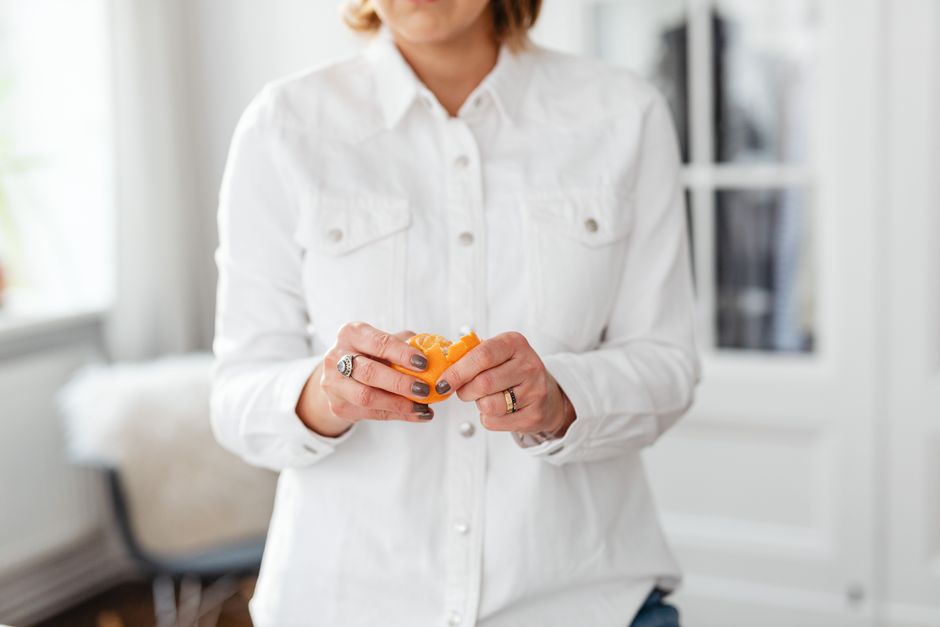
Making orange peel powder at home is simple: wash the oranges thoroughly, peel them, dry the peels completely, and grind them into a fine powder. The drying step is the most important part — any remaining moisture will cause the powder to clump or mold. Once dried and ground, the powder keeps for months in an airtight jar and can be used in cooking, skincare, or as a natural cleaner.
Why Make Orange Peel Powder At Home?
Store-bought orange peel powder is convenient, but making it at home gives you control over quality. You know exactly which oranges were used, how they were washed, and whether any additives were included. Many commercial powders contain preservatives or added sugars.
Home-dried peel also retains more of the natural aromatic oils. These oils, mainly limonene, give orange peel its fresh scent and are partly lost during commercial processing. For culinary use, the flavor difference is noticeable.
There is also the waste factor. If you eat oranges regularly, the peels would otherwise go in the compost or trash. Turning them into powder is a practical way to use the whole fruit.
What You Need Before You Start
You only need a few basic items. Most people already have them in the kitchen.
- Fresh oranges — organic if possible, since you are consuming the peel
- A vegetable brush or clean sponge for scrubbing
- A sharp knife or vegetable peeler
- A baking sheet or drying rack
- A spice grinder, blender, or food processor
- An airtight glass jar for storage
The type of orange matters less than you might think. Navel oranges, Valencia oranges, and even mandarins all work well. The flavor will vary slightly between varieties, but the process is identical.
If you cannot find organic oranges, do not skip the washing step. Conventionally grown oranges are often coated with wax or treated with fungicides to prevent spoilage during shipping. A thorough scrub under warm water removes most of this residue.
Step-by-Step Instructions for Making Orange Peel Powder
The process takes about 2 to 4 days from start to finish, depending on your drying method. The active work is only about 30 minutes total.
Step 1: Wash the Oranges Thoroughly
Scrub each orange under warm running water. Use a vegetable brush to remove dirt, wax, and any pesticide residue. This step matters because you will consume the peel. Dry the oranges with a clean towel before peeling.
Step 2: Peel the Oranges
Use a vegetable peeler or a sharp knife to remove the outer orange layer. Try to avoid the white pith underneath — it is bitter. The pith contains compounds that will make your powder taste unpleasant, especially if you plan to use it in food.
Thin strips of peel dry faster and grind more evenly than thick chunks. If you end up with thick pieces, you can trim them with a knife.
Step 3: Dry the Peels Completely
This is the step that determines success or failure. The peels must be bone-dry before grinding. Any moisture left inside will cause the powder to clump, develop mold, or spoil quickly.
There are three common drying methods:
- Air drying: Spread the peels in a single layer on a baking sheet or drying rack. Place them in a warm, dry, well-ventilated area out of direct sunlight. This takes 2 to 4 days. The peels are ready when they snap rather than bend.
- Oven drying: Preheat your oven to the lowest setting, ideally around 150°F (65°C) or lower. Spread the peels on a baking sheet lined with parchment paper. Leave the oven door slightly open to let moisture escape. Drying takes 2 to 4 hours. Check frequently to prevent burning.
- Dehydrator: Set the dehydrator to 95–115°F (35–46°C). Arrange the peels in a single layer and dry for 6 to 12 hours. This method gives the most consistent results and preserves the aromatic oils best.
Whichever method you choose, test for dryness before grinding. A properly dried peel should break with a crisp snap. If it bends or feels leathery, it needs more time.
Step 4: Grind the Dried Peels
Break the dried peels into smaller pieces by hand. This protects your grinder from straining on large pieces. Then grind them in batches using a spice grinder, high-speed blender, or food processor.
Grind in short pulses rather than running the machine continuously. This prevents heat buildup, which can degrade the aromatic oils. If the powder is not fine enough after the first pass, sift it through a fine mesh strainer and grind the larger pieces again.
Step 5: Store the Powder Properly
Transfer the finished powder to an airtight glass jar. Store it in a cool, dark place, away from heat and sunlight. A kitchen cabinet away from the stove works well.
Properly stored orange peel powder keeps for 6 to 12 months. Over time, the color fades and the aroma weakens, but the powder remains safe to use as long as it stays dry. If you see any signs of moisture or mold, discard it.



How To Use Orange Peel Powder
Orange peel powder is versatile. The most common uses fall into three categories: cooking, skincare, and household cleaning.
Culinary Uses
In cooking, orange peel powder adds concentrated citrus flavor without adding liquid. Use it in baked goods like muffins, cookies, and cakes. It also works well in spice rubs, marinades, and salad dressings.
A little goes a long way. Start with a quarter teaspoon and adjust to taste. The powder is more concentrated than fresh zest because the water has been removed.
Skincare Uses
Orange peel powder appears frequently in DIY face masks and scrubs. The fine texture provides gentle exfoliation, and the natural oils give it a pleasant scent.
The evidence for skincare benefits is limited. Some research suggests that citrus extracts have antioxidant properties, and vitamin C is present in orange peel. But no large clinical trials have confirmed that orange peel powder improves skin health or treats specific skin conditions. If you have sensitive skin, test a small patch first — citrus can irritate some people.
Household Cleaning
Orange peel powder can be used as a mild abrasive cleaner. The limonene in orange oil has natural degreasing properties. Mix a small amount with water to form a paste for cleaning sinks, counters, or cutting boards.
This is not a disinfectant. Orange peel powder does not kill bacteria or viruses. For surfaces that need sanitizing, use a proper disinfectant product.
Common Mistakes To Avoid
The most common mistake is not drying the peels thoroughly. People rush this step, grind the peels too early, and end up with a clumpy paste that molds within days. Be patient. If the peels are not bone-dry, they are not ready.
The second mistake is including too much white pith. The pith is intensely bitter and will ruin the flavor of your powder. Take the extra minute to peel carefully.
The third mistake is storing the powder in a damp or warm environment. Moisture is the enemy. Always use a dry spoon when scooping out the powder, and keep the jar tightly sealed.
Is Homemade Orange Peel Powder Safe?
For most healthy adults, yes. Orange peel is safe to consume in normal culinary amounts. It is a common ingredient in many cuisines and baked goods.
One important consideration: if you are taking certain medications, check for interactions. Orange peel contains compounds called furanocoumarins, which can interfere with some prescription drugs, particularly certain statins and blood pressure medications. This is the same interaction associated with grapefruit juice, though the effect is generally weaker with orange peel.
If you are pregnant, breastfeeding, or taking prescription medication, talk to your doctor before using orange peel powder regularly as a supplement or in large amounts. Using it as a spice in normal cooking amounts is unlikely to cause problems.
People with citrus allergies should avoid orange peel powder entirely. Symptoms of a citrus allergy can include skin irritation, hives, or digestive discomfort.
How To Make Orange Peel Powder At Home: Quick Version
If you want the short version, here it is:
- Scrub oranges well under warm water
- Peel off the outer orange layer, avoiding the white pith
- Dry the peels until they snap, not bend — 2 to 4 days air drying, 2 to 4 hours in the oven, or 6 to 12 hours in a dehydrator
- Grind in short pulses until fine
- Store in an airtight jar in a cool, dark place
The whole process requires about 30 minutes of active time. The rest is waiting for the peels to dry.
Frequently Asked Questions
How long does homemade orange peel powder last?
Stored properly in an airtight jar in a cool, dark place, it lasts 6 to 12 months. The aroma weakens over time, but the powder stays safe as long as it remains completely dry.
Can I use any type of orange?
Yes, any variety works — navel, Valencia, mandarin, or tangerine. The flavor will differ slightly between varieties, but the drying and grinding process is the same.
Do I need to remove the white pith?
Yes, the white pith is bitter and will make your powder taste unpleasant. Use a vegetable peeler to remove only the outer orange layer, leaving the pith behind.
Can I dry orange peels in the microwave?
Yes, but it is difficult to control. Microwave the peels in short 30-second intervals on a paper towel, checking after each interval until they are dry and brittle. Be careful — they can burn quickly.
