
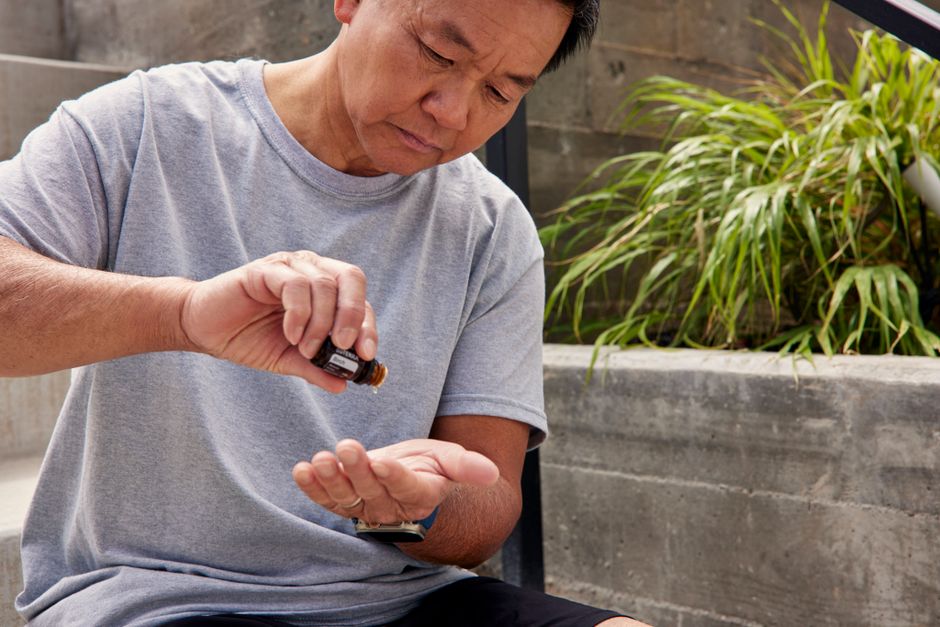
Making oil of oregano at home is a straightforward process that involves steeping dried oregano leaves in a carrier oil. You infuse the leaves, strain them, and store the finished oil in a cool, dark place. The result is a flavorful culinary oil, though it is important to understand that this homemade version differs significantly from the concentrated oregano essential oil sold in supplement form.
What Is the Difference Between Infused Oil and Essential Oil?
Understanding this difference matters before you start. Homemade oregano oil is an infused oil. You soak dried leaves in olive oil or another carrier oil to pull out some of the plant’s flavor and compounds. This is a gentle, food-safe process.
Oregano essential oil is a concentrated extract made through steam distillation. It takes a large amount of plant material to produce a tiny bottle. Essential oil contains high levels of carvacrol and thymol, the active compounds often studied for antimicrobial effects. This concentration makes it potent, and it requires careful handling. You never swallow essential oil directly. The two products are not interchangeable.
What Ingredients Do You Need?
You need three things: dried oregano, a carrier oil, and a clean glass jar.
Dried oregano is the key ingredient. Use dried leaves rather than fresh. Fresh leaves contain water, which can cause the oil to spoil or grow bacteria during storage. You can dry your own oregano from the garden or buy high-quality dried oregano from a store. The leaves should be dry and crisp before you begin.
Carrier oil is the base. Olive oil is the most common choice because of its mild flavor and good shelf life. Other options include avocado oil, grapeseed oil, or sunflower oil. Choose a good-quality oil you would use for cooking. The carrier oil makes up the bulk of the final product.
A glass jar with a tight-fitting lid is essential. Use a clean, dry jar. Avoid plastic containers because some oils can break down plastic over time.
Step by Step: How To Make Oil Of Oregano at Home
This method uses a warm infusion, which is faster and extracts more flavor than a cold soak. You will need a double boiler or a heatproof bowl set over a pot of simmering water.
Step 1: Prepare the oregano. Crush the dried oregano leaves slightly with your fingers. This releases more of the plant’s oils and increases the surface area for infusion. Do not grind it into a powder. Coarse pieces work best.
Step 2: Combine in a jar. Place the crushed oregano in your glass jar. Fill the jar about halfway full with the dried herb. You want enough room to cover the leaves completely with oil.
Step 3: Warm the oil. Pour the carrier oil into the jar over the oregano until the leaves are fully submerged. Leave about an inch of space at the top. Place the jar in a warm water bath. Keep the water at a gentle simmer, not a rolling boil. Heat for about two to three hours. The oil should never get hot enough to bubble or fry the herbs.
Step 4: Cool and strain. Remove the jar from the water bath and let it cool completely. Once cool, strain the oil through a fine mesh strainer lined with cheesecloth. Squeeze the cloth to extract as much oil as possible from the leaves.
Step 5: Store properly. Pour the strained oil into a clean, dry glass bottle or jar with a tight lid. Store it in a cool, dark place away from direct sunlight. A kitchen cabinet works well. Refrigeration extends the shelf life further.
A cold infusion method also works. Combine the oregano and oil in a jar, seal it, and place it in a sunny windowsill for two to four weeks. Shake the jar every few days. Strain and store the same way. The warm method is faster and produces a stronger flavor in less time.





How Long Does Homemade Oregano Oil Last?
Homemade infused oils have a limited shelf life. Because you are not adding preservatives, the oil can go rancid over time. Most homemade oregano oil lasts about one to three months when stored in a cool, dark place. Refrigeration can extend this to about six months.
Signs of spoilage include an off smell, a rancid odor, cloudiness, or any visible mold. If you see mold, discard the entire batch immediately. Mold in infused oils can be dangerous to consume. Never use oil that shows any sign of spoilage.
To reduce spoilage risk, make small batches that you will use within a few weeks. This is especially important if you use the oil regularly in cooking. Fresh oil is always better than oil that has been sitting for months.
How Do You Use Homemade Oregano Oil?
Homemade oregano oil is primarily a culinary product. Use it as a finishing oil on salads, drizzle it over cooked vegetables, or use it in marinades and dressings. The flavor is herbaceous and slightly sharp, similar to dried oregano but more concentrated.
You can also use it as a dipping oil for bread. Combine it with a little balsamic vinegar and black pepper for a simple appetizer. The oil adds oregano flavor to any dish where you would normally use dried oregano.
Do not use homemade infused oil as a substitute for oregano essential oil in any medicinal or therapeutic context. The concentration of active compounds in an infused oil is far lower than in essential oil. No reliable evidence supports using homemade infused oregano oil for treating infections or other health conditions. It is a food product, not a medicine.
Is Oregano Oil Safe for Everyone?
Oregano essential oil is not safe to consume in its undiluted form. It can cause burning, irritation, and damage to the mouth, throat, and digestive tract. Even diluted, essential oil should only be used under the guidance of a qualified healthcare professional. Some research suggests potential benefits, but the evidence is not strong enough for general recommendations.
Homemade infused oregano oil is generally safe as a food when used in normal cooking amounts. However, if you are pregnant, breastfeeding, or taking medications, talk to your doctor before using any herbal product regularly, including infused oils. No clinical guidelines currently exist for oregano oil use in these populations.
People with allergies to plants in the mint family, such as basil, sage, or thyme, may also react to oregano. If you have a known allergy, avoid oregano oil entirely. Stop using the oil if you experience any signs of an allergic reaction, such as rash, itching, or swelling.
Does Homemade Oregano Oil Have the Same Benefits as Oregano Essential Oil?
No. This is an important distinction. The research on oregano’s potential antimicrobial and antioxidant properties focuses on concentrated extracts and essential oils, not on homemade infused oils.
Essential oil contains very high levels of carvacrol, the compound most studied for its biological activity. A homemade infused oil contains only a fraction of that concentration. The amount you would need to consume to match the active compound levels in essential oil is impractical and unsafe. Some studies indicate that oregano extracts have antimicrobial properties in laboratory settings. That does not mean that eating infused oil will fight an infection in your body. No clinical evidence currently confirms that consuming infused oregano oil provides any medicinal benefit.
Enjoy homemade oregano oil for its flavor and culinary value. If you are interested in the potential health effects of oregano compounds, speak with a healthcare provider about whether any oregano products are appropriate for your situation.
Frequently Asked Questions
Can I use fresh oregano instead of dried?
No, use dried oregano. Fresh leaves contain water, which promotes bacterial growth and spoilage during the infusion process.
How long do I need to infuse the oil?
The warm method takes two to three hours, while the cold method takes two to four weeks. The warm method produces a stronger flavor in less time.
What is the best oil to use for making oregano oil?
Olive oil is the most common choice due to its mild flavor and stability. Avocado, grapeseed, or sunflower oil also work well.
Can I use homemade oregano oil for medicinal purposes?
No, homemade infused oil is a culinary product. It does not contain the concentrated active compounds found in oregano essential oil, and no evidence supports its use as a medicine.
