
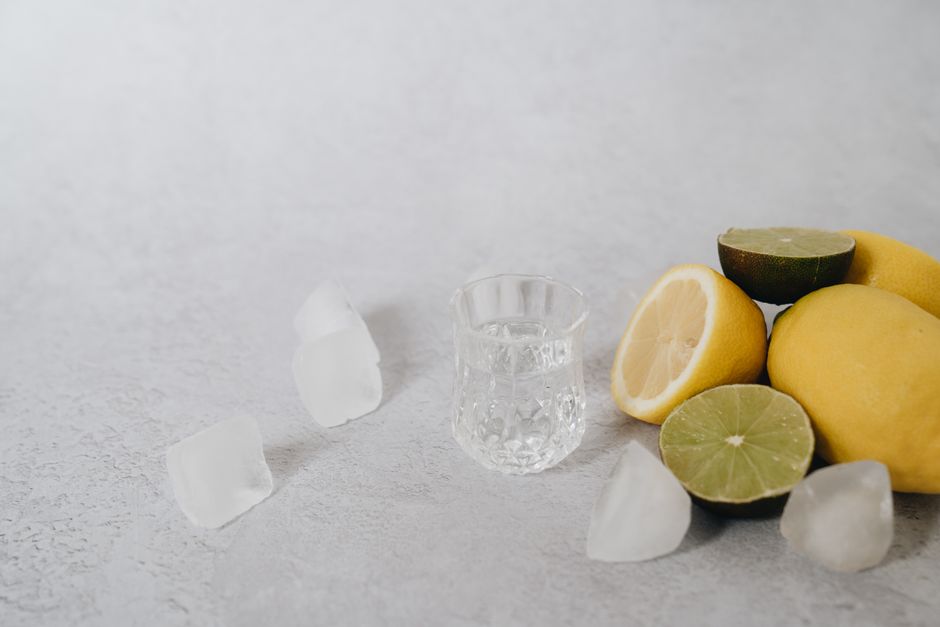
Lime oil captures the bright, sharp scent of fresh citrus peel. You can make it at home in three main ways: cold infusion in a carrier oil, heated infusion, or alcohol tincture. Each method has real limits, and one popular internet method — true steam distillation — is not practical in a home kitchen.
What Is Lime Oil, Exactly?
Two very different products get called “lime oil.” Knowing which one you are making matters.
The first is essential oil. This is a concentrated volatile oil pressed or distilled from the peel. It contains limonene and other aromatic compounds at high concentrations. It is not meant to be swallowed or applied to skin undiluted.
The second is infused oil, sometimes called lime-infused carrier oil. This is a base oil — olive, jojoba, sweet almond, sunflower — that has absorbed lime flavor and aroma. It is far weaker than essential oil but safe for cooking and skin use when made and stored properly.
When you make lime oil at home, you are almost always making an infused oil. True essential oil requires industrial equipment. A stovetop pot and a bowl of ice will not produce meaningful amounts of it.
That distinction matters because people read “lime oil” and picture a bottle of potent essential oil they can use for cleaning, diffusing, or adding to drinks. What they actually end up with is a mild infused oil. Both have uses. They are not interchangeable.
Method 1: Cold Infusion (Best for Flavor and Skin Use)
Cold infusion is the simplest method and the one least likely to go wrong. You steep lime peel in carrier oil at room temperature and let time do the work.
Here is the process:
- Wash 3 to 4 limes and dry them completely.
- Remove the zest with a peeler or fine grater. Avoid the white pith underneath — it adds bitterness, not flavor.
- Spread the zest on a plate and let it dry for a few hours. Dry peel infuses more cleanly and reduces the water content that shortens shelf life.
- Place the dried zest in a clean glass jar and cover with about 1 cup of carrier oil. Olive oil works for cooking. Jojoba or sweet almond oil works better for skin.
- Seal the jar and store it in a cool, dark place for 2 to 4 weeks. Shake it once a day.
- Strain through cheesecloth or a fine mesh strainer into a clean bottle.
Cold infusion preserves the delicate top notes of lime better than heat does. Heat drives off some of the volatile aroma compounds. This is why cold infusion tends to smell fresher and more like a cut lime.
The tradeoff is time and potency. A cold-infused oil is subtle. It works well in salad dressings, marinades, and as a massage oil. It will not deliver a strong citrus punch in baking.
One practical note: citrus oils go rancid faster than plain carrier oil. Make small batches. A cup at a time is plenty.
Method 2: Heated Infusion (Faster, Stronger Flavor)
Heated infusion speeds up the process dramatically. What takes weeks at room temperature takes a few hours with gentle warmth.
The key word is gentle. High heat destroys the aromatic compounds you are trying to capture and can make the oil taste cooked or flat.
A double boiler or a heat-safe bowl set over a pot of simmering water works well. The oil should never bubble or smoke.
- Combine dried lime zest and carrier oil in the top of a double boiler.
- Keep the water below a simmer — you want warmth, not boiling.
- Heat for 2 to 3 hours, stirring occasionally.
- Remove from heat and let the mixture cool completely.
- Strain and bottle.
Some people use a slow cooker on the lowest setting. This can work, but slow cookers vary widely in temperature. If the oil feels hot to the touch, it is too hot.
Heated infusion extracts more from the peel in less time, so the finished oil tastes stronger. It also pulls out more of the bitter compounds. If you leave too much pith on the zest, that bitterness becomes noticeable.
For cooking, heated infusion is usually the better choice. For skin products, cold infusion is gentler and preserves more of the fresh scent.




Method 3: Alcohol Tincture (Concentrated but Not an Oil)
This method does not produce oil. It produces a lime tincture — a concentrated alcohol extract of lime peel. It is worth including because it is often confused with lime oil, and because it is the closest a home kitchen gets to a concentrated lime extract.
You need high-proof alcohol. Food-grade ethanol or a neutral spirit like vodka works. The higher the alcohol content, the better the extraction.
- Pack a clean glass jar with dried lime zest.
- Cover completely with alcohol. The zest should stay submerged.
- Seal and store in a cool, dark place for 2 to 4 weeks, shaking daily.
- Strain through cheesecloth and bottle in a dark glass dropper bottle.
The result is potent and shelf-stable. A few drops flavor cocktails, desserts, and dressings. It is not suitable for people who avoid alcohol, and it should never be applied to skin undiluted.
Some people evaporate the alcohol off to concentrate the flavor further. This is risky at home. Alcohol vapor is flammable, and open-flame kitchen methods are not safe for this step.
Can You Make True Lime Essential Oil at Home?
No. Not in any practical sense.
Commercial lime essential oil is made by cold-pressing the peel or by steam distillation. Cold pressing requires industrial presses that separate oil from peel at scale. Steam distillation requires controlled steam and a condenser system to separate volatile oils from water vapor.
Some online tutorials show a pot with a lid, ice on top, and a bowl inside. The idea is that steam carries oil upward, hits the cold lid, and drips into the bowl. In practice, this yields mostly condensed water with trace amounts of oil. It is not a reliable way to produce essential oil, and the result is not concentrated enough to use the way commercial essential oil is used.
If you want true lime essential oil, buying it is the honest answer. Look for cold-pressed or steam-distilled oil from a reputable supplier. Quality varies, and price is not always a reliable signal of quality.
Safety and Storage Basics
Homemade infused oils carry a real risk that commercial products do not: botulism.
Garlic and herbs in oil are the classic culprits, but any fresh plant material introduced into an anaerobic (oxygen-free) oil environment can support the growth of Clostridium botulinum spores. Lime peel carries less risk than garlic, but the principle holds. This is why drying the zest before infusing matters, and why refrigerating homemade infused oils matters.
Store homemade lime-infused oil in the refrigerator. Use it within 1 to 2 weeks for maximum safety, or freeze it in small portions for longer storage. If it smells off, looks cloudy, or has visible growth, throw it out.
For skin use, do a patch test first. Citrus oils — even infused ones — can cause photosensitivity in some people. That means skin treated with lime oil may react more strongly to sunlight. This is a well-documented effect of certain citrus compounds, particularly furanocoumarins.
Never ingest homemade lime oil made with non-food-grade carrier oils. Never apply essential oil to skin undiluted. Never give lime oil products to infants or young children without checking with a pediatrician first.
Which Method Should You Use?
The right method depends on what you plan to do with the oil.
- For cooking and dressings: heated infusion gives the strongest flavor in the shortest time.
- For skin and massage: cold infusion is gentler and preserves the fresh scent.
- For cocktails and baking: alcohol tincture is the most concentrated option.
- For aromatherapy or cleaning: buy commercial essential oil. Home methods will not produce a comparable product.
None of these methods replicate what a commercial producer makes. That is not a failure of technique. It is a limit of what a home kitchen can do.
Frequently Asked Questions
How long does homemade lime oil last?
Refrigerated lime-infused oil lasts about 1 to 2 weeks. For longer storage, freeze it in small portions and use within a few months.
Can I use lime oil on my skin?
Infused lime oil diluted in a carrier oil is generally safe for most adults, but do a patch test first. Citrus compounds can cause photosensitivity, so avoid sun exposure on treated skin.
Can I make lime essential oil at home?
No. True essential oil requires cold pressing or steam distillation with industrial equipment. Home methods produce infused oil or tincture, not essential oil.
What is the best oil to use for lime infusion?
Olive oil works well for cooking, while jojoba or sweet almond oil is better for skin use. Choose a mild-flavored oil so the lime aroma comes through clearly.
