
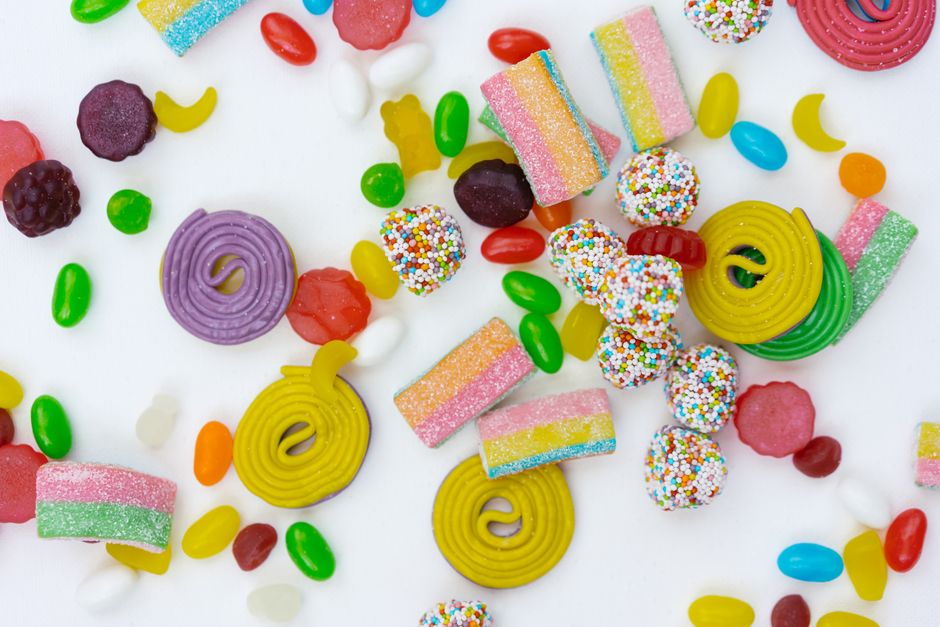
Hard licorice is not a lost cause. You can soften it again using a few simple kitchen methods that rehydrate the candy without ruining its texture. The four easiest ways are steaming, using a damp paper towel in the microwave, storing it with bread, or briefly heating it in an oven with steam. Each method works, but the best choice depends on how quickly you want results and whether you have fresh or dried-out licorice.
Why Does Licorice Get Hard?
Licorice dries out when it loses moisture to the air. Most licorice candies contain sugar, corn syrup, wheat flour, and licorice extract. Over time, especially if the package is opened or stored in a dry environment, water evaporates. The candy shrinks and hardens. This is a physical change, not a sign of spoilage. The licorice is still safe to eat as long as it has not developed mold or an off smell.
Once licorice hardens, you cannot reverse the chemical structure of the sugar. But you can reintroduce moisture. The key is to add enough water to soften the candy without making it sticky or soggy.
How To Make Licorice Soft Again 4 Easy Methods?
These four methods are the most reliable ways to restore softness. They rely on gentle heat and moisture. Do not use high heat or direct water contact, which will dissolve the candy or make it gluey.
Method 1: Steaming
Steaming is the gentlest method. Boil a small amount of water in a pot. Place the licorice in a heatproof bowl or on a steamer basket above the water, not in it. Cover the pot and steam for 30 seconds to 1 minute. Check the licorice. If it is still hard, steam for another 15-second intervals. Do not overdo it. The licorice should be soft and pliable. Let it cool for a minute before eating. Steam evenly rehydrates the candy without making it wet.
Method 2: Microwave with a Damp Paper Towel
This is the fastest method. Wrap the licorice in a clean, damp (not dripping) paper towel. Place it on a microwave-safe plate. Microwave on medium power for 10 to 15 seconds. Check the texture. If still firm, microwave for another 5-second bursts. The moisture from the towel creates steam inside the microwave. Do not microwave licorice for more than 30 seconds total or it may melt or become rubbery.
Method 3: Bread Storage
This method takes longer but works well for whole bags of licorice. Place the hard licorice in an airtight container with a slice of fresh bread. Seal the container and leave it for 12 to 24 hours. The bread releases moisture, which the licorice absorbs. The licorice softens gradually. Once soft, remove the bread. If the bread gets moldy, discard it and replace with a fresh slice. Do not leave the licorice with bread for more than 48 hours or it can become too moist.
Method 4: Oven with Steam
This method is good for larger batches. Preheat your oven to the lowest setting, usually 170°F to 200°F (about 75°C to 95°C). Place the licorice on a baking sheet lined with parchment paper. Place a small oven-safe dish of hot water on the bottom rack to create steam. Heat the licorice for 2 to 3 minutes. Check frequently. The warm, humid environment softens the candy. Do not heat longer than 5 minutes or it may melt.
Can You Soften Any Type of Licorice?
Most licorice can be softened using these methods. Soft licorice twists, black licorice, and red licorice all respond similarly because they share a sugar-and-flour base. However, chocolate-coated licorice or licorice with a hard candy shell may not soften evenly. The coating can melt or become sticky. For those, steaming is usually a better option than the microwave.
Some licorice brands have a naturally firmer texture. Softening them too much can make them mushy. Start with short times and small batches to avoid ruining the entire package.





How Long Does Softened Licorice Stay Soft?
Once you soften licorice, it will gradually dry out again if left exposed to air. The softened licorice may stay soft for a few hours to a day if stored properly. The best way to keep it soft is to place it in an airtight container with a piece of bread or a damp paper towel (replaced daily). Alternatively, refrigerate it in a sealed bag. Refrigeration slows moisture loss but can also cause condensation. To avoid that, let the licorice come to room temperature before opening the container.
Do not store softened licorice with bread for more than two days. The bread may mold, and the licorice can absorb mold spores. If you notice any mold on the licorice, throw it away. Moldy licorice is not safe to eat.
What Not to Do When Softening Licorice
Several common mistakes will ruin the licorice. Do not soak licorice in water. The sugar dissolves quickly, and you will end up with a sticky, slimy mess. Do not use high heat in the microwave or oven. Licorice melts at relatively low temperatures. Do not try to soften licorice by heating it in a pan on the stove — direct heat burns the sugar. Do not add oil or butter. Licorice does not absorb fat and will become greasy.
Also, do not re-soften licorice more than once. Each heating cycle changes the texture permanently. Once licorice has been softened and dried again, it becomes hard and brittle. It is better to soften only the amount you plan to eat.
Is It Safe to Eat Hard Licorice?
Yes. Hard licorice is safe to eat as long as it has no signs of mold, an off smell, or a sticky, slimy surface. Hardening is purely a loss of moisture. It does not indicate spoilage. However, very old licorice (past the expiration date) may lose flavor or develop a stale taste. That is not a safety risk but may be unpleasant.
If you have licorice that is extremely hard — like a rock — it may be difficult to chew and could damage teeth. In that case, soften it before eating by one of the methods above, or discard it.
Does Softening Change the Taste?
Softening does not significantly change the taste of licorice. The flavor may become slightly milder because some volatile compounds can evaporate during heating. The sugar structure remains the same. The texture improves, so the candy feels fresher. If the licorice was stale before softening, the stale taste will remain. For that reason, softening is best for licorice that is hard but still within its typical shelf life.
Frequently Asked Questions
Can you soften licorice in the microwave without a paper towel?
It is not recommended. Microwaving licorice alone without moisture can melt it or cause it to harden further. The damp paper towel provides the needed steam.
How long do you steam licorice to soften it?
Steam for 30 seconds to 1 minute initially, then check. Add 15-second intervals if needed. Oversteaming makes licorice sticky.
Will freezing licorice make it soft?
No. Freezing dries licorice further and can make it brittle. Always use gentle moisture and heat to soften licorice.
Can you soften licorice without heat?
Yes, the bread method works without heat. Place licorice in an airtight container with bread for 12 to 24 hours. It takes longer but does not require any appliance.
