
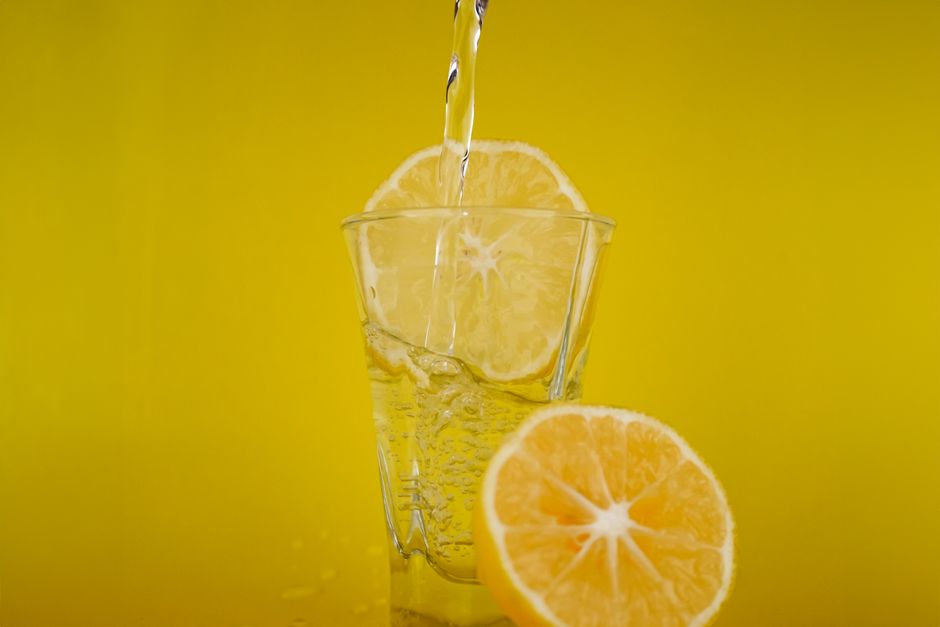
Lemon water is water with lemon juice added. That is the whole recipe. It does not burn fat, and no study has shown that it targets belly fat specifically. What it can do is replace higher-calorie drinks, help you stay hydrated, and give you a low-calorie habit that supports a calorie deficit — which is what actually reduces belly fat.
How Do You Make Lemon Water to Lose Belly Fat?
Squeeze half a lemon into a glass of water. That is the basic method. Some people use a full lemon, some prefer it warm, and some add ice. The temperature does not change how your body uses it.
A few practical notes:
- Use fresh lemon if you can. Bottled lemon juice often has added sugar or preservatives.
- One medium lemon has about 20 calories and roughly 2 grams of fiber if you eat the pulp.
- Skip added sugar, honey, or flavored syrups. Those add calories fast and cancel out the point.
- Cold or room temperature water both work. Warm water is fine too — it does not “melt” fat.
Drink it in place of soda, sweet tea, or juice. That swap is where the real benefit lives. A 12-ounce can of regular soda has about 39 grams of sugar and roughly 150 calories. Replacing one or two of those a day with lemon water can add up over weeks and months.
The lemon itself is not doing the fat-burning. The calorie reduction is.
Does Lemon Water Actually Burn Belly Fat?
No. There is no evidence that lemon water burns fat or targets abdominal fat. This is one of the most persistent myths in weight loss.
Lemon juice contains vitamin C and small amounts of antioxidants. Those are good for you in general. They do not trigger fat loss. No clinical trial has shown that drinking lemon water causes fat burning or spot reduction of any kind.
Spot reduction — the idea that a specific food or drink shrinks fat in one area — is not supported by evidence. Where your body stores fat and where it releases it first is largely determined by genetics, hormones, and overall energy balance. You cannot choose to lose fat only from your belly by drinking something.
What lemon water can do is help you drink more water. Staying hydrated supports normal body function. It can also help you feel fuller before a meal, which may reduce how much you eat. That is an indirect effect, not a direct fat-burning one.
Why Is Belly Fat Harder to Lose Than Other Fat?
Belly fat is not one thing. There are two main types, and they behave differently.
Subcutaneous fat sits just under the skin. You can pinch it. It is the softer fat around your waist and hips.
Visceral fat sits deeper, wrapped around your organs inside the abdomen. You cannot pinch it. It is linked to higher risk of heart disease, type 2 diabetes, and other metabolic conditions.
Visceral fat tends to respond to overall weight loss, but it does not disappear on its own schedule. It is also more common as people age, and it is influenced by hormones, sleep, stress, and genetics — not just diet.
This is why belly fat can feel stubborn. Your body is not choosing to keep it out of spite. It is a complex mix of biology, lifestyle, and time.
Lemon water does not change any of that. But the habits around it — drinking fewer sugary drinks, staying hydrated, eating fewer processed foods — can support the calorie deficit that reduces both types of fat over time.





What Actually Reduces Belly Fat?
A calorie deficit is the only proven way to lose fat, including belly fat. You need to take in fewer calories than you burn. How you do that matters less than whether you stick with it.
Research consistently shows that weight loss from any sustainable diet reduces visceral fat when overall weight comes down. The method — low-carb, Mediterranean, plant-based, or simple calorie counting — matters less than adherence.
Things that support fat loss:
- Protein at meals. Helps preserve muscle and keeps you full longer.
- Fiber from vegetables, fruit, and whole grains. Supports digestion and satiety.
- Regular movement. Both cardio and strength training help. Strength training preserves muscle while you lose fat.
- Sleep. Short sleep is linked to higher levels of hunger hormones and more belly fat over time.
- Stress management. Chronic stress raises cortisol, which is associated with more visceral fat storage.
None of these are quick. Most people see meaningful change over weeks to months, not days. A realistic rate of fat loss is about 1 to 2 pounds per week, according to general clinical guidance.
Lemon water fits into this picture as a replacement for higher-calorie drinks. It is not a treatment. It is a small habit that can make a bigger plan easier to follow.
Can Lemon Water Help With Bloating or Water Weight?
Lemon water may help you feel less bloated, but not by burning fat. Bloating is often related to digestion, sodium intake, or hydration status. Drinking more water can help your body release excess sodium and reduce water retention.
That is water weight, not fat. It can change how your belly looks and feels within a day or two. It does not change your body fat percentage.
Some people find that lemon water helps with digestion or regularity. The evidence for this is mostly anecdotal. There is no strong clinical trial showing lemon water improves digestion in a meaningful way for most people.
If you feel less puffy after drinking more water, that is a hydration effect. It is real, but it is not fat loss.
Are There Risks or Downsides to Lemon Water?
For most people, lemon water is safe. But there are a few things to know.
Lemon juice is acidic. Drinking it often, especially undiluted or in large amounts, can erode tooth enamel over time. This is a well-established dental concern. Using a straw and rinsing with plain water after drinking can help.
If you have acid reflux or GERD, lemon water may make symptoms worse. Citrus can relax the lower esophageal sphincter and increase stomach acid for some people.
Lemon juice can also irritate mouth sores or canker sores. If you are prone to those, you may want to skip it or dilute it heavily.
There is no clinical guideline for how much lemon water is safe or beneficial. No official recommendation exists for lemon water as a weight loss tool. The general guidance is to drink enough water to stay hydrated — roughly 9 cups a day for women and 13 cups for men, according to the National Academies of Sciences, Engineering, and Medicine. That includes water from all sources, not just lemon water.
If you take medications or have a health condition, talk to your doctor before making big changes to your diet or fluid intake.
What Is a Realistic Way to Use Lemon Water?
Use it as a replacement, not a magic addition. That is the most honest way to think about it.
Swap one sugary drink a day for lemon water. If you normally have two sodas, replace one. Over a week, that is a meaningful calorie reduction. Over a month, it can support gradual fat loss when combined with other habits.
Do not expect lemon water alone to change your belly. It will not. But it can be part of a plan that does.
Pair it with:
- Meals built around vegetables, lean protein, and whole grains.
- Regular physical activity you actually enjoy.
- Consistent sleep and stress management.
- A calorie intake that is slightly below what you burn.
That combination is what the evidence supports for reducing belly fat. Lemon water is a small, easy piece of it. Nothing more, nothing less.
Frequently Asked Questions
How much lemon water should I drink to lose belly fat?
There is no established dose of lemon water for fat loss. General hydration guidance suggests about 9 cups of total water daily for women and 13 cups for men, but lemon water itself has no proven fat-burning effect.
Can lemon water reduce belly fat overnight?
No. Fat loss does not happen overnight, and no drink can target belly fat specifically. Meaningful fat loss typically occurs over weeks to months with a sustained calorie deficit.
Is warm lemon water better than cold for weight loss?
No. Water temperature does not affect fat loss. Warm and cold lemon water have the same effect on your body — hydration and calorie replacement.
What should I avoid adding to lemon water?
Avoid sugar, honey, agave, and flavored syrups. These add calories and can cancel out the benefit of replacing a sugary drink with lemon water.
