
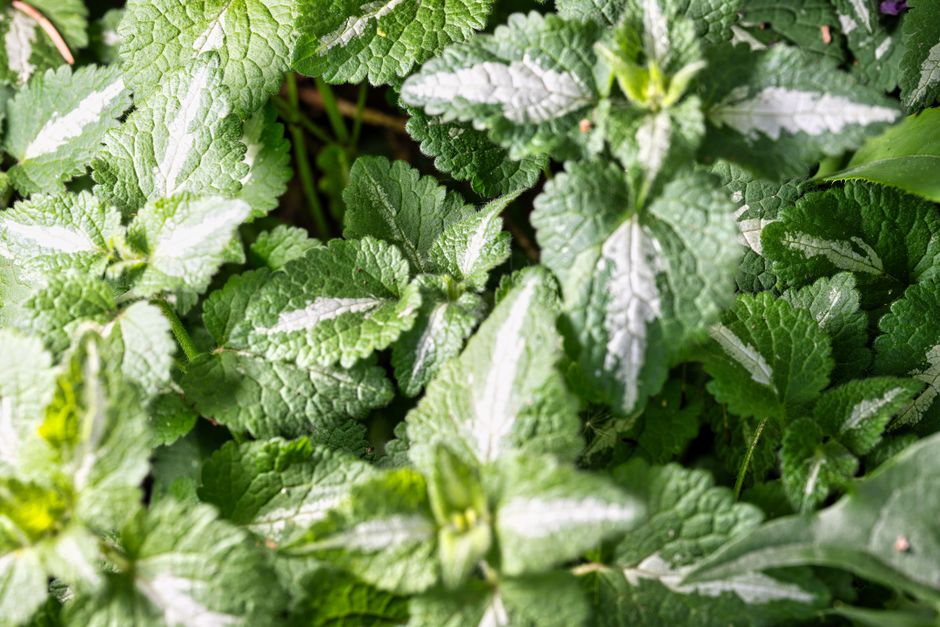
Lemon balm tea is a simple herbal drink made by steeping the leaves of the lemon balm plant in hot water. While it is not a fat burner, it can support weight loss efforts by reducing stress-related eating, improving sleep quality, and replacing high-calorie beverages. To make it, pour hot water over fresh or dried lemon balm leaves, steep for 5 to 10 minutes, and drink it plain or with a squeeze of lemon.
Does Lemon Balm Tea Actually Help With Weight Loss?
Lemon balm does not burn fat directly. No clinical study has shown that drinking this tea causes weight loss on its own. What the research does suggest is that lemon balm may influence two things that indirectly affect body weight: stress and sleep.
Chronic stress raises cortisol levels. High cortisol is linked to increased appetite, especially for sugary and high-fat foods. It also encourages fat storage around the abdomen. Lemon balm has a long history of use for calming nerves, and some clinical studies support its ability to reduce mild anxiety and improve mood. If stress drives your overeating, calming that response may help you make better food choices.
Sleep is the second factor. Poor sleep disrupts hunger hormones. It raises ghrelin, which makes you feel hungry, and lowers leptin, which signals fullness. Some research indicates lemon balm can improve sleep quality, particularly when combined with valerian root. Better sleep supports better appetite regulation.
The most direct way lemon balm tea helps weight loss is by replacing other drinks. If you swap a sugary soda or a latte for unsweetened lemon balm tea, you cut calories without feeling deprived.
What Is the Best Way to Make Lemon Balm Tea for Weight Loss?
The method matters less than consistency. The tea only works if you actually drink it. That said, proper steeping extracts the most flavor and beneficial compounds.
For dried lemon balm, use one teaspoon of dried leaves per cup of water. For fresh leaves, use about a quarter cup of loosely packed leaves. Heat water to just below boiling, around 200°F. Pour it over the leaves and cover the cup. Covering prevents volatile oils from escaping with the steam. Steep for 5 to 10 minutes. Strain and drink.
Longer steeping produces a stronger, slightly sedating tea. Shorter steeping gives a lighter, more refreshing flavor. Experiment to find what you prefer.
Do not add sugar or honey if weight loss is your goal. A teaspoon of honey adds about 21 calories and 6 grams of sugar. A squeeze of fresh lemon adds negligible calories and brightens the flavor.
Cold brew is another option. Place fresh leaves in cold water and refrigerate overnight. The result is smoother and less bitter than hot-steeped tea.
When Should You Drink Lemon Balm Tea for Best Results?
Timing depends on what you want the tea to do for you.
If stress-related snacking is your problem, drink a cup in the late afternoon. That is when cortisol often rises and willpower tends to dip. A calming cup at that point may interrupt the pattern of reaching for food to soothe stress.
If sleep is your issue, drink it about 30 to 60 minutes before bed. Lemon balm is mildly sedating. It does not knock you out, but it can help you wind down. Better sleep means better hunger hormone balance the next day.
Some people find lemon balm makes them slightly drowsy. If that happens to you, avoid drinking it before driving or operating machinery. Test your response on a weekend first.
There is no evidence that drinking it immediately before meals suppresses appetite. If that is your goal, you may be disappointed. The benefits are indirect and build over time through improved stress and sleep patterns.



How Much Lemon Balm Tea Is Safe to Drink Daily?
Lemon balm is generally recognized as safe when consumed as a tea. Most clinical studies have used extracts or supplements rather than tea, so there is no official daily limit for tea consumption specifically.
Common guidance suggests 1.5 to 4.5 grams of dried lemon balm per day when used medicinally. That translates to roughly 1.5 to 4.5 teaspoons of dried leaves spread across the day. Drinking 2 to 3 cups daily falls within typical usage ranges.
Side effects are rare but possible. Some people report nausea or stomach upset with larger amounts. Lemon balm may interact with sedatives and thyroid medications. If you take prescription medication, talk to your doctor before making lemon balm tea a daily habit.
Pregnant and breastfeeding women should be cautious. There is not enough research to confirm safety in these populations. No clinical guidelines currently exist for lemon balm use during pregnancy or while nursing.
What Does the Research Actually Say About Lemon Balm and Weight?
Direct research on lemon balm and weight loss is limited. Most studies focus on its effects on anxiety, sleep, and cognitive function. The weight connection is indirect.
Some studies have looked at lemon balm combined with other herbs for metabolic health. Results have been mixed. No large clinical trial has demonstrated that lemon balm alone produces meaningful weight loss.
What the evidence does support is that lemon balm can reduce anxiety in stressful situations. A well-known study published in a peer-reviewed journal found that participants who took lemon balm extract reported feeling calmer and more relaxed compared to placebo. These effects appeared within hours of taking the supplement.
Another line of research examined lemon balm for sleep. Some studies suggest it improves sleep quality when combined with valerian root. The evidence for lemon balm alone improving sleep is weaker but still promising.
The honest summary is this: lemon balm tea is not a weight loss tool in the way that dietary changes and exercise are. It is a supportive beverage that may help you manage stress and sleep better, which can make weight loss easier. Treat it as one small piece of a larger plan.
What Else Should You Combine With Lemon Balm Tea for Weight Loss?
Lemon balm tea works best as part of a broader approach. No tea replaces the fundamentals of weight management.
Prioritize these three things first:
- Calorie balance. Weight loss requires eating fewer calories than you burn. Tea cannot override a calorie surplus.
- Protein and fiber. These nutrients increase fullness and reduce overall intake. Include them at every meal.
- Regular movement. Walking, strength training, or any activity you enjoy supports calorie burn and metabolic health.
Use lemon balm tea as a replacement for higher-calorie drinks. This is where it has the most direct impact. Swapping one 150-calorie sugary drink for lemon balm tea saves over 1,000 calories per week. That alone can produce about a pound of weight loss per month, assuming nothing else changes.
Some people also find that the ritual of making tea creates a pause in their day. That pause can replace mindless snacking. The act of boiling water, steeping leaves, and sitting down with a warm cup takes five to ten minutes. That is five to ten minutes you are not eating.
Are There Better Herbal Teas for Weight Loss?
No herbal tea has strong clinical evidence for directly causing weight loss. Green tea is the most studied. It contains caffeine and catechins, which may slightly increase calorie burning. The effect is modest, and results vary between individuals.
Other popular options include peppermint tea for digestion, ginger tea for nausea and satiety, and dandelion tea for water retention. None of these burn fat. They all share one useful property with lemon balm: they replace caloric beverages.
If you enjoy lemon balm, drink it. If you prefer green tea, drink that. The best tea for weight loss is the one you will drink consistently instead of something with calories.
Frequently Asked Questions
How many cups of lemon balm tea should I drink daily for weight loss?
Two to three cups per day is a reasonable range based on typical medicinal usage of lemon balm. There is no clinical evidence that more cups produce faster weight loss.
Can I drink lemon balm tea on an empty stomach?
Yes, lemon balm tea is generally gentle on the stomach and can be consumed without food. If you notice nausea or stomach upset, drink it with meals instead.
Does lemon balm tea suppress appetite?
No clinical evidence shows that lemon balm directly suppresses appetite. It may reduce stress-related eating by promoting calm, but it is not an appetite suppressant.
Is it safe to drink lemon balm tea every day?
For most healthy adults, daily consumption of 2 to 3 cups is considered safe. Consult your doctor if you take sedatives, thyroid medication, or are pregnant or breastfeeding.
