
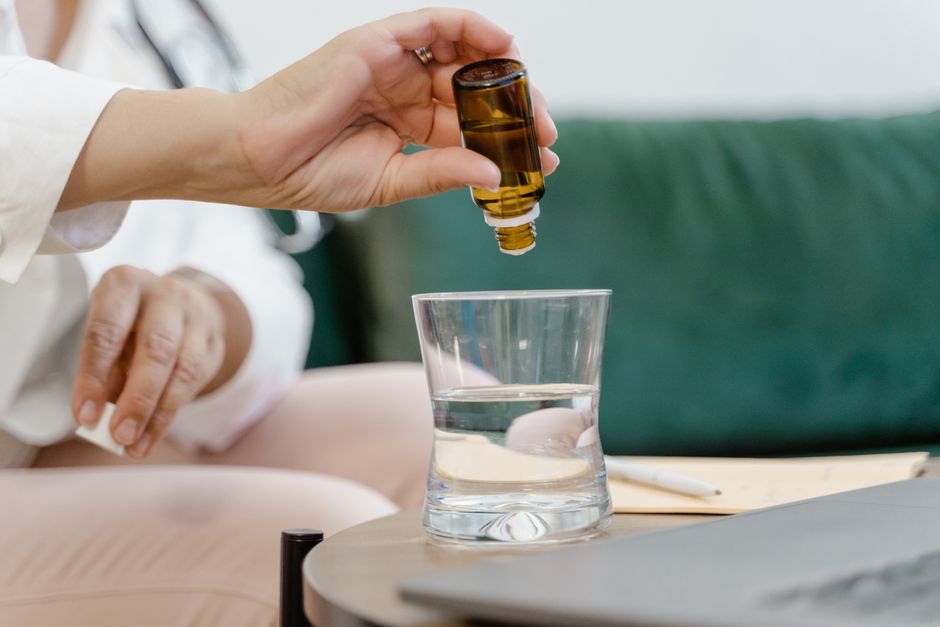
Making hydrogen peroxide gel at home is possible, but it requires careful attention to safety and the correct ingredients. The basic process involves mixing a 3% hydrogen peroxide solution with a thickening agent like carboxymethylcellulose sodium or xanthan gum. However, the resulting gel will not be sterile, and its concentration will be uncertain, which carries real risks for wound care. This guide explains the process, the safety concerns, and why store-bought versions are often the safer choice.
What Is Hydrogen Peroxide Gel Used For?
Hydrogen peroxide gel is commonly used as a mild antiseptic for minor cuts, scrapes, and burns. It works by releasing oxygen when it comes into contact with skin, which creates a foaming action that helps remove debris from a wound.
That foaming action does not mean the wound is being sterilized. Research has shown that hydrogen peroxide has limited effectiveness against bacteria in deeper tissues. The foam is mostly a physical reaction with the enzyme catalase found in your cells and blood.
Dilute hydrogen peroxide, typically at a 3% concentration, is the standard strength sold in pharmacies. Gels made for home use should never exceed this concentration. Higher strengths, like 35% food-grade hydrogen peroxide, are dangerous and can cause severe skin burns.
How To Make Hydrogen Peroxide Gel At Home
To make a simple hydrogen peroxide gel, you need three things: 3% hydrogen peroxide, a thickening agent, and distilled water. The most reliable thickener for this purpose is carboxymethylcellulose sodium, often sold as a powder online or in some pharmacies.
Here is the basic method:
- Mix one teaspoon of carboxymethylcellulose sodium powder with 100 milliliters of distilled water.
- Stir the mixture thoroughly and let it sit for 10 to 15 minutes. The powder will absorb the water and form a clear gel.
- Slowly add 100 milliliters of 3% hydrogen peroxide to the gel while stirring gently.
- Stir until the mixture is uniform. The result is a gel with roughly a 1.5% hydrogen peroxide concentration.
This dilution step matters. A 1.5% gel is gentler on skin than the standard 3% liquid. If you prefer a gel closer to the pharmacy strength, you can reduce the water and use more hydrogen peroxide, but the thickener may not dissolve as well.
Some people use xanthan gum as a thickener instead. Xanthan gum works but often produces a slipperier, less stable gel. It also tends to clump if not mixed rapidly. Aloe vera gel is sometimes suggested as a base, but aloe contains enzymes and sugars that can break down hydrogen peroxide quickly, making the gel ineffective within days.
Why Homemade Hydrogen Peroxide Gel Is Not Sterile
The biggest problem with homemade hydrogen peroxide gel is contamination. Commercial manufacturers produce these gels under sterile conditions. They use filtered air, sterilized equipment, and preservatives to keep the product safe.
When you make gel in your kitchen, you cannot guarantee sterility. Your mixing bowl, spoon, and even the water you use may introduce bacteria. Hydrogen peroxide does kill some bacteria, but not all of them, and not instantly.
Some bacteria, like Pseudomonas species, can actually survive and grow in dilute hydrogen peroxide solutions. This means your homemade gel could introduce bacteria into a wound rather than preventing infection.
If you choose to make this gel, use it only on intact skin, not on open wounds. For broken skin, a sterile saline solution or a commercial antiseptic is a safer choice.





What Is the Shelf Life of Homemade Hydrogen Peroxide Gel?
Hydrogen peroxide breaks down over time. Exposure to light, heat, and air accelerates this process. When hydrogen peroxide decomposes, it turns into water and oxygen gas. This is why the bottle fizzes when you open it.
A homemade gel without preservatives will lose its effectiveness faster than a commercial product. Most commercial hydrogen peroxide solutions are stable for about one year if stored properly. A homemade gel may only remain effective for a few weeks.
You can slow the breakdown by storing the gel in a dark glass bottle with a tight lid. Keep it in a cool place, away from direct sunlight. Never store it in a clear plastic container, as light will degrade it quickly.
To test if your gel is still active, pour a small amount onto a cut potato or a piece of raw meat. If it foams, it still has active hydrogen peroxide. If there is no reaction, the gel has degraded to mostly water and should be discarded.
Safety Risks and Precautions
Hydrogen peroxide gel is not safe to ingest. If swallowed, it can cause irritation to the mouth, throat, and stomach. In larger amounts, it can cause vomiting, abdominal pain, and even more serious complications. Keep the gel out of reach of children.
Do not use hydrogen peroxide gel on deep wounds, animal bites, or serious burns. The foaming action can push debris deeper into the tissue and damage new skin cells. For these types of injuries, seek medical attention.
Avoid contact with your eyes. Hydrogen peroxide causes immediate stinging and can damage the cornea. If the gel gets in your eyes, rinse with lukewarm water for at least 15 minutes and contact a healthcare provider.
Some people develop skin irritation or an allergic reaction to hydrogen peroxide. If you notice redness, itching, or a rash after applying the gel, stop using it and wash the area with plain water.
Store-Bought Alternatives to Consider
If you want the convenience of a hydrogen peroxide gel without the risks of making it at home, several commercial options exist. Pharmacies sell hydrogen peroxide gels and creams that are sterile, properly preserved, and labeled with a guaranteed concentration.
These products are regulated by the FDA and must meet strict quality standards. That means the concentration listed on the label is accurate, and the product is free from harmful contamination.
Another option is to skip the gel entirely. For minor wound cleaning, sterile saline solution is often recommended by healthcare professionals. It is gentle, does not damage tissue, and is widely available at pharmacies.
If you are looking for a wound care product that promotes healing, petroleum jelly applied after cleaning the wound can keep it moist and protected. This approach is supported by current wound care guidelines and is often more effective than antiseptic gels.
When To See a Doctor Instead
Hydrogen peroxide gel is only appropriate for very minor injuries. If you have a wound that is deep, bleeding heavily, or shows signs of infection, do not rely on home treatment.
Signs of infection include increasing pain, redness spreading around the wound, warmth, swelling, pus, or red streaks moving up the limb. A fever along with a wound can also indicate a serious infection that requires medical attention.
If you have diabetes or a condition that affects circulation, even minor wounds can become serious. Consult your healthcare provider before using any home treatment.
Frequently Asked Questions
Can I use aloe vera gel to make hydrogen peroxide gel?
No. Aloe vera contains enzymes that break down hydrogen peroxide, so the mixture loses its antiseptic properties quickly. Use carboxymethylcellulose sodium or xanthan gum instead.
How long does homemade hydrogen peroxide gel last?
It may stay effective for a few weeks if stored in a dark glass bottle in a cool place. Commercial products last about a year because they contain preservatives.
Is it safe to put homemade hydrogen peroxide gel on an open wound?
No. Homemade gel is not sterile and may contain bacteria. Use it only on intact skin, and choose sterile saline for open wounds.
What strength of hydrogen peroxide should I use for homemade gel?
Use only 3% hydrogen peroxide from a pharmacy. Higher concentrations, such as 35% food-grade peroxide, can cause severe chemical burns.
