
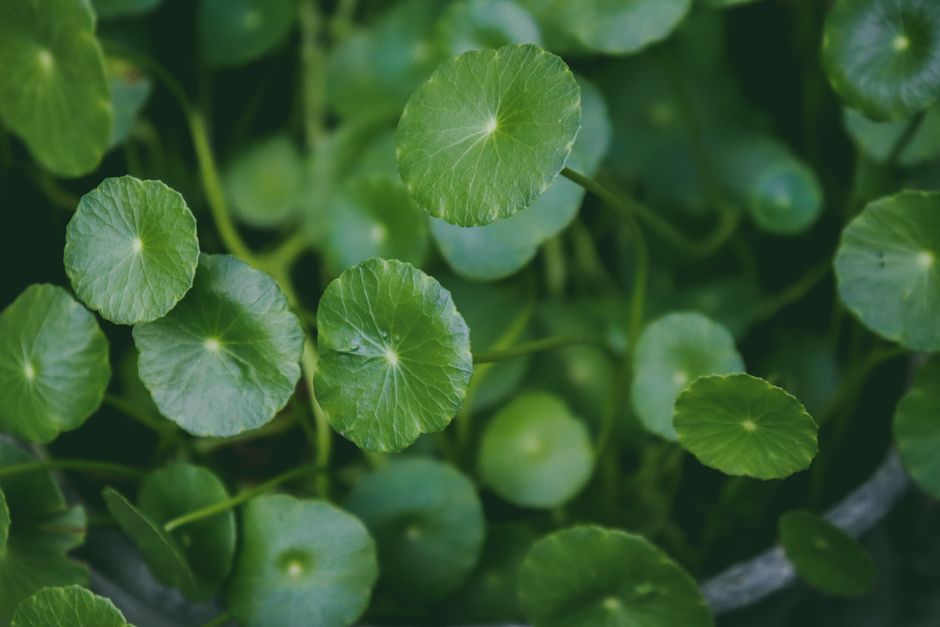
Gotu kola tea is simple to make whether you have fresh leaves or dried ones. For fresh leaves, use about 1 to 2 tablespoons of chopped leaves per cup of hot water. For dried leaves, use about 1 teaspoon per cup. Steep for 5 to 10 minutes, strain, and drink. The taste is mild and slightly earthy, similar to green tea but gentler.
What Is Gotu Kola and Why Do People Drink It?
Gotu kola is a leafy plant that grows in parts of Asia, including India, China, and Indonesia. Its botanical name is Centella asiatica. It has been used in traditional medicine systems like Ayurveda and traditional Chinese medicine for centuries.
People drink gotu kola tea for a few main reasons. Some use it to support memory and focus. Others use it for skin health or to help with mild anxiety. The plant contains compounds called triterpenoids, which researchers believe are responsible for many of its effects.
It is important to know that gotu kola is not the same as the kola nut. The kola nut contains caffeine and is used in cola drinks. Gotu kola does not contain caffeine. This distinction matters if you are sensitive to stimulants.
How To Make Gotu Kola Tea Fresh Or Dried Leaves: Step by Step
The process for making gotu kola tea is straightforward. You only need the leaves, hot water, and a way to strain the finished tea.
For fresh leaves:
- Rinse about 10 to 15 fresh leaves under cool water to remove dirt.
- Chop or tear the leaves into smaller pieces. This increases the surface area and helps release more of the plant compounds.
- Place the chopped leaves in a mug or teapot.
- Pour 1 cup of water that has just reached a boil over the leaves.
- Cover and steep for 5 to 10 minutes.
- Strain the leaves out and drink warm.
For dried leaves:
- Use 1 teaspoon of dried gotu kola leaves per cup of water.
- Place the dried leaves in a tea infuser or directly in your cup.
- Pour boiling water over the leaves.
- Steep for 5 to 10 minutes.
- Strain and enjoy.
The longer you steep, the stronger the tea will be. A longer steep also produces a more bitter flavor. Start with 5 minutes and adjust to your taste.
Fresh vs Dried Gotu Kola: Which Is Better?
Both fresh and dried gotu kola make a good tea. The choice comes down to availability and preference.
Fresh leaves have a slightly brighter, more vegetal taste. They also contain more moisture, which can change the extraction process. Some people find fresh leaf tea tastes milder and less bitter.
Dried leaves are more concentrated by weight. That is why you use less dried leaf than fresh leaf. Dried leaves are also easier to store and available year-round. Many online herb suppliers sell dried gotu kola if you do not have access to fresh plants.
There is no strong evidence that one form is more effective than the other. Both contain the same active compounds. The main difference is practical — fresh leaves require immediate use, while dried leaves keep for months if stored in a cool, dark place.





What Does the Research Say About Gotu Kola?
Research on gotu kola is growing but still limited in scope. Several small studies have looked at its effects on memory, anxiety, and circulation.
Some research suggests gotu kola may improve cognitive function in older adults. A few studies found improvements in memory and attention after taking gotu kola extract. However, most of these studies were small and used concentrated extracts, not tea.
Other research has examined gotu kola for anxiety. Some studies indicate it may reduce anxiety symptoms, possibly through effects on certain brain pathways. But the evidence is not strong enough to recommend it as a treatment for anxiety disorders.
The most consistent evidence for gotu kola relates to skin health. Several studies have found that creams containing gotu kola extract may help with wound healing and reduce the appearance of scars. This effect does not translate directly to drinking tea, since topical application delivers compounds directly to the skin.
No large, long-term human trials have confirmed that drinking gotu kola tea provides significant health benefits. The tea is generally considered safe for most people, but it is not a proven treatment for any medical condition.
Potential Side Effects and Who Should Avoid It
Gotu kola tea is generally well tolerated when consumed in moderate amounts. Most people drink 1 to 3 cups per day without problems.
Some people report mild side effects. These can include stomach upset, nausea, dizziness, or drowsiness. These effects are more common with higher doses or concentrated extracts.
Certain people should avoid gotu kola or talk to a doctor first:
- People taking sedatives or anxiety medications: Gotu kola may increase drowsiness when combined with these drugs.
- People with liver disease: A few case reports have linked gotu kola supplements to liver injury, though this is rare.
- People with diabetes: Gotu kola may affect blood sugar levels in some studies.
- People scheduled for surgery: Gotu kola may interact with anesthesia or affect blood sugar control during surgery. Stop using it at least two weeks before a scheduled procedure.
No clinical guidelines currently exist for gotu kola use during pregnancy or breastfeeding. Because of the lack of safety data, most healthcare providers advise against using gotu kola in these situations. If you are pregnant or nursing, it is safest to avoid gotu kola tea.
How Much Gotu Kola Tea Is Safe to Drink?
There is no official recommended daily dose for gotu kola tea. Clinical studies have used various doses of extracts, but these do not translate directly to tea.
A reasonable approach is to start with one cup per day and see how your body responds. If you tolerate it well, you can increase to two or three cups. Most traditional use involves drinking one to two cups daily.
More is not better. Higher doses increase the risk of side effects without adding clear benefits. If you take any medication, talk to your pharmacist or doctor about possible interactions before making gotu kola tea a regular habit.
How To Dry Fresh Gotu Kola Leaves at Home
If you have access to fresh gotu kola plants, you can dry the leaves yourself. This extends their shelf life and gives you a steady supply for tea.
Harvest healthy leaves on a dry day. Rinse them gently and pat them dry with a clean towel. Spread the leaves in a single layer on a drying rack or baking sheet lined with paper towels.
Place them in a warm, dry, dark area with good air circulation. A pantry or a room with a fan works well. The leaves are dry when they crumble easily between your fingers. This usually takes 5 to 10 days depending on humidity.
Once dry, store the leaves in an airtight glass jar. Keep the jar in a cool, dark place away from direct sunlight. Properly stored dried gotu kola leaves can last up to a year.
You can also use a food dehydrator set to a low temperature. Do not use an oven, as the heat can destroy the plant compounds.
Flavor Tips and What To Add to Gotu Kola Tea
Gotu kola tea has a mild, earthy flavor that some people describe as slightly grassy. It is not bitter like some herbal teas, but it also lacks sweetness.
You can drink it plain, but many people prefer to enhance the taste. A small amount of honey or maple syrup adds natural sweetness. A slice of lemon or a few mint leaves brightens the flavor.
Some people combine gotu kola with other herbs. Ginger, tulsi (holy basil), or chamomile are common pairings. These combinations are safe for most people, but they change the flavor and potential effects. If you are new to herbal teas, start with plain gotu kola before adding other ingredients.
Frequently Asked Questions
Can you drink gotu kola tea every day?
Yes, most people can drink 1 to 2 cups of gotu kola tea daily without problems. If you take medications or have health conditions, check with your doctor first.
Does gotu kola tea contain caffeine?
No, gotu kola does not contain caffeine. It is not related to the kola nut used in cola drinks.
How long should you steep gotu kola tea?
Steep gotu kola tea for 5 to 10 minutes. Steeping longer makes a stronger, more bitter tea.
Can gotu kola tea help with anxiety?
Some small studies suggest gotu kola may reduce anxiety symptoms, but the evidence is not strong enough to recommend it as a treatment. Talk to a healthcare provider about proven treatments for anxiety.
