
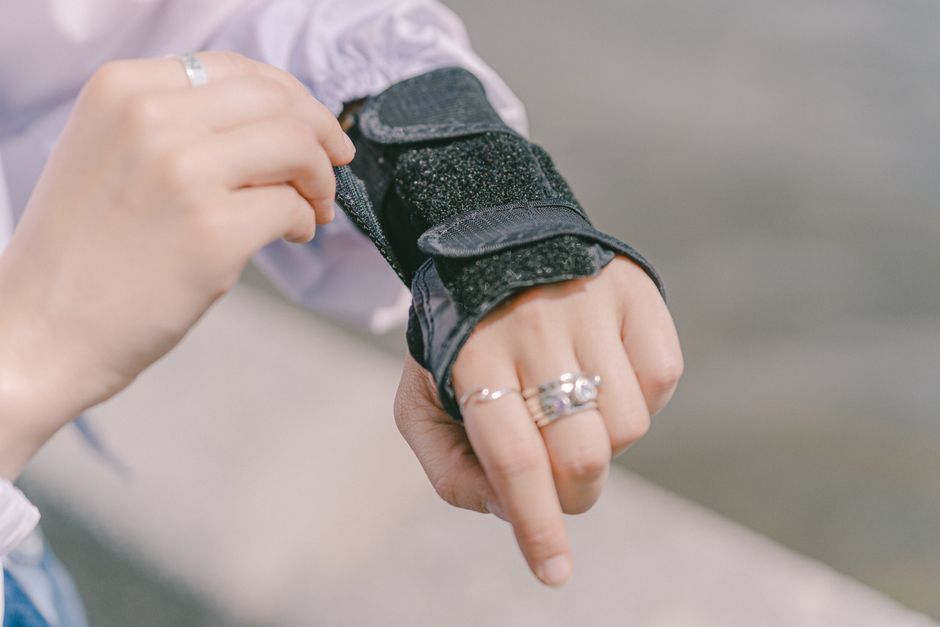
A wrist brace collects sweat, dead skin, and bacteria every time you wear it. If you do not clean it, it starts to smell and can irritate your skin. The good news is that most wrist braces are easy to care for at home. The exact method depends on the materials, but a simple routine of hand washing, air drying, and spot cleaning will keep most braces fresh and functional.
Why Does A Wrist Brace Get Smelly So Fast?
The skin on your wrist and forearm has a high number of sweat glands. When you wear a brace, it traps that moisture against your skin. Bacteria that naturally live on your skin feed on the sweat and dead skin cells. Their waste products are what cause the odor.
This is not a sign that you are dirty. It is simply what happens when you trap warmth and moisture in a confined space. The tighter the brace, the faster this happens. Neoprene braces are the worst offenders because that material holds heat. Fabric and mesh braces breathe better but still need regular washing.
Check The Label Before You Do Anything
Before you clean any wrist brace, look for the manufacturer’s care label. It is usually sewn into the fabric or printed on the inside. The label will tell you if the brace is machine washable or hand wash only.
If the label is missing or unreadable, use the cautious method. Hand washing in cool water with mild soap works for nearly every brace on the market. Machine washing can damage the metal or plastic stays that give the brace its structure. Those stays keep your wrist in the correct position. If they bend or break, the brace stops working.
How To Clean A Wrist Brace By Hand
Hand washing is the safest method for most braces. It gives you control and protects the internal support structures.
Fill a sink or basin with cool or lukewarm water. Do not use hot water. Heat can warp plastic stays and shrink fabric. Add a small amount of mild detergent. A gentle laundry soap or a drop of dish soap works well. Do not use bleach or fabric softener. Bleach breaks down elastic, and fabric softener leaves a residue that can irritate skin.
Submerge the brace and gently squeeze it. Do not twist or wring it. Twisting can permanently deform the shape. Focus on the areas that touch your skin the most. Those are the parts that hold the most sweat and oil.
Rinse thoroughly in cool water until all the soap is gone. Soap residue left in the brace can cause a rash the next time you wear it.





Can You Machine Wash A Wrist Brace?
Some braces are labeled machine washable. If yours is, place it inside a mesh laundry bag first. This protects the straps and hooks from getting snagged on other clothes.
Use cold water and the gentle or delicate cycle. Skip the spin cycle if your machine allows that option. High-speed spinning can bend the stays. Use a mild detergent only. No bleach, no fabric softener, no stain removers.
Never put a wrist brace in the dryer. The heat will damage elastic, shrink fabric, and can melt or warp plastic components. Air drying is the only safe method.
How To Dry A Wrist Brace Properly
After washing, gently press the brace between two clean towels to remove excess water. Do not wring it out. Lay it flat on a dry towel in a well-ventilated area. Keep it out of direct sunlight. Sunlight can fade colors and degrade elastic over time.
Do not use a hair dryer, radiator, or space heater to speed things up. High heat is the fastest way to ruin a brace. Most braces dry completely within 12 to 24 hours when left at room temperature.
If you only wear the brace at night, wash it in the morning and it will be ready by bedtime. If you wear it all day, plan to wash it on a day off or have a second brace to rotate.
Spot Cleaning Between Full Washes
Full washing is not always practical. If you only need to freshen up the brace between washes, spot cleaning works well.
Mix a tiny amount of mild detergent with water. Dip a clean cloth in the mixture and wring it out well. Wipe down the inside of the brace where it touches your skin. Pay attention to the edges and seams where sweat collects. Then wipe again with a cloth dipped in plain water to remove any soap residue.
For odor control between washes, you can lightly mist the inside of the brace with a mix of water and a few drops of white vinegar. Vinegar neutralizes odors. Let it air dry completely before wearing. Test this on a small area first, because vinegar can affect some dyes.
How Often Should You Wash A Wrist Brace?
There is no universal schedule, but a practical rule is to wash it every one to two weeks with regular use. If you sweat heavily, exercise in the brace, or wear it all day, wash it more often. If you only wear it a few hours at night, you can stretch the time between washes.
The most reliable signal is smell. If you can smell the brace when you take it off, it needs washing. Do not wait for visible stains. Odor means bacteria have multiplied, and that bacteria sits against your skin all day.
Wearing a thin cotton sleeve or liner under the brace can also extend the time between washes. The liner absorbs the sweat, and you can wash the liner daily. This is a common approach for people who wear braces for long periods.
What Not To Do When Cleaning A Wrist Brace
A few common mistakes can ruin a brace quickly.
Do not soak the brace for hours. A long soak can break down adhesives and weaken the fabric. A few minutes of gentle washing is enough.
Do not use hot water. Heat is the single most common cause of brace damage.
Do not put the brace in the dryer, even on low heat.
Do not use harsh chemicals. Bleach, hydrogen peroxide, and rubbing alcohol can degrade the materials. They also leave residues that can burn or irritate skin. Alcohol-based disinfectant wipes might seem convenient, but they can dry out and crack neoprene and elastic.
Do not fold or bend the brace when storing it. Store it flat or rolled loosely. Folding creates creases that can press into your wrist and cause discomfort.
How To Keep A Wrist Brace Fresh Longer
Prevention is easier than deep cleaning. Let the brace dry fully after each wear before putting it in a drawer or bag. A damp brace left in a dark place grows bacteria and mold quickly.
Do not wear the brace over broken or irritated skin. The trapped moisture can make a small rash much worse. If you have an open wound, talk to your doctor before wearing the brace.
If your brace has removable padding or liners, wash those parts more often than the shell. They are the parts that touch your skin directly.
Consider rotating between two braces if you wear one daily. This gives each brace time to fully dry and air out between uses. It also means you never have to rush a wash cycle.
Frequently Asked Questions
Can I put my wrist brace in the washing machine?
Only if the care label says it is machine washable. Use a mesh bag, cold water, and the gentle cycle, then air dry completely.
How do I get the smell out of my wrist brace?
Wash it in cool water with mild detergent, then air dry fully. For quick odor control between washes, mist the inside with a diluted white vinegar solution and let it dry completely.
Can I dry my wrist brace in the dryer?
No. The heat can warp plastic stays, shrink fabric, and damage elastic. Always air dry the brace flat at room temperature.
How often should I wash my wrist brace?
Every one to two weeks with regular use, or sooner if it develops an odor. Wash it more often if you sweat heavily or wear it all day.
