
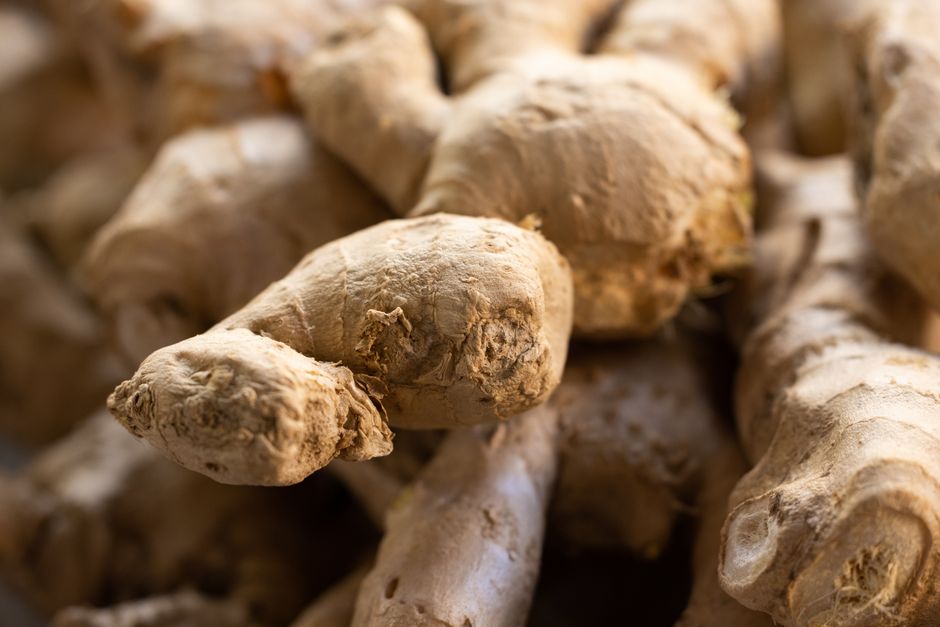
Ginger tea is one of the most commonly recommended home remedies for gastritis discomfort. To make it, steep fresh sliced ginger root in hot water for 5 to 10 minutes, strain, and drink it warm. This simple preparation delivers ginger’s natural compounds directly to the digestive tract, which some research suggests may help soothe irritation.
How To Make Ginger Tea For Gastritis Relief
Start with fresh ginger root rather than dried powder if you can. Fresh ginger contains higher levels of gingerols, the active compounds studied for their anti-inflammatory properties.
Peel a piece of ginger about the size of your thumb. Slice it thinly — thinner slices release more of the beneficial compounds into the water. Place the slices in a mug and pour boiling water over them. Let it steep for 5 to 10 minutes. The longer it steeps, the stronger and more pungent the tea becomes. Strain and drink warm.
You can make a larger batch by simmering sliced ginger in a pot of water for 10 minutes. This creates a more concentrated tea that you can store in the refrigerator for up to two days. Reheat gently before drinking.
Why Ginger May Help With Gastritis
Gastritis is inflammation of the stomach lining. It can be caused by infection, prolonged use of certain pain medications, excessive alcohol, or stress. The hallmark symptoms are burning stomach pain, bloating, nausea, and a feeling of fullness.
Ginger contains bioactive compounds called gingerols and shogaols. Laboratory studies have shown these compounds have anti-inflammatory effects. Some human studies suggest ginger may help reduce nausea and support digestive function.
However, the evidence specifically for ginger tea as a treatment for gastritis is limited. Most of the research on ginger and stomach inflammation has been done in animals or in laboratory settings. A few small human studies have looked at ginger for nausea and indigestion, but none have definitively proven that ginger tea heals gastritis.
That does not mean ginger tea is useless. Many people find it soothing. The warm liquid itself can be calming to an irritated stomach. But ginger is not a replacement for medical treatment if your gastritis is caused by an infection like H. pylori or by long-term use of anti-inflammatory drugs.
How Much Ginger Tea Should You Drink?
There is no official clinical guideline for how much ginger tea to drink for gastritis. Most culinary and traditional recommendations suggest 1 to 3 cups per day. That range appears reasonable based on typical amounts used in studies of ginger for nausea and digestion.
Start with one cup and see how your stomach responds. Some people find ginger tea too stimulating on an empty stomach, which can actually worsen irritation. If that happens, try drinking it after a small meal or snack.
If you take blood-thinning medications or have gallstones, talk to your doctor before using ginger regularly. Ginger can interact with certain medications, including anticoagulants like warfarin. High doses of ginger may also increase bleeding risk during surgery, so stop using it at least two weeks before any scheduled procedure.





What To Add To Ginger Tea For Gastritis
Plain ginger tea is the safest choice when your stomach is irritated. Adding other ingredients can change how the tea affects you.
Honey is a common addition. Some research suggests honey has antibacterial properties and may help coat the throat, but there is no strong evidence it specifically helps gastritis. If you enjoy the taste, a small spoonful is unlikely to cause harm.
Lemon is more problematic. Lemon is highly acidic, and acidic foods and drinks can aggravate an already inflamed stomach lining. If lemon makes your symptoms worse, skip it.
Mint is another popular tea addition, but it may relax the lower esophageal sphincter, which can worsen acid reflux. If your gastritis is accompanied by heartburn, peppermint tea might not be the best choice.
A small amount of turmeric is sometimes added to ginger tea. Turmeric contains curcumin, which has anti-inflammatory properties. Some studies suggest curcumin may help with digestive conditions, but the evidence for gastritis specifically is still emerging. If you try it, use a pinch — large amounts can cause stomach upset in some people.
When Ginger Tea Is Not Enough
Ginger tea can be a helpful part of managing mild gastritis symptoms, but it does not address the underlying cause. If your gastritis is caused by an H. pylori bacterial infection, you need antibiotics prescribed by a doctor. No amount of ginger tea will eliminate that infection.
If your gastritis comes from taking nonsteroidal anti-inflammatory drugs like ibuprofen or naproxen, stopping or changing those medications under medical supervision is the real treatment. Ginger tea can only mask some of the discomfort.
See a doctor if you experience any of these warning signs:
- Blood in your vomit or stool
- Stool that appears black or tarry
- Severe or worsening abdominal pain
- Unexplained weight loss
- Symptoms lasting more than a week despite home care
These symptoms can indicate bleeding or a more serious condition that requires prompt medical evaluation.
Other Lifestyle Changes That Help Gastritis
Ginger tea works best as part of a broader approach to calming your stomach. Several dietary and lifestyle habits are more strongly supported by evidence than any single herbal tea.
Eating smaller, more frequent meals puts less pressure on your stomach than large meals. Avoiding spicy, fried, or highly acidic foods reduces direct irritation. Waiting at least three hours between your last meal and lying down helps prevent acid from backing up into your esophagus.
Reducing alcohol intake and quitting smoking are two of the most effective changes you can make. Both alcohol and tobacco directly damage the stomach lining and slow healing.
Stress management also matters. The stomach and brain are connected through the vagus nerve, and chronic stress can increase stomach acid production and inflammation. Gentle exercise, adequate sleep, and relaxation techniques like deep breathing may help reduce symptom flare-ups.
Ginger Tea vs. Other Remedies
Several other natural remedies are commonly suggested for gastritis, and it helps to know how they compare to ginger tea.
Chamomile tea is a popular alternative. Chamomile has mild anti-inflammatory properties and is generally well tolerated. Some research suggests it may help with digestive discomfort, though specific studies on gastritis are limited.
Slippery elm is another traditional remedy. It contains mucilage, a gel-like substance that may coat and soothe the stomach lining. Some clinicians recommend it for digestive irritation, but large clinical trials have not confirmed its effectiveness.
Licorice root, particularly deglycyrrhizinated licorice, has been studied for digestive conditions. Some research suggests it may help protect the stomach lining. However, regular licorice can raise blood pressure and cause other side effects, so it should only be used under medical supervision.
Ginger tea has an advantage over many of these options because it is widely available, inexpensive, and generally safe in moderate amounts. It also provides the added benefit of nausea relief, which is common with gastritis.
Can Ginger Tea Make Gastritis Worse?
Yes, in some cases. Ginger is a mild irritant to the stomach lining for certain people. It stimulates gastric acid production, which can aggravate symptoms if your stomach is already inflamed.
If you feel more burning or discomfort after drinking ginger tea, stop using it. Your body is telling you something. Not every remedy works for every person, and gastritis has multiple causes that respond differently to treatment.
Also be aware that very strong ginger tea can cause heartburn or indigestion in some people. If this happens, try a shorter steeping time or a smaller amount of ginger. If symptoms persist, choose a different remedy.
Frequently Asked Questions
How long should I steep ginger tea for gastritis?
Steep fresh sliced ginger in boiling water for 5 to 10 minutes. Longer steeping creates a stronger tea that may be more irritating to a sensitive stomach.
Can I drink ginger tea on an empty stomach with gastritis?
Some people find ginger tea on an empty stomach worsens irritation because ginger stimulates stomach acid production. Try drinking it after a small meal or snack instead.
How many cups of ginger tea can I drink per day for gastritis?
Most recommendations suggest 1 to 3 cups per day, but no official clinical guideline exists. Start with one cup and adjust based on how your stomach responds.
Is ginger tea better than antacids for gastritis?
No. Antacids are proven to neutralize stomach acid and are backed by clinical guidelines. Ginger tea may provide mild relief, but it is not a substitute for medication when symptoms are moderate to severe.
