
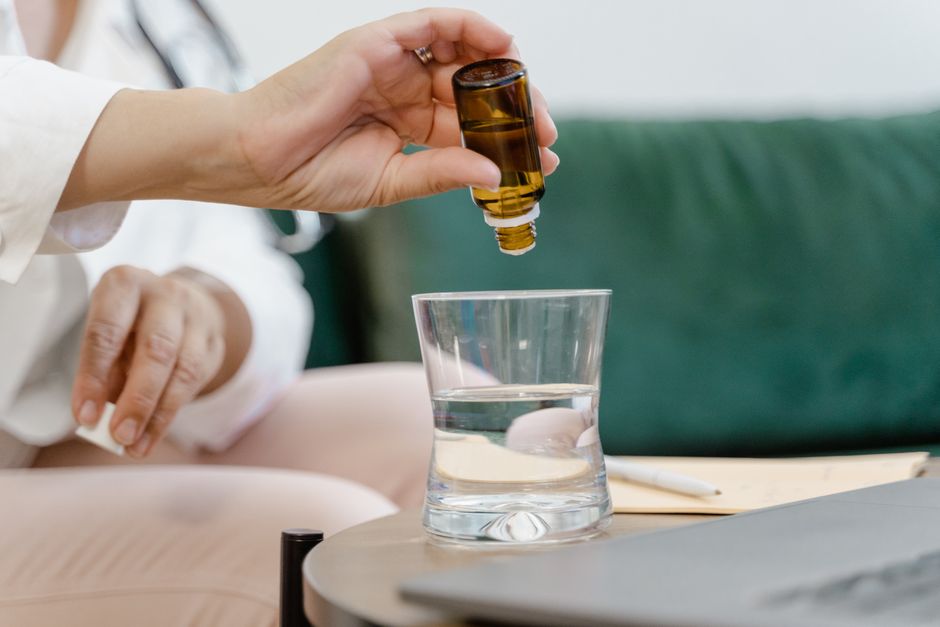
Making fulvic acid at home is not a reliable do-it-yourself project. True fulvic acid is extracted from decomposed organic matter like humus or shilajit using specific laboratory processes that are hard to replicate safely in a kitchen. What most people can make at home is a liquid soil extract called “compost tea” or a homemade humic substance solution, but this is not purified fulvic acid.
What Is Fulvic Acid Actually?
Fulvic acid is a natural compound formed when microorganisms break down plant and animal material over long periods. It belongs to a group of substances called humic compounds, which also includes humic acid and humin.
Fulvic acid is the smallest and most soluble of these molecules. This small size is why it can dissolve easily in water across a wide range of pH levels. In soil, fulvic acid helps transport nutrients to plant roots. In the human body, some researchers believe it may help carry minerals across cell membranes, though human studies remain limited.
Commercially available fulvic acid supplements are typically derived from shilajit, a resin found in Himalayan rocks, or from ancient plant deposits like leonardite. These sources undergo processing to isolate and concentrate the fulvic fraction.
Why Home Extraction Is Not Recommended
DIY extraction methods found online usually involve soaking compost, soil, or humus in water with an acid or base, then filtering the liquid. The problem is that this process does not isolate fulvic acid from the hundreds of other compounds also present in decaying organic matter.
What you get from home methods is a complex mixture containing fulvic acid, humic acid, tannins, plant hormones, bacteria, fungi, and potentially harmful contaminants. This mixture is not equivalent to a standardized fulvic acid supplement.
Untreated organic matter can harbor pathogens like E. coli or Salmonella, especially if the source material came from manure or unsanitary conditions. Consuming an unpurified extract carries a genuine infection risk. No home filtration method reliably removes these pathogens.
There is also no way to measure the concentration of fulvic acid in a homemade batch. Commercial products are tested for purity and heavy metal content. A home extract has no quality control whatsoever.
How To Make Fulvic Acid At Home Step By Step: The Compost Tea Alternative
If your goal is to improve your garden soil rather than consume a supplement, you can make a liquid extract from compost that contains some fulvic and humic substances. This is not pure fulvic acid, but it is a safe and useful soil amendment.
Here is the basic process for making aerated compost tea:
- Start with fully finished compost that has no recognizable food scraps and smells earthy, not rotten.
- Fill a clean 5-gallon bucket with dechlorinated water. Let tap water sit out for 24 hours so chlorine evaporates, or use rainwater.
- Add 2 to 4 cups of finished compost. Place it in a mesh bag or nylon stocking for easier removal later.
- Add an aquarium pump with an air stone to keep the water oxygenated. This encourages beneficial aerobic bacteria and prevents harmful anaerobic growth.
- Let it brew for 24 to 48 hours, stirring occasionally.
- Turn off the pump and remove the compost bag. Use the liquid on your garden within a few hours.
This compost tea contains organic matter and beneficial microbes, but it is not concentrated fulvic acid. The fulvic content is low and unmeasured. Use it as a soil conditioner, not as a precision nutrient product.



What About Making Humic Acid Solution From Leonardite?
Some gardening sources describe extracting humic substances from leonardite, a soft brown coal-like material rich in oxidized organic matter. This process is more involved but still does not yield pure fulvic acid.
The typical method involves mixing powdered leonardite with water and potassium hydroxide to raise the pH. This dissolves humic acids into a dark liquid. The mixture must then be filtered repeatedly.
Potassium hydroxide is a caustic chemical that can cause serious skin and eye burns. Handling it without proper protective equipment is dangerous. Even after dilution, the resulting solution is a crude mix of humic and fulvic acids along with mineral salts.
For gardening purposes, this crude extract may improve soil structure and nutrient retention. For human consumption, it is absolutely not appropriate. The lack of purification means heavy metals and other contaminants remain in the solution.
Risks of Consuming Homemade Fulvic Acid
The human body has no established dietary requirement for fulvic acid. The evidence for health benefits comes mostly from small studies and traditional use of shilajit, not from large clinical trials.
Consuming homemade extracts introduces several specific risks:
- Pathogen exposure: Unpasteurized organic extracts can contain harmful bacteria.
- Heavy metal contamination: Fulvic acid binds to metals in the soil, including lead, arsenic, and mercury. Without laboratory testing, you cannot know what is in your extract.
- Unknown concentration: You have no idea how strong the mixture is, making it impossible to dose safely.
- Drug interactions: Fulvic acid may affect how the body absorbs medications. This interaction is unpredictable with an unstandardized product.
No clinical guidelines exist for homemade fulvic acid consumption. The evidence base simply does not support it.
Commercial Fulvic Acid: What To Look For
If you want to try fulvic acid as a supplement, commercial products offer some advantages over home attempts. Reputable manufacturers test for heavy metals and microbial contamination.
Look for products that specify the source, such as shilajit-derived or leonardite-derived. Check whether the product lists a concentration of fulvic acid on the label. Third-party testing certifications add another layer of assurance.
Be cautious with marketing language. Terms like “detoxifying” or “energy-boosting” are not regulated health claims. Some studies suggest fulvic acid has antioxidant properties, but no large human trials have confirmed specific health benefits.
Talk to your doctor before starting any new supplement, especially if you take prescription medications or have a chronic condition. Fulvic acid can theoretically alter mineral absorption and drug metabolism in ways that are not fully understood.
The Bottom Line on DIY Fulvic Acid
Making true fulvic acid at home is not feasible with standard kitchen equipment. The chemical extraction and purification steps require laboratory conditions that home setups cannot match.
For gardeners, compost tea is a safe and beneficial alternative that provides some humic substances along with beneficial microbes. For supplement users, purchasing a tested commercial product from a reputable manufacturer is the only reasonable option.
Do not consume homemade extracts from compost, soil, or leonardite. The contamination risks outweigh any potential benefit, and the evidence for health effects remains too weak to justify those risks.
Frequently Asked Questions
Can I make fulvic acid from compost in my backyard?
You can make compost tea from backyard compost, but it is not purified fulvic acid. The liquid contains a mix of organic compounds and microbes with an unmeasured fulvic content.
Is it safe to drink homemade fulvic acid?
No, drinking homemade fulvic acid extracts is not safe. Home methods cannot remove pathogens or heavy metals, and no quality testing is possible outside a laboratory.
What is the difference between humic acid and fulvic acid?
Fulvic acid molecules are smaller and more soluble in water at all pH levels than humic acid molecules. This smaller size is why fulvic acid is more readily absorbed in biological systems.
Where does commercial fulvic acid come from?
Commercial fulvic acid is typically extracted from shilajit resin found in Himalayan rock formations or from leonardite, a type of oxidized lignite coal. Both sources undergo laboratory processing to concentrate the fulvic fraction.
