
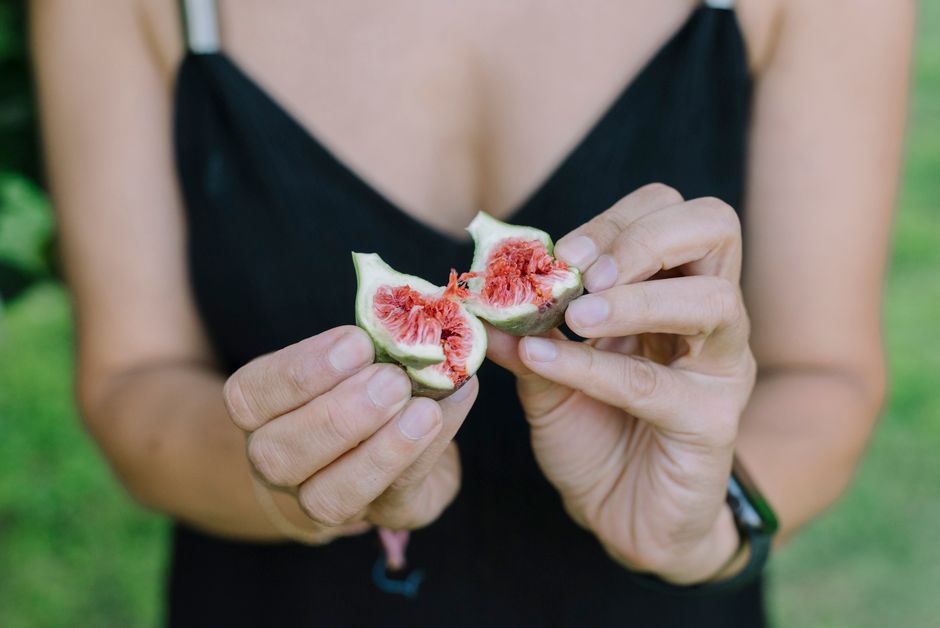
Making fig wine at home means fermenting fresh figs with sugar, water, yeast, and an acid balance that keeps the brew safe and drinkable. You crush or chop ripe figs, combine them with a sugar-water base, add wine yeast and a source of acidity, then let the mixture ferment for several weeks before racking it off the solids and letting it clear. The process is closer to country winemaking than to grape winemaking, and it comes with a few safety rules that matter more than the recipe itself.
How To Make Fig Wine From Fresh Figs At Home
The basic method is straightforward. You are making a fruit wine, which means you are fermenting sugar into alcohol and using figs for flavor, body, and some fermentable sugar of their own.
A simple starting framework looks like this:
- Ripe but unblemished fresh figs, washed and chopped or lightly crushed
- Granulated sugar
- Water that has been boiled and cooled, or bottled water
- Wine yeast (not bread yeast)
- An acid source such as lemon juice or acid blend
- A yeast nutrient
- A clean fermentation vessel with an airlock
You combine the figs with a sugar-water solution, add the yeast and nutrient, fit the airlock, and let it ferment. After the vigorous phase slows, you strain out the fruit and let the liquid continue to ferment and clear. Then you rack it — siphon the clear wine off the sediment — and let it age.
Exact quantities vary by batch size and by how sweet you want the finished wine. Rather than chase a single recipe, it helps to understand what each ingredient is doing, because that is what lets you adjust without ruining a batch.
Why Does Fig Wine Need Added Sugar and Acid?
Fresh figs do not contain enough sugar or acid on their own to make a stable, balanced wine. This is the single most important thing to understand about fig wine, and it is where most beginner batches go wrong.
Grapes are unusual among fruits. They arrive with enough sugar to ferment to a reasonable alcohol level and enough natural acid to taste balanced and resist spoilage. Most other fruits, figs included, do not. Figs are relatively low in acid and their sugar content varies widely depending on variety, ripeness, and growing conditions.
So you add sugar to give the yeast something to ferment into alcohol. You add acid because a wine that is too low in acid tastes flat and is more vulnerable to spoilage organisms. Acid also affects how the wine ages.
This is also why fig wine is often described as needing help to taste like wine rather than like diluted fruit juice. The fig contributes aroma and a soft, honeyed character. The structure comes from what you add.
What Equipment Do You Actually Need?
You do not need a full winery, but you do need a few things that are not optional. Cleanliness and an airlock are the two that matter most.
The core equipment:
- A food-grade fermentation vessel, such as a glass carboy or a food-grade plastic bucket
- An airlock and stopper, which let gas escape while keeping air and contaminants out
- A siphon or racking cane for moving wine off sediment
- Clean bottles and closures for the finished wine
- A hydrometer, which measures sugar density and lets you track fermentation
The hydrometer is the one piece of equipment beginners most often skip and most often regret skipping. It tells you whether fermentation is actually happening and when it has finished. Without it, you are guessing.
Everything that touches the wine must be sanitized. This is not a suggestion. Wild microbes and spoilage organisms will happily take over a batch of fruit wine, and the result can range from a ruined flavor to something genuinely unsafe to drink.


How Long Does Fig Wine Take to Ferment and Age?
Expect the active fermentation to take a few weeks and the wine to need months of aging before it tastes good. This is a slow process, and rushing it produces harsh, unpleasant wine.
The stages roughly break down like this:
- Primary fermentation: the vigorous phase, when the yeast is most active and the fruit is still in the liquid
- Secondary fermentation: after the fruit is removed, fermentation slows and the wine begins to clear
- Racking: siphoning off the clear wine, often done more than once as sediment settles
- Aging: letting the wine rest and develop, typically measured in months
Fig wine in particular tends to need patience. Young fig wine can taste thin or sharp. Time softens it. Some home winemakers report that a batch does not reach its best until well into the aging period, and some let it sit far longer.
The honest position on timing: there is no universal schedule, because it depends on your starting sugar level, your yeast, your temperature, and your batch size. What is consistent is that fig wine is not a quick project. If you want something drinkable in a week, this is not it.
What Are the Safety Risks of Home Winemaking?
Home fermentation is generally done safely, but it is not risk-free, and the risks are worth naming plainly rather than glossing over.
The main concerns are contamination and improper fermentation conditions. A batch that develops mold, smells foul, or shows signs of spoilage should be discarded. Do not taste a batch you suspect has gone bad to “check.”
Two specific points matter:
- Never use bread yeast for wine. It produces different flavors and does not ferment the way wine yeast does. It is not a safety issue so much as a quality one, but it is worth knowing.
- Do not seal an actively fermenting vessel. Fermentation produces gas. A sealed container can build pressure and rupture. Airlocks exist for this reason.
There is also a methanol question that comes up with fruit wines. Fermentation of fruit can produce small amounts of methanol, and this is a real phenomenon. However, the amounts produced in normal home fruit winemaking are generally low, and the far greater concern with methanol is improperly distilled spirits, not fermented wine. Distilling home wine without proper equipment and knowledge is genuinely dangerous and is not something to attempt casually.
If you are unsure whether a batch is safe, the safe answer is to throw it out. No batch of homemade wine is worth a health risk.
Does Fig Wine Have Any Health Benefits?
No clinical evidence confirms that fig wine provides health benefits. This is worth stating directly, because fruit wines are sometimes marketed or described as if they carry the nutritional virtues of the fruit they are made from.
They do not, in any meaningful way. The fermentation process converts sugar to alcohol, and the finished wine is not a significant source of the fiber, vitamins, or minerals found in fresh figs. Whatever small amounts of compounds survive fermentation, they are present at levels that have not been shown to produce health effects.
Alcohol itself carries well-documented health risks. Any discussion of wine and health has to account for that, and it is not a reason to start drinking fig wine if you otherwise would not drink alcohol.
Fresh figs, eaten as fruit, are a different story — they contain fiber and various nutrients. But that is a fact about figs, not about wine made from them.
Common Mistakes That Ruin a Batch
Most failed batches fail for the same handful of reasons, and nearly all of them are preventable.
The recurring problems:
- Poor sanitation. The most common cause of spoiled batches.
- Fermenting too warm or too cool. Yeast has a preferred temperature range, and extremes stall fermentation or create off flavors.
- Not enough acid. Leaves the wine flat and vulnerable.
- Not enough yeast nutrient. Fig must is not always an ideal environment for yeast, and a stalled fermentation is hard to restart.
- Rushing the aging. Impatience is the most common reason homemade wine tastes harsh.
- Bottling too early. If fermentation is not truly finished, wine can continue fermenting in the bottle and create pressure.
The hydrometer helps with the last two. It turns “I think it’s done” into a measurement.
Frequently Asked Questions
Can you make wine from fresh figs without adding sugar?
You can ferment figs without added sugar, but the resulting alcohol level will be low and the wine will likely be unstable and short-lived. Most fig wine recipes add sugar to reach a fermentable alcohol level that allows the wine to keep.
What kind of yeast should you use for fig wine?
Use a dedicated wine yeast rather than bread yeast. Specific strains are chosen for the flavors and fermentation behavior they produce, and bread yeast tends to create off flavors in wine.
How do you know when fig wine is finished fermenting?
A hydrometer reading that stays stable over several days indicates fermentation has stopped. Without a hydrometer, you are estimating, which is why the tool is worth having.
Is homemade fig wine safe to drink?
Properly sanitized, correctly fermented fig wine is generally considered safe for adults. Any batch showing mold, a foul smell, or other signs of spoilage should be discarded rather than tasted.
