
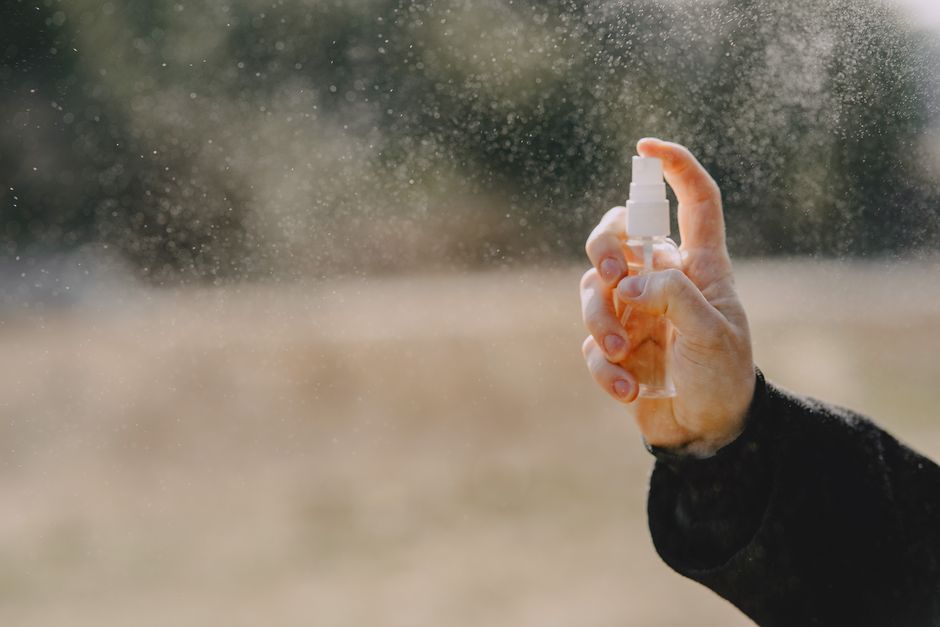
Making distillate spray at home is simpler than most people think, but the process requires attention to detail and proper safety measures. Distillate spray is essentially a concentrated cannabis extract diluted with a carrier liquid, allowing for precise dosing and easy application. The basic steps involve selecting your distillate, choosing a carrier, heating and mixing the ingredients, and transferring the mixture into a spray bottle. This guide walks through each stage with evidence-based information so you can make an informed decision about whether this process is right for you.
What Exactly Is Distillate Spray and How Does It Work?
Distillate spray is a liquid formulation made by combining cannabis distillate—a highly refined extract containing mostly THC or CBD—with a carrier oil or alcohol. The distillate itself is produced through a process called short-path distillation, which strips away plant matter, terpenes, and other compounds, leaving behind a thick, amber-colored oil that is typically over 80% cannabinoids by weight.
When you spray this mixture under your tongue or onto food, the cannabinoids absorb through mucous membranes or the digestive tract. This method provides faster onset than edibles but slower onset than vaping. Most users report effects within 15 to 45 minutes, lasting anywhere from 2 to 6 hours depending on dosage and individual metabolism.
The key advantage of spray form is precise dose control. Each spray delivers a consistent amount, which makes it easier to find your ideal dose without overconsuming. This is especially useful for people using cannabis for medical reasons who need reliable, repeatable results.
What Ingredients and Equipment Do You Need to Make Distillate Spray?
Before starting, gather all materials. The process moves quickly once you begin heating, so having everything ready prevents mistakes.
| Ingredient or Equipment | Purpose | Notes |
|---|---|---|
| Cannabis distillate (THC or CBD) | Active ingredient | Look for lab-tested distillate with known potency; avoid old or crystallized product |
| Carrier oil (MCT oil, coconut oil, or ethanol) | Dilutes distillate for spraying | MCT oil is most common because it stays liquid at room temperature |
| Glass dropper or syringe | Measuring and transferring distillate | Metal syringes can react with some distillates; glass is safest |
| Small glass mixing container | Combining ingredients | Pyrex or borosilicate glass works best |
| Hot water bath or double boiler | Heating distillate to make it flow | Never use direct heat on a burner; distillate can burn easily |
| Fine-mist spray bottle (glass or PET plastic) | Storing and dispensing final product | Avoid cheap plastic bottles; the carrier oil can degrade them over time |
| Thermometer | Monitoring temperature | Distillate becomes workable around 100-120°F (38-49°C) |
Do not skip the thermometer. Overheating distillate above 140°F (60°C) can degrade cannabinoids and reduce potency. Some studies suggest that THC begins to break down noticeably above 150°F, so keeping temperatures moderate preserves the effect.
How To Make Distillate Spray Step By Step
Follow these steps carefully. The entire process takes about 30 minutes from start to finish.
Step 1: Warm the distillate. Place your distillate syringe or glass container in a hot water bath at 100-120°F. Let it sit for 5 to 10 minutes until the distillate becomes runny like honey. Do not microwave distillate—uneven heating can create hot spots that destroy cannabinoids.
Step 2: Warm the carrier oil. In a separate container, warm your MCT oil or other carrier to the same temperature range. This prevents the distillate from solidifying on contact when you mix them. Cold carrier oil will cause the distillate to clump, making even mixing nearly impossible.
Step 3: Combine and stir. Using your glass dropper or syringe, draw up the warmed distillate and slowly inject it into the warm carrier oil. Stir gently but thoroughly with a clean glass rod or stainless steel stirrer for at least 2 minutes. The mixture should look clear and uniform with no visible separation.
Step 4: Calculate your dose. This is the most important step for safety. If your distillate is 85% THC and you use 1 gram of distillate with 10 mL of carrier oil, each mL of spray contains about 85 mg of THC. A typical spray bottle delivers 0.1 mL per spray, meaning each spray contains roughly 8.5 mg. Adjust the ratio based on your desired strength.
Step 5: Transfer to spray bottle. Pour the mixture into your spray bottle using a small funnel if needed. Seal the bottle tightly and shake well before each use. Label the bottle clearly with the date and potency per spray.
Step 6: Test and adjust. Take one test spray and wait at least 45 minutes before deciding to take more. Distillate sprays absorb differently than inhaled cannabis, so effects may feel different. Start low and go slow is not just a saying—it is backed by clinical guidance for avoiding overconsumption.




What Strength Should You Make Your Distillate Spray?
The right concentration depends entirely on your tolerance and intended use. A common starting ratio for beginners is 500 mg of distillate per 30 mL of carrier oil, which yields roughly 1.5 mg per spray. Experienced users often double or triple that concentration.
Research on cannabis dosing is still limited, but current evidence suggests that most people feel effects from 2.5 to 5 mg of THC when taken orally. Medical users sometimes require 10 to 20 mg for symptom relief. The spray format makes it easy to start at the low end and work upward.
Avoid the temptation to make an extremely concentrated spray. Thick mixtures clog spray nozzles and make consistent dosing impossible. If your mixture is too thick to spray easily, add more carrier oil. Thin mixtures are better than thick ones for reliable dosing.
What Are the Common Mistakes People Make When Making Distillate Spray?
Several errors can ruin your spray or make it unsafe. Here are the most common problems and how to avoid them.
- Using cold ingredients: Mixing cold distillate with cold oil creates clumps that never fully dissolve. Always warm both components to the same temperature before combining.
- Overheating the distillate: Temperatures above 150°F can degrade THC and other cannabinoids. Use a thermometer and keep the water bath below 120°F for best results.
- Choosing the wrong carrier: Water and distillate do not mix. You must use a fat-based carrier like MCT oil or a high-proof alcohol. Water-based sprays require emulsifiers and are significantly harder to make at home.
- Skipping the label: Without a clear label indicating potency per spray, you risk accidentally taking too much or too little weeks later when you forget the original ratio.
- Using metal tools: Some metals can catalyze degradation of cannabinoids over time. Glass and stainless steel are safe; avoid aluminum and copper.
One non-obvious point: even if your mixture looks fully blended, let it sit at room temperature for an hour before using it. This allows any micro-separation to become visible. If you see oil separating from the carrier after sitting, you did not mix thoroughly enough. Reheat gently and stir again.
How Should You Store Distillate Spray to Maintain Potency?
Proper storage preserves the potency and shelf life of your spray. Light, heat, and oxygen are the three enemies of cannabinoids. Store your spray bottle in a cool, dark place like a pantry or cabinet. Avoid bathrooms where humidity and temperature fluctuate.
As of 2026, current research suggests that cannabinoids in oil-based solutions degrade at roughly 5-10% per year when stored properly at room temperature in amber glass bottles. Refrigeration can slow this degradation further, though some MCT oils thicken in the cold and may need warming before use.
Do not store distillate spray in clear glass or plastic bottles exposed to sunlight. UV light breaks down THC into CBN, which is more sedating and less psychoactive. If your spray makes you sleepier over time, light exposure is likely the cause.
Check your spray monthly for changes in color, smell, or consistency. Darkening color or a rancid smell indicates oxidation or microbial growth. Discard any spray that looks or smells off. Homemade products do not contain commercial preservatives, so they have a shorter shelf life than store-bought versions.
Frequently Asked Questions
Can I use water as a carrier for distillate spray?
No, distillate is oil-based and will not mix with water. You need a fat-based carrier like MCT oil or high-proof alcohol.
How long does homemade distillate spray stay potent?
Stored properly in a cool dark place, it stays potent for 6 to 12 months. Refrigeration can extend this slightly.
Is it safe to make distillate spray at home?
Yes, if you follow proper heating guidelines and use food-grade ingredients. Avoid overheating and always label your final product clearly.
How many milligrams of THC are in one spray?
This depends on your mixture ratio. A common starting point is 1 gram of 85% distillate in 10 mL of carrier oil, giving roughly 8.5 mg per 0.1 mL spray.
