
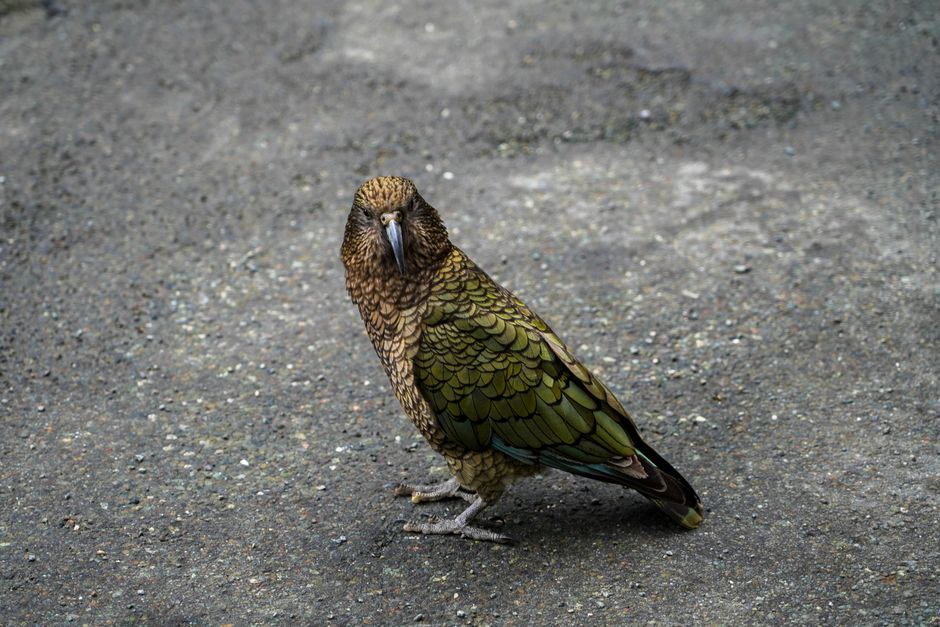
If you want to see a kakapo in New Zealand, you cannot simply visit a zoo or a wildlife park. Kakapo are critically endangered and live only on protected, predator-free offshore islands. As of 2026, the only way to see a kakapo in person is through a limited number of guided tours on Codfish Island (Whenua Hou) or Anchor Island, run by the New Zealand Department of Conservation (DOC). These tours are rare, expensive, and book out months in advance. For most people, the most reliable way to experience a kakapo is through the remote cameras and live streams managed by the Kakapo Recovery Programme.
Where Exactly Can You See a Kakapo in New Zealand?
The short answer is that you cannot see a kakapo on the mainland of New Zealand. The entire population of around 250 birds lives on three small, predator-free islands. These are Codfish Island (Whenua Hou) near Stewart Island, Anchor Island in Fiordland, and Hauturu-o-Toi (Little Barrier Island) in the Hauraki Gulf. None of these islands are open to the general public for independent visits.
DOC runs a small number of guided tours to Codfish Island and Anchor Island each year. These tours are part of the Kakapo Recovery Programme and are designed for people who want to support conservation. The tours are physically demanding — you need to be fit enough to hike and handle rough terrain. They also cost several thousand dollars per person. Most tours sell out within hours of being announced.
If you are not able to get on one of these tours, your next best option is to visit the Kakapo Recovery Programme headquarters in Invercargill. The facility has educational displays and sometimes a live video feed of the birds. It is free to visit and open to the public. It is not the same as seeing a kakapo in the wild, but it is the closest most people will get.
Why Are Kakapo So Difficult to See?
Kakapo are the world’s only flightless, nocturnal parrot. They evolved in New Zealand with no natural ground predators. When humans brought rats, cats, and stoats to the islands, kakapo had no defense. By the 1990s, fewer than 60 birds were left.
The entire recovery effort focuses on keeping the birds safe. They live on islands where every single predator has been removed. Allowing uncontrolled tourism would risk reintroducing pests or disturbing the birds during breeding season. DOC prioritizes the birds’ survival over public access. This is not a decision made lightly — it is the only reason kakapo still exist.
Research published in Biological Conservation has shown that even low levels of human disturbance can affect kakapo breeding success. The birds are extremely sensitive to noise and changes in their environment during the nesting season. This is why tours are strictly limited and only happen during the non-breeding months.
What Does the Kakapo Recovery Programme Actually Do?
The Kakapo Recovery Programme is a joint effort between DOC, Ngāi Tahu (the local Māori tribe), and the charity Kakapo Recovery Trust. Their work is science-driven and incredibly detailed. Every kakapo has a name and a radio transmitter. The team tracks each bird’s weight, breeding status, and health in real time.
One of the most important tools they use is supplementary feeding. Kakapo rely on rimu tree fruit to breed. Rimu trees only fruit every two to four years. When fruit is scarce, the birds do not breed. The team provides special formulated pellets to ensure the birds get enough nutrition to reproduce. This strategy has been credited with boosting the population from 62 birds in 1995 to over 250 today.
Another key intervention is smart nest boxes. These are high-tech boxes with cameras, temperature sensors, and automatic doors. The cameras let the team watch chicks without entering the nest. The temperature sensors alert them if a chick is too cold. The automatic doors can close to protect the nest from predators or bad weather. This technology has dramatically improved chick survival rates.





Can You See a Kakapo Online or on Screen?
Yes. The Kakapo Recovery Programme runs a live stream called Kakapo Cam during the breeding season. It broadcasts from nest boxes on Codfish Island. You can watch chicks being fed, adults preening, and sometimes even hear their distinctive booming calls. The stream is free and available on the DOC website and YouTube.
There are also several documentaries that feature kakapo. The most famous is Kakapo: The World’s Weirdest Parrot, produced by the BBC and narrated by Stephen Fry. It is available on YouTube and streaming platforms. It shows the birds in their natural habitat and explains the recovery work in detail. It is not the same as being there, but it is the best alternative for most people.
If you want to support the birds without traveling, you can donate to the Kakapo Recovery Trust. Donors receive updates, photos, and sometimes access to exclusive video content. It is a way to feel connected to the birds even from the other side of the world.
What Should You Know Before Trying to See a Kakapo?
If you are determined to see a kakapo in person, here is what you need to know. First, you must be prepared to travel to Invercargill or Stewart Island. Tours to Codfish Island depart from Stewart Island. Tours to Anchor Island depart from Te Anau. Both require significant advance planning.
Second, the tours are physically demanding. You will need to hike on uneven ground, carry your own gear, and sleep in basic huts. There is no electricity or running water on the islands. You must be comfortable with outdoor conditions and able to follow strict biosecurity protocols. Every piece of gear is checked for seeds, soil, and insects before you step onto the island.
Third, you need to be patient. Even on a tour, you may not see a kakapo up close. The birds are nocturnal and shy. Guides use radio telemetry to find them, but the birds can be elusive. The experience is more about the journey and the conservation story than a guaranteed sighting.
Here is a quick comparison of your options:
| Option | Location | Cost | Chance of Seeing Kakapo |
|---|---|---|---|
| Guided tour (Codfish Island) | Stewart Island | $3,000–$5,000 | High (with guide) |
| Guided tour (Anchor Island) | Fiordland | $2,500–$4,000 | Moderate |
| Kakapo Recovery HQ | Invercargill | Free | None (displays only) |
| Kakapo Cam live stream | Online | Free | High (remote) |
| Documentary | Online/streaming | Free or low cost | Best footage |
Common Misconceptions About Seeing Kakapo
Many people assume that because kakapo are a national icon, they must be easy to see. That is not true. There is no kakapo exhibit at Auckland Zoo, Wellington Zoo, or any other zoo in New Zealand. The birds are too fragile to be kept in captivity for display. The only captive kakapo are at the Kakapo Recovery Centre on Codfish Island, and they are there for breeding, not public viewing.
Another misconception is that you can visit the islands independently. You cannot. All islands are strictly managed by DOC. Unauthorized landings are illegal and carry heavy fines. The only way to set foot on these islands is through an official DOC tour or as a volunteer researcher.
Some people also think that kakapo are easy to spot because they are large and flightless. In reality, they are masters of camouflage. Their green and brown feathers blend perfectly with the forest floor. They freeze when they sense danger. Even experienced researchers sometimes struggle to find them. This is not a bird you can spot from a lookout point.
What to Avoid When Trying to See a Kakapo
Avoid any tour operator that claims to offer kakapo sightings outside of DOC-authorized tours. There are no private tours that access the kakapo islands. If someone says they can take you to see a kakapo, they are either lying or breaking the law. Stick to official DOC channels only.
Avoid visiting the islands during breeding season (November to March). The birds are most vulnerable then, and all tours are suspended. If you show up during this time, you will not be allowed on the island. Plan your travel for the non-breeding months (April to October) if you want any chance of joining a tour.
Avoid expecting a quick trip. Seeing a kakapo in person requires months of planning, a significant budget, and a flexible schedule. If you only have a week in New Zealand, you are better off watching the live stream and visiting the Invercargill headquarters. Trying to force a visit will only lead to disappointment.
Frequently Asked Questions
Can I see a kakapo at a zoo in New Zealand?
No. There are no kakapo in any zoo in New Zealand or anywhere in the world. The entire population lives on protected offshore islands.
How much does it cost to see a kakapo in person?
Guided tours to Codfish Island or Anchor Island cost between $2,500 and $5,000 per person. The Kakapo Recovery headquarters in Invercargill is free to visit.
When is the best time of year to try to see a kakapo?
The best time is during the non-breeding season from April to October. Tours are only available during these months.
Can I volunteer to help with kakapo conservation?
Yes, but volunteer positions are extremely competitive. You need relevant experience in conservation or ecology. Applications are posted on the DOC website.
