
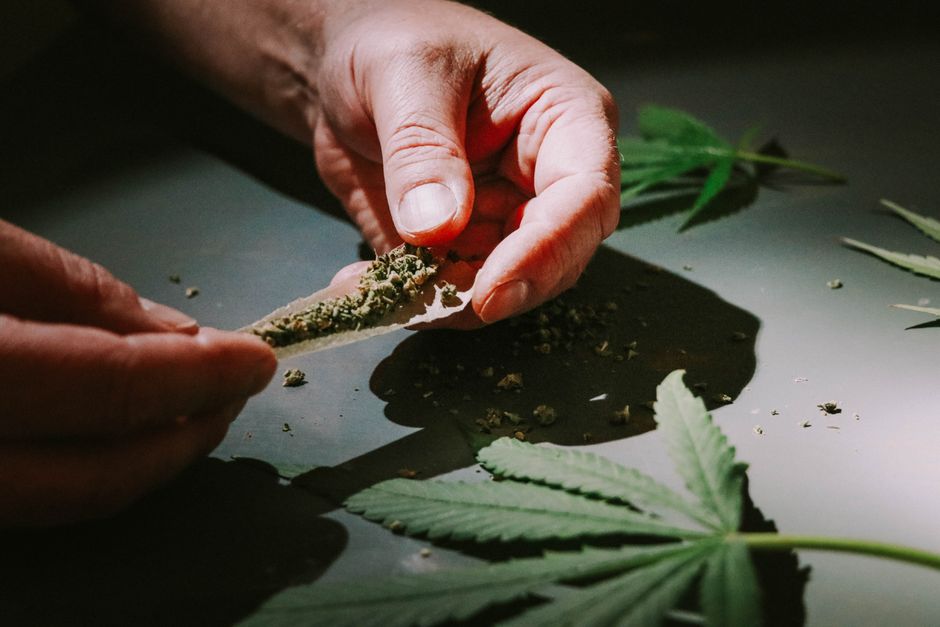
Canna oil is a fat-based infusion made by heating cannabis plant material in a cooking oil, most often olive, coconut, or a neutral oil like canola. The heat and the fat work together to pull fat-soluble compounds out of the plant. The process is simple, but a few variables change the result a lot: temperature, time, and whether the plant has been decarbed first. Below is a plain explanation of the standard methods, what each step actually does, and where the evidence gets thin.
What Is Canna Oil, Exactly?
Canna oil is a carrier oil that has been infused with compounds from cannabis flower or trim. The two main compounds people talk about are THC (tetrahydrocannabinol) and CBD (cannabidiol). Both dissolve in fat, not in water. That is the whole reason oil is used instead of, say, a water-based tea.
Raw cannabis does not contain much active THC. It contains THCA, an acidic form that does not produce the same effects until it is heated. Heat removes a carboxyl group from THCA and converts it to THC. The same general process turns CBDA into CBD. This conversion step is called decarboxylation, or decarbing.
This is the non-obvious part: if you skip decarbing, you can still make oil, but most of the THC stays locked in its acid form. Many people who try a no-heat “cold infusion” and feel nothing are not doing it wrong. They are simply not converting the plant’s compounds into their active forms.
How To Make Canna Oil: Step by Step
The standard home method has two stages. First you decarb the plant. Then you infuse it into oil. Skipping or rushing the first stage is the most common mistake.
Step 1: Decarb the plant
Break the flower into small, even pieces. Spread it in a single layer on a baking sheet lined with parchment. Bake at a low, steady temperature. A common range cited in cannabis testing work is roughly 220°F to 240°F (about 105°C to 115°C) for 30 to 60 minutes, though exact times vary with moisture and oven accuracy.
Ovens are often off by 25°F or more. An oven thermometer is worth the few dollars. Too cool and the conversion is incomplete. Too hot and you drive off active compounds and risk a burnt, harsh flavor.
Step 2: Combine with oil
Once the plant is cooled, add it to your oil in a pot or a mason jar. Use enough oil to fully cover the plant, plus a little extra. A rough starting ratio is one cup of oil per 7 to 14 grams of flower, but this is a starting point for flavor and strength, not a dosing guideline.
Step 3: Heat gently
Warm the mixture at a low simmer. Most home guides use 160°F to 200°F (about 70°C to 95°C) for one to three hours, stirring occasionally. You want gentle heat, not a rolling boil. Oil that smokes or scorches loses quality and can degrade the compounds you worked to extract.
Step 4: Strain
Let the mixture cool until it is safe to handle. Strain through cheesecloth, a fine mesh strainer, or a coffee filter. Squeeze the plant material to recover the oil it holds. Store the finished oil in a sealed container away from light and heat.
Does Decarbing Really Matter?
Yes. Decarbing is the single step that determines whether your oil is active. Raw or lightly dried cannabis is high in THCA and low in THC. Heat converts one to the other.
The conversion is not instant and not all-or-nothing. It depends on temperature, time, and how evenly the plant is heated. That is why two people can follow the same recipe and end up with very different potency. There is no home method that reliably produces a precise, repeatable THC concentration without lab testing.
This matters for safety. A batch made from high-THC flower can be far stronger than the person making it expects. Without testing, you cannot know the milligrams of THC per teaspoon. Treat any homemade oil as having unknown strength.




Which Oil Should You Use?
Any edible fat works, but some are better suited than others. The choice affects flavor, shelf life, and how the oil behaves in cooking.
- Coconut oil — high in saturated fat, solid at room temperature, long shelf life. Popular because it extracts well and stores easily.
- Olive oil — strong flavor that can mask or clash with cannabis. Good for savory uses.
- Neutral oils (canola, grapeseed, sunflower) — mild taste, good for baking and recipes where you do not want a strong flavor.
- Butter or ghee — technically a fat, not an oil, but works the same way. Common for baked goods.
Avoid oils with very low smoke points if you plan to cook with the finished product at high heat. You can always infuse into one oil and use it in a recipe that does not require high heat.
Why Potency Is So Hard to Control
Home canna oil has no reliable dose. The starting plant varies in potency. The decarb is uneven. The extraction is incomplete. Every one of these introduces variation.
Commercial cannabis products in legal markets are tested and labeled with THC content per serving. Homemade oil is not. If you are using oil for any medical reason, or if you are sensitive to THC, this is the biggest limitation of the DIY approach.
Some clinicians and harm-reduction resources recommend starting with a very small amount of any homemade edible and waiting a full two hours before considering more. That advice exists because edible THC is processed through the liver and can produce stronger, longer-lasting effects than inhaled cannabis. The onset is slower and the peak is delayed.
Is Canna Oil Safe?
The safety of canna oil depends almost entirely on what is in it and who is using it. The oil-making process itself is not dangerous if you handle hot oil carefully. The finished product is a different question.
THC can cause anxiety, rapid heart rate, impaired coordination, and, at high doses, a distressing experience that some people describe as overwhelming. These effects are dose-dependent and unpredictable in homemade oil. There is no reliable way to know the dose.
CBD-dominant oil has a different profile. CBD is generally better tolerated than THC in the doses studied, but it is not without effects. It can interact with some medications, including certain blood thinners and epilepsy drugs, by affecting how the liver breaks them down. Anyone taking prescription medication should talk to a pharmacist or doctor before using CBD or THC products.
Do not give canna oil to children, and do not use it during pregnancy or breastfeeding. Major medical organizations advise against cannabis use in pregnancy and while breastfeeding because of concerns about fetal and infant development. No clinical guidelines establish a safe dose for these groups.
Keep finished oil clearly labeled and out of reach of children and pets. Edible cannabis is a common cause of accidental ingestion in kids, and the effects in children can be serious.
Common Mistakes and How to Avoid Them
Most problems with homemade canna oil trace back to a handful of avoidable errors.
- Not decarbing. The oil will be weak or inactive.
- Too much heat. High heat degrades THC and CBD and ruins the taste.
- Too short an infusion. Compounds need time and contact with fat to move out of the plant.
- No straining. Leftover plant material makes the oil gritty and shortens shelf life.
- Assuming you know the strength. You do not, unless you test it.
There is no way to make homemade oil as consistent as a tested product. If consistency matters to you, that is a real argument for buying tested products instead of making your own.
How Should You Store It?
Store canna oil in a sealed glass container, away from light and heat. Refrigeration slows spoilage, especially for oils prone to going rancid. Coconut oil can be kept at room temperature if your kitchen stays cool, but refrigeration is safer for longer storage.
There is no established shelf life for homemade infused oil. A reasonable rule is to use it within a few weeks to a couple of months and to discard it if it smells off, looks cloudy in a way it did not before, or shows any sign of mold. When in doubt, throw it out.
What the Evidence Does and Does Not Show
The chemistry of decarboxylation and fat-based extraction is well established. Heat converts THCA to THC, and both THC and CBD are fat-soluble. These are not controversial points.
What is far less settled is the medical case for using canna oil for specific conditions. Some research supports cannabis-based products for certain types of chronic pain, nausea from chemotherapy, and some rare forms of childhood epilepsy, under medical supervision. The evidence is mixed or limited for many other uses that are commonly claimed, including anxiety, sleep, and general inflammation.
Marketing often outruns the science here. Statements that a product “supports” this or that condition are not the same as demonstrated clinical benefit. If a claim sounds too broad to be true, it usually is.
Frequently Asked Questions
Do you have to decarb cannabis before making oil?
Yes, decarbing is what converts inactive THCA into active THC. Without it, most of the THC stays in a form that does not produce typical effects.
What temperature should you decarb cannabis at?
A common range is about 220°F to 240°F for 30 to 60 minutes, but times vary with your oven and the plant’s moisture. An oven thermometer helps because home ovens are often inaccurate.
How long does homemade canna oil last?
There is no established shelf life for homemade infused oil. Store it sealed, away from light and heat, refrigerate for longer storage, and discard it if it smells off or shows any sign of spoilage.
Is canna oil safe to use?
It depends on the THC content and who is using it, and homemade oil has an unknown dose. Do not use it during pregnancy or breastfeeding, do not give it to children, and check with a doctor or pharmacist if you take prescription medications.
