
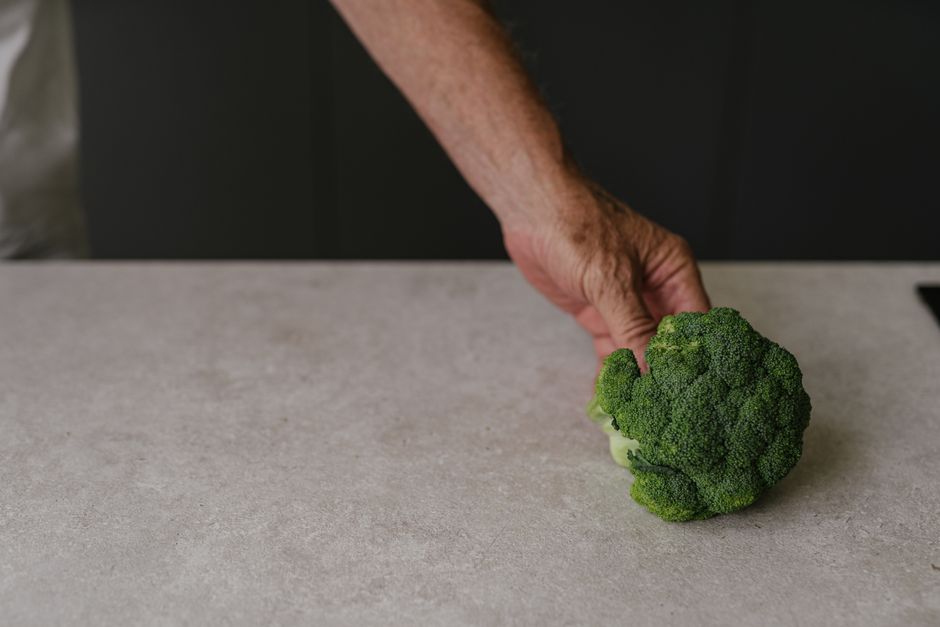
Broccoli tastes bitter to many people because of compounds it makes naturally, and how you cook it changes those compounds. Roasting at high heat, blanching briefly, and pairing it with fat, acid, and salt are the most reliable ways to make it taste good. The single biggest mistake is boiling it until it turns soft and gray.
None of this requires special skill. It comes down to understanding why broccoli tastes the way it does, then choosing a cooking method that works with that chemistry instead of against it.
Why Does Broccoli Taste Bitter?
Broccoli contains compounds called glucosinolates. When the plant’s cells are broken — by chopping, chewing, or cooking — an enzyme called myrosinase converts these into other compounds, including isothiocyanates and goitrin. Some of these are bitter.
How much bitterness you taste depends on how much of these compounds form and how sensitive you are to them. Some people carry a gene variant that makes them taste bitter compounds far more strongly than others. If broccoli has always tasted harsh to you, that may be biology, not pickiness.
Here is the part most people do not know: the enzyme that drives this reaction is destroyed by heat. Cook broccoli very quickly and you lock in more bitterness. Cook it a little longer and the enzyme stops working — but overcook it and you trade bitterness for mush.
Roasting is different. Dry high heat browns the surface through a process called the Maillard reaction, which creates sweet, savory flavors that mask bitterness. That is why roasted broccoli tastes nothing like boiled broccoli.
What Is the Best Way to Cook Broccoli for Flavor?
Roasting at high heat produces the best flavor for most people. The dry heat concentrates the broccoli’s natural sugars, browns the edges, and reduces the bitterness that boiling leaves behind.
Cut florets into similar-sized pieces so they cook evenly. Toss with oil, spread them in a single layer with space between them, and roast at a high temperature until the tips are browned and the stems are tender. Crowding the pan steams the broccoli instead of roasting it, which defeats the purpose.
Other methods work well too, each with a different result:
- Steaming keeps the flavor mild and the texture firm. Steam until a knife slides easily into the stem — usually a few minutes. Stop before the color dulls.
- Blanching means boiling briefly, then plunging into ice water. This sets a bright green color and a crisp texture. It works well for salads and dips.
- Sautéing with a little oil over medium-high heat gives browned edges in less time than roasting. Use a wide pan so the broccoli sits in one layer.
- Grilling works for larger pieces and adds char and smoke. It requires more attention because the florets can burn quickly.
Boiling is the method most likely to go wrong. Boiled broccoli absorbs water, loses water-soluble nutrients into the cooking liquid, and turns soft and dull-colored if left too long. It is not impossible to boil broccoli well, but it is the least forgiving method.
How Do You Season Broccoli So It Tastes Better?
Salt, fat, and acid do most of the work. Salt reduces perceived bitterness and brings out sweetness. Fat carries flavor and adds richness. Acid — lemon juice or vinegar — brightens the flavor and cuts through heaviness.
Add salt before cooking, not just after. Salting roasting broccoli before it goes in the oven seasons it through. A squeeze of lemon after cooking lifts the flavor noticeably. A small amount of grated parmesan or a drizzle of toasted sesame oil adds savory depth without much effort.
Garlic, black pepper, smoked paprika, and red pepper flakes all pair well. So does a little grated ginger. These are seasonings, not fixes — they work best on broccoli that has already been cooked properly.
One practical note: if you are watching sodium, season with acid and aromatics first and add salt last, tasting as you go. You can use less salt than you expect when the broccoli is browned and the acid is there.





Should You Blanch Broccoli Before Cooking It?
Blanching is useful for some dishes but not necessary for most home cooking. It is worth doing when you want a bright green color and crisp texture for a salad or a vegetable platter, or when you plan to finish the broccoli later in a stir-fry or on the grill.
To blanch, drop the broccoli into boiling water for a short time, then move it immediately to ice water to stop the cooking. The cold water is the step people skip, and it is the step that preserves the color and texture.
For everyday meals, skip the blanch. Roasting or steaming from raw is simpler and gives better flavor.
Does Cutting Broccoli Differently Change the Taste?
Yes, and more than most people expect. Smaller pieces cook faster and brown more, which means more sweetness and less raw bitterness. Larger pieces stay milder inside but can taste raw at the stem.
Cut florets so they are roughly the same size. Slice the stem into coins or matchsticks — the stem is milder and slightly sweeter than the florets, and it cooks more evenly when cut thin. Many people throw away the stem, which is a waste of the best-tasting part.
Also, let cut broccoli rest briefly before cooking. The enzyme reaction that creates bitter compounds peaks in the first several minutes after cutting. Cooking soon after chopping, or letting it sit long enough for that reaction to slow, both reduce harshness compared with cooking at the exact wrong moment. This is a small effect, but it is real.
What About Frozen Broccoli?
Frozen broccoli can taste good, but it needs a different approach. Freezing breaks down cell walls, so frozen broccoli releases more water when cooked. That water steams the broccoli and prevents browning if you roast it straight from frozen.
The fix is to roast at high heat and give it room, or to thaw and drain it well before cooking. Frozen broccoli works well in soups, stir-fries, and casseroles where browning is not the goal. For a simple roasted side dish, fresh broccoli gives a better result.
How Do You Get Kids to Eat Broccoli?
Roasting helps more than anything else. The browned edges taste sweeter and less bitter than boiled broccoli, and kids tend to accept it more readily. Serving it with a dip they already like — ranch, hummus, or a yogurt sauce — also helps.
Do not force it. Repeated exposure matters more than any single preparation. Offering small amounts alongside foods a child already likes, without pressure, is the approach most consistent with feeding research. Some children are more sensitive to bitter tastes than others, and that sensitivity is largely genetic.
Cutting broccoli into smaller pieces and letting kids dip it themselves gives them some control over the experience, which tends to help acceptance.
Is Broccoli More Nutritious Raw or Cooked?
It depends on the nutrient. Cooking reduces vitamin C, which is heat-sensitive. But cooking also breaks down cell walls, which can make some nutrients easier for the body to absorb.
One well-studied example is beta-carotene, which the body converts to vitamin A. Cooking and eating broccoli with a little fat improves absorption of beta-carotene and other fat-soluble compounds. Steaming appears to preserve more water-soluble nutrients than boiling, because boiling leaches them into the water.
There is no single best answer. Raw and cooked broccoli both have value. The practical takeaway is to avoid overcooking, and to use methods like steaming and roasting rather than long boiling when you want to keep more nutrients in the vegetable.
What Makes Broccoli Taste Bad?
Overcooking is the most common cause. Boiled too long, broccoli turns soft, gray-green, and sulfurous. The sulfur compounds responsible for that smell are the same ones that give overcooked cabbage its reputation.
Undercooking is the second cause. Raw or barely cooked broccoli can taste harsh and grassy to people sensitive to bitter compounds.
Poor seasoning is the third. Broccoli with no salt, no fat, and no acid tastes flat. A little olive oil, salt, and lemon can change the experience substantially.
If broccoli still tastes unpleasantly bitter after proper cooking and seasoning, your sensitivity to bitter compounds may simply be high. That is not a cooking failure. Try the stem, which is milder, or pair broccoli with stronger flavors like garlic and chili that compete with bitterness.
Frequently Asked Questions
Why does my broccoli taste bitter even after cooking?
Bitterness comes from natural compounds called glucosinolates and how your palate detects them. Some people are genetically more sensitive to bitter tastes, so broccoli may taste stronger to you regardless of cooking method.
What is the healthiest way to cook broccoli?
Steaming and roasting preserve more nutrients than boiling, which leaches water-soluble vitamins into the cooking liquid. Roasting also adds flavor through browning without requiring much added fat.
Does lemon juice make broccoli taste less bitter?
Acid like lemon juice can reduce perceived bitterness and brighten flavor. It works best on broccoli that has already been cooked properly and lightly salted.
Can you eat broccoli stems?
Yes, broccoli stems are edible and milder in flavor than the florets. Slice them thin so they cook evenly and do not taste raw.
