
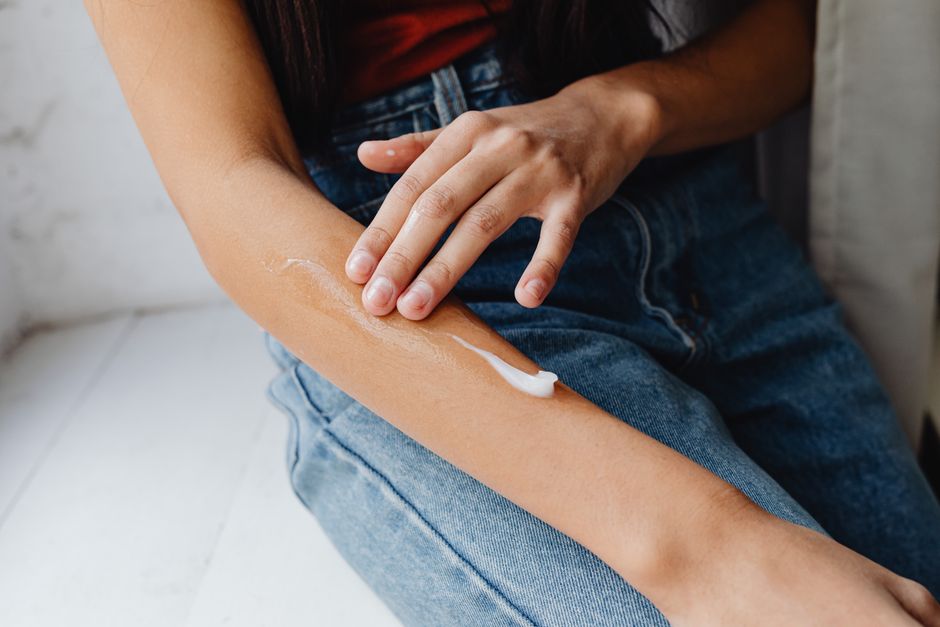
Breastmilk lotion is made by blending expressed breast milk with a fat base such as coconut oil, usually with a little beeswax to hold it together and an emulsifier to stop the water and oil from separating. A basic recipe combines roughly equal parts breast milk and coconut oil, melts them gently with a small amount of beeswax, and whips the cooled mixture into a soft cream. The steps are simple. The safety details are what most DIY posts skip, and they matter.
How To Make Breastmilk Lotion With Coconut Oil Easy Diy
This is a small-batch recipe. Make only what you will use in about a week. Breast milk is a food, and a lotion made from it is a perishable product.
You will need:
- About 2 ounces (60 mL) of expressed breast milk
- About 2 ounces (60 grams) of coconut oil
- 1 to 2 teaspoons of grated beeswax, to thicken and firm the lotion
- About 1 teaspoon of an emulsifier such as liquid lecithin, which helps water and oil stay mixed
- A double boiler or a heat-safe bowl set over a pot of simmering water
- A clean jar with a lid, sterilized with boiling water and fully dried
- A small whisk or an electric hand mixer
Method:
- Sterilize your jar, whisk, and bowl. Let everything dry completely.
- Melt the coconut oil and beeswax together over gentle heat. Stir until smooth.
- Remove from heat. Let the oil mixture cool until it is warm to the touch, not hot.
- Whisk in the breast milk and the lecithin. Keep whisking until the mixture looks creamy and uniform.
- Pour into your jar. Let it set at room temperature, then store it in the refrigerator.
Without an emulsifier, the water in breast milk and the oil will separate within hours. Shaking before each use helps, but a proper emulsifier gives a more stable cream. Some people skip the beeswax for a softer lotion. Expect it to be runnier and messier.
One practical note: heat can damage some components of breast milk. Keep the melting step gentle and let the oil cool before the milk goes in. Do not simmer breast milk directly.
Is Breastmilk Lotion Safe to Use?
There is no clinical evidence that breastmilk lotion treats or prevents any skin condition. That is the honest starting point. What we know about breast milk comes mostly from infant feeding research, not from skin care trials.
Breast milk does contain fats, proteins, and antibodies such as immunoglobulin A. Those components are well documented in human milk. Whether they survive on skin, penetrate the skin barrier, or produce any measurable benefit has not been established in controlled human studies. Biological plausibility is not the same as proven benefit.
The bigger concern is contamination. Breast milk supports bacterial growth once it is outside the body and no longer refrigerated. A handmade lotion has no preservative system. That is why small batches and refrigeration matter.
Do not apply breastmilk lotion to:
- Broken skin, cuts, or open rashes
- Areas with signs of infection, such as warmth, spreading redness, or pus
- The eyes or inside the nose
- Infants with a known immune condition, unless a pediatrician has approved it
If a rash is spreading, painful, or accompanied by fever, see a clinician. A homemade lotion is not a treatment for a skin infection.
Does Breastmilk Lotion Actually Help Skin?
Parents often report that breastmilk lotion soothes dry skin or calms minor irritation. Anecdotes are common. Controlled trials are not.
Some research has looked at topical breast milk for specific conditions, including small studies on diaper rash and nipple soreness. Results vary, and many of these studies are small or have design limitations. No large, well-controlled trial has established breastmilk lotion as an effective treatment for eczema or any other skin disease.
What coconut oil brings to the recipe is better supported. Coconut oil is a rich emollient that can reduce water loss from the skin surface. Some studies suggest it can help with dry skin and may have mild antibacterial properties. It is also comedogenic for some people, meaning it can clog pores and trigger acne in acne-prone skin. Patch test before slathering it on your face.
The honest summary: breastmilk lotion is a traditional, well-loved homemade product. It is not a proven remedy. Treat it as a moisturizer, not medicine.





How Long Does Breastmilk Lotion Last?
Store breastmilk lotion in the refrigerator and use it within about a week. This is a practical guideline based on how quickly unpreserved milk-based products can spoil, not a formal standard.
Signs it has gone bad:
- A sour or rancid smell
- Visible mold or discoloration
- Separation that will not whisk back together
- Any change in texture that looks wrong
When in doubt, throw it out. Do not add water to stretch the batch. Water increases the risk of bacterial growth. If you want a longer shelf life, make smaller batches more often rather than adding preservatives at home. Home preservative use is easy to get wrong, and an incorrectly preserved product can grow harmful bacteria.
Established guidance on storing expressed breast milk for feeding (refrigerate and use within a few days, freeze for longer) applies to milk meant for a baby to drink. It does not automatically transfer to a lotion, which sits at room temperature and gets dipped into repeatedly.
Can You Use Breastmilk Lotion on a Baby?
Many parents make breastmilk lotion specifically for their baby’s skin. Use caution. A baby’s skin is thinner and more permeable than an adult’s, and infants are more vulnerable to skin infections.
Before using it on a baby:
- Patch test on a small area of the arm and wait 24 hours
- Keep it away from the diaper area if there is any rash or broken skin
- Avoid the face and hands, which end up near the eyes and mouth
- Stop at the first sign of redness, irritation, or worsening
For diaper rash, established pediatric guidance favors barrier creams such as zinc oxide, frequent diaper changes, and air time. Breastmilk lotion is not a substitute for these. If a diaper rash is not improving, or has blisters or open sores, contact a pediatrician.
If your baby has eczema, food allergies, or a compromised immune system, talk to a pediatrician before applying any homemade product.
What Are the Risks and Limitations?
The main risks are contamination, allergic reaction, and false reassurance.
Contamination is the most realistic concern. An unpreserved milk product kept in a warm bathroom is a good environment for bacteria. Clean tools, refrigeration, and short storage windows reduce but do not eliminate this risk.
Allergic reaction is possible. Coconut oil allergies are uncommon but real. Breast milk itself can carry traces of foods from the mother’s diet, and a baby with a cow’s milk protein allergy could, in theory, react to milk proteins on skin. This is not well studied for topical use. Watch for redness, itching, or hives and stop if they appear.
False reassurance is the quiet risk. A parent who treats a worsening rash with homemade lotion may delay seeing a clinician. Skin conditions like eczema, fungal infections, and bacterial infections can look similar to an untrained eye. If a rash is spreading, oozing, or not improving after a few days, get it looked at.
One clarification worth knowing: coconut oil is not a preservative. It can slow some microbial growth, but it does not make a milk-based lotion shelf-stable. Many DIY posts imply otherwise. They are wrong.
Frequently Asked Questions
How do you make breastmilk lotion with coconut oil?
Melt equal parts coconut oil and a little beeswax, cool slightly, then whisk in breast milk and an emulsifier until creamy. Store it in the refrigerator and use it within about a week.
Does breastmilk lotion need to be refrigerated?
Yes. Breast milk is perishable, and a homemade lotion has no preservatives to stop bacterial growth. Keep it cold and discard it after about a week or at the first sign of a sour smell or mold.
Is breastmilk lotion good for eczema?
No controlled studies have shown breastmilk lotion treats eczema. Established eczema care includes moisturizers and, when prescribed, medicated creams. See a clinician if eczema is not improving.
Can I use breastmilk lotion on my face?
You can, but coconut oil can clog pores in acne-prone skin. Patch test on a small area first and stop if you notice breakouts or irritation.
