
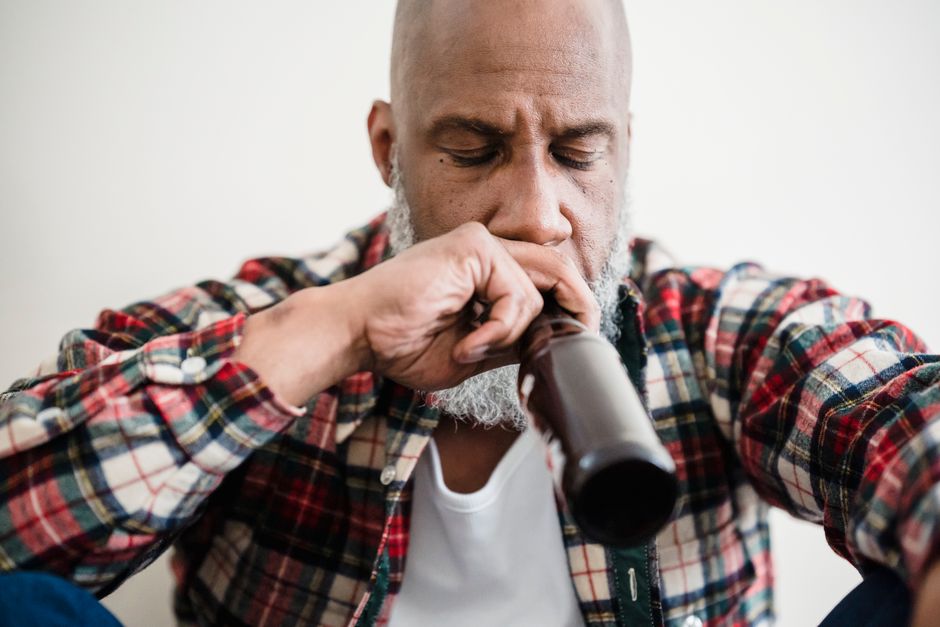
You cannot force someone to stop drinking, but you can change how you respond to their addiction. The most effective approach combines a calm, honest conversation, clear boundaries, and professional treatment options. Addiction is a medical condition, not a choice, and the person must decide to seek help for lasting change to happen.
Why You Cannot Force Someone to Stop Drinking
Alcohol use disorder changes how the brain works. It affects the areas that control judgment, decision-making, and impulse control. This is why simply asking someone to stop or explaining the harm rarely works. The brain is telling them they need alcohol to function.
This is not an excuse for their behavior. It is an explanation of what you are up against. Understanding this helps you stop blaming yourself and start using strategies that actually have a chance of working.
You cannot love someone into sobriety. You cannot argue them into it either. What you can do is create conditions where the consequences of drinking become real and where help is available when they are ready.
What Actually Works to Help Someone Stop Drinking
The evidence points to a few approaches that make a real difference. None of them are quick fixes. All of them require patience and consistency.
Motivational interviewing is one of the most studied approaches. This is a style of conversation where you ask open questions and reflect back what the person says. Instead of telling them they have a problem, you help them see the gap between their goals and their drinking. When people identify their own reasons to change, they are more likely to act.
Community reinforcement is another proven method. This involves making sober life more rewarding than drinking life. It can mean helping the person rebuild relationships, find sober activities, or address job and housing problems. The goal is to make sobriety the better option.
Medication-assisted treatment is underused but effective. Medications like naltrexone, acamprosate, and disulfiram can reduce cravings or make drinking unpleasant. These are prescribed by doctors and work best combined with counseling. Many people do not know these options exist.
What does not work is nagging, threatening, hiding bottles, or pouring alcohol down the drain. These actions create conflict without addressing the underlying condition. They often push the person away and make them more secretive.
How to Talk to an Alcoholic About Their Drinking
Choose a time when the person is sober. A conversation during or right after drinking will not land. Pick a private, calm setting where neither of you feels rushed.
Use “I” statements instead of “you” accusations. Say “I am worried about your health” rather than “You are destroying yourself.” Describe specific behaviors you have witnessed. “Last Tuesday you missed your daughter’s recital” is more effective than “You are never there for your family.”
Be prepared for denial, anger, or deflection. These are common responses. Do not argue back. State your concerns once, clearly, and let the silence sit. You do not need to win the argument. You need to plant a seed.
Offer concrete help. Have a list of treatment options ready. Know the name of a local addiction specialist or a detox facility. If the person says they want help, you want to be able to act immediately. Waiting gives them time to change their mind.





Setting Boundaries That Protect You and Your Family
Boundaries are not punishments. They are rules that protect your safety and well-being. They also create natural consequences for drinking, which can motivate change.
Examples of healthy boundaries include refusing to lie for the person, not lending them money, and not allowing drinking in your home. If the person drives drunk, you can say you will call the police. If they show up intoxicated to family events, you can say they will not be admitted.
The key is to state the boundary once and enforce it every single time. Inconsistent enforcement teaches the person that your boundaries are negotiable. This is hard. It feels cruel at first. But enabling behavior — covering for them, bailing them out, absorbing the damage — prolongs the addiction.
Research consistently shows that family members who enable drinking delay recovery. When consequences become unavoidable, the person is more likely to consider change.
What Professional Treatment Options Exist
Treatment for alcohol use disorder ranges from outpatient counseling to residential programs. The right level depends on the severity of the addiction and whether the person has medical complications.
Detoxification is the first step for people with physical dependence. Stopping alcohol suddenly can cause dangerous withdrawal symptoms, including seizures and delirium tremens. Medical supervision during detox is essential for heavy drinkers. This is not optional. Withdrawal from alcohol can be fatal.
Outpatient programs involve regular therapy sessions while the person lives at home. These work well for people with moderate addiction and a stable home environment. Intensive outpatient programs offer more structure, often several hours a day, several days a week.
Residential treatment removes the person from their environment entirely. These programs last 30 to 90 days on average and provide 24-hour support. They are appropriate for people who have failed outpatient treatment or who have severe addiction.
Mutual support groups like Alcoholics Anonymous and SMART Recovery provide ongoing peer support. Some research supports their effectiveness, though results vary. They are free and widely available, which makes them a valuable complement to professional treatment.
Medications can be part of any of these approaches. Naltrexone blocks the rewarding effects of alcohol. Acamprosate reduces cravings after sobriety is achieved. Disulfiram causes nausea and flushing if alcohol is consumed. A doctor should evaluate which medication, if any, is appropriate.
What to Do If the Person Refuses Help
This is the hardest situation. You cannot force an adult into treatment unless they are a danger to themselves or others, and even then, legal options are limited and vary by state.
Your best option is to continue setting boundaries and to make help available when they are ready. Some people need to hit a personal bottom before they accept help. That bottom looks different for everyone. It might be a health scare, a job loss, or a divorce.
You can also consider a formal intervention. This involves a trained professional guiding family and friends through a structured conversation. Interventions can be effective, but they can also backfire if not done properly. They are not a first-line strategy.
Attend support groups for families, such as Al-Anon. These groups teach you how to detach with love and focus on your own well-being. You cannot control another person’s drinking. You can control how it affects you.
How Long Does Recovery Take
There is no fixed timeline. Some people achieve sobriety after their first treatment attempt. Many do not. Relapse is common and should be treated as part of the process, not a failure.
Research suggests that longer engagement with treatment is associated with better outcomes. A person who stays in counseling for several months has better chances than someone who stops after a few weeks. Recovery is a long-term process, not a single event.
Many people experience significant improvement even if they do not achieve complete abstinence. Reduced drinking, fewer binge episodes, and better functioning are all positive outcomes. The goal is progress, not perfection.
The Role of Medication in Long-Term Recovery
Medication can play a role beyond detox. Some people take naltrexone for months or years to reduce cravings. This is not a cure, but it can make sobriety more achievable.
One non-obvious insight is that medication works best when the person is actively engaged in treatment. A pill alone rarely solves addiction. Combined with counseling, it can tip the balance.
Talk to a doctor who specializes in addiction medicine. General practitioners may not be familiar with these medications. An addiction specialist can provide a more complete assessment and treatment plan.
Frequently Asked Questions
Can you force someone to stop drinking?
No, you cannot force an adult into sobriety unless they are an immediate danger to themselves or others. Legal options like court-ordered treatment exist in some cases but are limited and vary by state.
What is the most effective way to help an alcoholic?
Motivational interviewing and community reinforcement have the strongest evidence. These approaches help the person find their own reasons to change and make sober life more rewarding.
Does medication help alcoholics stop drinking?
Yes, medications like naltrexone and acamprosate can reduce cravings and support sobriety. They work best when combined with counseling and are prescribed by a doctor.
Should I pour out an alcoholic’s liquor?
No, pouring out alcohol usually creates conflict and does not address the underlying addiction. The person will simply find more alcohol, and the action damages trust.
