
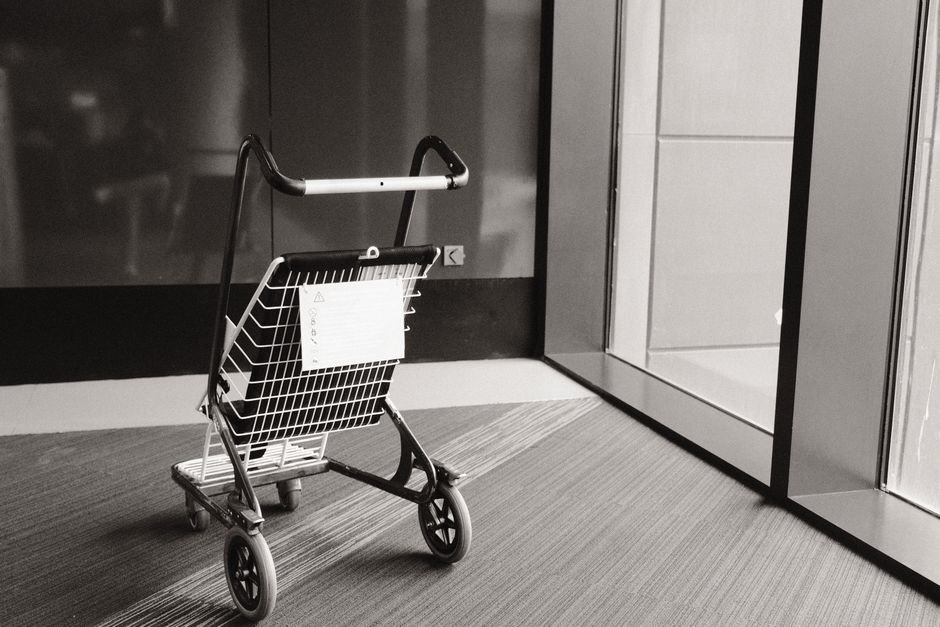
A squeaky or scraping walker can make every step feel louder than it needs to be. It draws attention, disturbs others, and can even make you feel self-conscious about using a device that helps you stay mobile. The good news is that most walker noise comes from a few common sources, and each one has a straightforward fix. You can quiet a walker on any floor type by addressing the rubber tips, the hinges, and the way the walker is adjusted to your height. These are practical, low-cost solutions you can often do in minutes at home.
Why Is My Walker Making Noise in the First Place?
Walker noise almost always comes from one of three places: the feet, the moving joints, or the frame itself. The most common culprit is worn or hard rubber tips on the bottom of the legs. Over time, these tips wear down, become smooth, and lose their grip. When that happens, the metal leg of the walker can scrape directly against the floor, creating a loud, scratching sound.
Another frequent source is the hinges on a folding walker. These joints have small moving parts that rub together. When they dry out or collect dust and debris, they can squeak with every step. The frame itself can also rattle if screws and bolts have worked themselves loose from normal use.
Floor type matters too. Hard surfaces like tile, hardwood, and laminate amplify noise. Soft surfaces like carpet muffle some sound but create a different problem — the walker tips can drag and catch. Understanding what is causing the noise on your specific floor is the first step to fixing it.
How To Make A Walker Quieter On Any Floor Type: Start With the Tips
The rubber tips, sometimes called glides or ferrules, are the part of the walker that touches the floor. They are the first thing you should check. If they are worn smooth, cracked, or missing, they need to be replaced. This is the single most effective fix for a noisy walker.
Look at the bottom of each leg. A healthy tip has a visible tread pattern and is thick enough to keep the metal leg off the ground. If you can see the metal tube inside the rubber, the tip is worn out. Replacement tips are inexpensive and available at most pharmacies, medical supply stores, and online retailers. They come in different sizes, so measure the diameter of your walker leg before buying new ones.
For hard floors like tile or hardwood, consider replacing standard tips with ones designed specifically for indoor use. These often have a softer rubber compound that grips better and makes less noise. Some manufacturers make tips with a felt or glide base that slides smoothly across hard flooring without scraping. These are a popular choice for people who use their walker mostly inside.
For carpeted floors, standard rubber tips often work fine. The problem on carpet is usually dragging, not scraping. If the walker is hard to lift, the tips can catch on the carpet fibers and create a jerky, noisy motion. A glide tip with a smooth bottom can help the walker slide more easily across carpet without catching.
Do not use tennis balls. This is a common internet hack, but it is not a good solution. Tennis balls wear out quickly, collect dirt, and can leave marks on floors. They also do not provide the stable grip that a proper rubber tip offers. Medical supply stores sell purpose-made glide tips that do the job safely and quietly.
Silencing Squeaky Hinges and Loose Frames
If the walker is still noisy after addressing the tips, the sound is likely coming from the moving parts. Folding walkers have hinges that allow the sides to collapse for storage. These hinges rub together with every step, and when they are dry, they squeak.
A silicone-based lubricant is the right choice for this job. Apply a small amount to the hinge mechanism and work the joint back and forth a few times to spread it evenly. Wipe away any excess with a clean cloth. Silicone lubricant is preferred over oil-based products because it does not attract dust and dirt, which can make the problem worse over time.
Loose screws and bolts are another common source of rattling. Check all the connections on the frame, including where the legs meet the crossbars and where the handles attach. Use the appropriate screwdriver or Allen wrench to tighten anything that feels loose. Be careful not to overtighten, as this can strip the threads.
If the walker has a seat, check the brackets that hold it in place. A loose seat will rattle with every step. Tighten the bolts and test the seat by sitting on it to make sure it is stable.





Adjusting the Height to Reduce Noise and Strain
A walker that is set to the wrong height is harder to use and noisier. When the walker is too low, you have to hunch over, which puts more weight on the walker and causes the tips to drag and scrape. When it is too high, you cannot put enough weight through your arms, which makes the walker unstable and harder to control.
The correct height allows your elbows to bend at about a 15 to 20 degree angle when your hands rest on the grips. Your wrists should be level with the hip joint when you stand up straight. Most walkers have push-button or twist-lock adjustments on the legs. Adjust all four legs to the same height so the walker sits level on the floor.
An uneven walker rocks and shifts with each step, which creates noise and is a safety hazard. If your floors are not perfectly level, some walkers have adjustable tips that can be set to different lengths to compensate. This is a feature worth looking for if you have uneven floors at home.
Floor-Specific Tips for Quieter Movement
Different floors require slightly different approaches. Matching your walker setup to your flooring can make a noticeable difference in noise level.
On tile and hardwood, the main goal is to prevent scraping. Soft rubber tips or glide tips work best. These surfaces are unforgiving, so any metal-to-floor contact will be loud. Check the tips frequently on these floors because they wear down faster.
On laminate flooring, the same advice applies. Laminate is durable but can be scratched by worn tips. Glide tips with a smooth felt or plastic base are a good option here. They slide cleanly without the sticking and releasing motion that causes squeaking.
On carpet, the issue is often friction. Standard rubber tips can catch on the fibers, making the walker hard to push forward. This creates a jerky motion that is noisy and tiring. Glide tips with a larger, smoother surface area reduce friction and make movement easier.
On concrete or outdoor surfaces, noise is less of a concern, but tip wear is faster. Use durable, all-weather tips outdoors and switch to indoor glide tips when you come back inside. This extends the life of both sets of tips and keeps indoor noise to a minimum.
When To Replace the Walker Itself
Sometimes the walker itself is the problem. If the frame is bent, cracked, or severely rusted, no amount of tip replacement or lubrication will fix the noise. A damaged walker is also a safety risk. It can collapse or fail under your weight.
Inspect the walker regularly for signs of wear. Check the frame for bends or cracks, especially where the legs meet the crossbars. Look at the grips for wear and tear. If the grips are cracked or slippery, replace them. Check the hinges for excessive play or looseness that tightening cannot fix.
If the walker is more than a few years old and has seen daily use, it may simply be time for a new one. Medicare and many private insurance plans cover walkers with a doctor’s prescription. A physical therapist or occupational therapist can help you choose the right type of walker for your needs and make sure it fits you properly.
Regular maintenance keeps a walker quiet and safe. Wipe the frame down weekly to remove dust and debris. Check the tips monthly for wear. Lubricate the hinges every few months. These small habits prevent small problems from becoming big ones.
Frequently Asked Questions
What is the best way to stop a walker from scraping on hard floors?
Replace worn rubber tips with new ones designed for indoor use, such as glide tips with a smooth base. This prevents metal-to-floor contact, which is what causes the scraping sound.
Can I use tennis balls on my walker to make it quieter?
No, tennis balls are not a safe or effective solution. They wear out quickly, collect dirt, and do not provide stable grip. Purpose-made glide tips from a medical supply store are safer and quieter.
How do I stop my walker from squeaking when I walk?
Apply a small amount of silicone-based lubricant to the hinges and fold the walker back and forth to spread it. Also check that all screws and bolts are tight, as loose connections cause rattling and squeaks.
How often should I replace the tips on my walker?
Check the tips monthly and replace them when the tread looks smooth or the metal leg is visible inside the rubber. On hard floors, tips wear out faster than on carpet, so inspect them more frequently.
