
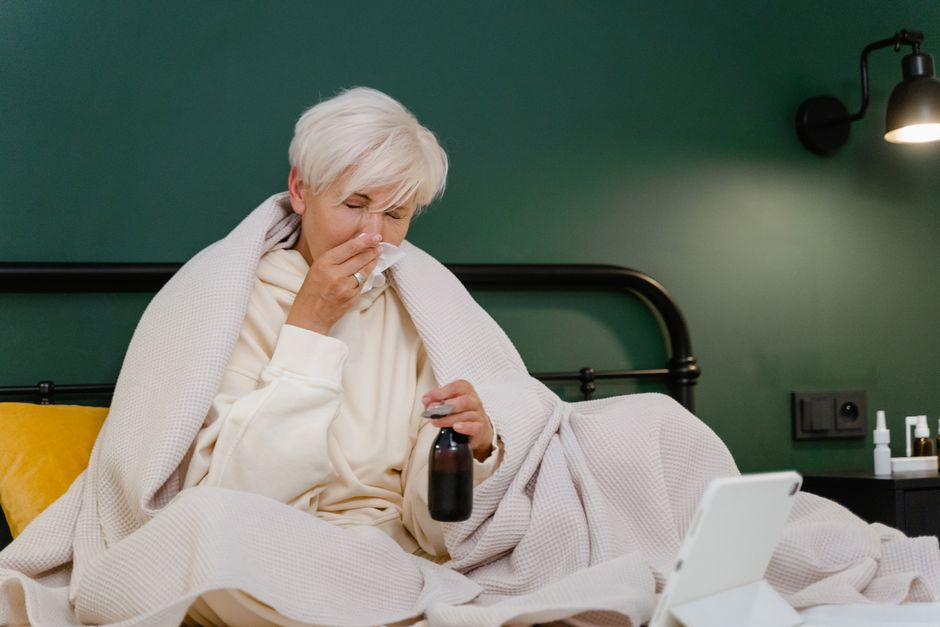
A cold usually runs its course in about seven to ten days, and no pill or supplement has been shown to shorten that timeline reliably. What works is managing symptoms, getting rest, staying hydrated, and avoiding things that don’t help. The single most effective step is prevention through handwashing, since most colds spread by touch and droplets.
Most people searching for a faster cold remedy are really asking two questions: what actually shortens a cold, and what just makes me feel better while it runs its course. Those are different goals. Feeling better matters, but it doesn’t change how long the virus lasts. Here’s what the evidence supports and what it doesn’t.
What Actually Causes a Cold?
Colds are viral infections, most often caused by rhinoviruses, though coronaviruses, adenoviruses, and other viruses can produce the same symptoms. There are more than 200 virus strains that cause colds, which is why you can catch one after another and why a vaccine hasn’t been practical to develop.
The virus infects the lining of your nose and throat. Your immune system responds with inflammation, which produces the symptoms you feel: runny nose, congestion, sore throat, sneezing, and sometimes a mild cough or low fever. Those symptoms are mostly your body fighting the infection, not the virus doing direct damage.
This matters for treatment. Because a cold is viral, antibiotics do nothing. They target bacteria. Taking antibiotics for a cold doesn’t shorten it, and unnecessary use contributes to antibiotic resistance. This is one of the clearest points in the medical literature.
Colds spread mainly through droplets from coughs and sneezes, and through hands touching contaminated surfaces then touching the eyes, nose, or mouth. That’s why handwashing is the most reliable prevention step.
How To Help A Cold Go Away Faster What Works?
No treatment has been shown to reliably shorten a cold. The honest answer is that most remedies manage symptoms while your immune system clears the infection on its own. That said, some approaches have better evidence than others for easing symptoms and supporting recovery.
Rest and sleep support immune function. Sleep deprivation impairs immune response in studies, though research has not directly measured whether extra sleep shortens a specific cold. Getting adequate rest is reasonable and low-risk.
Fluids help keep mucus thin and prevent dehydration, especially if you have a fever. Water, broth, and warm drinks are fine. There’s no strong evidence that any specific fluid speeds recovery, but staying hydrated is sensible and safe.
Honey has modest evidence for soothing cough, particularly in children over age one. Research published in journals including Pediatrics has found honey can reduce nighttime cough compared with no treatment. Never give honey to infants under 12 months because of the risk of infant botulism.
Saline nasal rinses or sprays can help clear congestion and are low-risk when used correctly. Some studies suggest saline irrigation may modestly reduce symptoms, though results vary. Use distilled, sterile, or previously boiled water for nasal rinses — never untreated tap water.
Humidified air may ease throat irritation and congestion. The evidence is limited, but it’s low-risk.
What does not reliably shorten a cold: vitamin C taken after symptoms start, echinacea, and most over-the-counter combination products. These may ease symptoms but haven’t been shown to speed recovery in well-controlled trials.
Do Over-the-Counter Cold Medicines Shorten a Cold?
No. Over-the-counter cold medicines ease symptoms but do not shorten the illness. Decongestants reduce swelling in nasal passages, antihistamines may dry up a runny nose, and pain relievers reduce fever and sore throat discomfort. None of them fight the virus.
Decongestant nasal sprays should not be used for more than a few days in a row, because prolonged use can cause rebound congestion — a cycle where congestion returns worse when you stop. This is well documented.
Oral decongestants like pseudoephedrine can raise blood pressure and heart rate. People with high blood pressure, heart disease, or thyroid conditions should talk to a pharmacist or clinician before using them. This is established guidance, not a minor caution.
Combination cold products often contain several ingredients, including ones you may not need. Reading the label matters, especially to avoid doubling up on the same ingredient across products. Acetaminophen, for example, appears in many cold and flu products, and taking two at once can exceed safe limits and risk liver damage.
For children, cold medicines are a special case. Major pediatric and regulatory guidance advises against giving over-the-counter cough and cold medicines to children under age four, and recommends caution in older children. The evidence for benefit in young children is weak, and the risk of side effects is real.





Does Vitamin C or Zinc Help a Cold?
The evidence is mixed and depends heavily on when you start. Vitamin C taken regularly before a cold may modestly reduce how long it lasts in some people, according to reviews of the research, but taking it after symptoms begin has not been shown to help. It is not a treatment once you’re sick.
Zinc is more debated. Some studies suggest zinc lozenges started within the first day or two of symptoms may shorten a cold, but results across trials are inconsistent, and the formulations and doses varied widely. Zinc lozenges can cause nausea and a metallic taste, and long-term high-dose zinc can interfere with copper absorption. No clinical guidelines currently recommend a specific zinc dose for cold treatment.
Echinacea has been studied for years with inconsistent results. Some trials suggest a small benefit; others show none. The evidence is not strong enough to recommend it as a reliable way to shorten a cold.
This is where marketing outruns evidence. Many supplements are sold with claims that no large human trial has confirmed. A reasonable position: none of these is proven to reliably shorten a cold, and none replaces rest, fluids, and time.
What About Rest, Fluids, and Sleep?
These are the basics, and they matter more than any supplement. Your immune system does the actual work of clearing the virus. Supporting it with rest, sleep, and hydration is sensible even though research hasn’t measured exactly how much each shortens a cold.
Fever increases fluid loss, so drinking more during a fever is important. Watch for signs of dehydration: dark urine, dry mouth, dizziness, or reduced urination. These warrant attention, especially in children and older adults.
Sleep and immune function are closely linked. Studies have found that people who sleep poorly are more likely to catch colds when exposed to rhinovirus. Whether sleeping more once you’re sick speeds recovery hasn’t been directly proven, but rest is low-risk and reasonable.
When Should You See a Doctor?
Most colds resolve on their own. Seek medical care if symptoms last more than about ten days without improving, if they worsen after seeming to improve, or if you develop a high fever, trouble breathing, chest pain, or severe sinus pain. These can signal something more than a cold, such as a sinus infection, bronchitis, or pneumonia.
Certain groups should be more cautious: infants, older adults, pregnant people, and anyone with asthma, COPD, or a weakened immune system. For these groups, a cold can be more serious, and earlier medical advice is reasonable.
It’s also worth knowing that “cold” and “flu” are different. Influenza tends to come on faster and hit harder, with higher fever and more body aches. Antiviral medications exist for influenza but not for the common cold, and they work best when started early. This is another reason an accurate diagnosis matters.
How Can You Prevent Colds in the First Place?
Prevention is the most reliable strategy, because treatment options are limited. Handwashing with soap and water is the best-supported measure. Wash for at least 20 seconds, especially after being around someone who is sick and before eating.
Avoid touching your eyes, nose, and mouth with unwashed hands — this is how viruses most often get from surfaces into your body. Keep distance from people who are visibly ill, and cover coughs and sneezes.
There’s no vaccine for the common cold, and no supplement has been proven to prevent colds reliably. Some evidence suggests adequate sleep, managing stress, and not smoking support general immune health, but these are broad health measures rather than cold-specific guarantees.
Frequently Asked Questions
How long does a cold usually last?
Most colds last about seven to ten days, though a lingering cough can persist a bit longer. Symptoms typically peak in the first few days and then gradually improve.
Does vitamin C shorten a cold?
Taken regularly before a cold, vitamin C may modestly reduce how long it lasts in some people, but starting it after symptoms begin has not been shown to help. It is not an effective treatment once you’re sick.
Should I take antibiotics for a cold?
No. Colds are caused by viruses, and antibiotics only work against bacteria. Taking them for a cold does not help and contributes to antibiotic resistance.
Can I give my child honey for a cough?
Honey may soothe a cough in children over age one, but never give honey to infants under 12 months because of the risk of infant botulism. For young children, avoid over-the-counter cough and cold medicines unless a clinician advises otherwise.
