
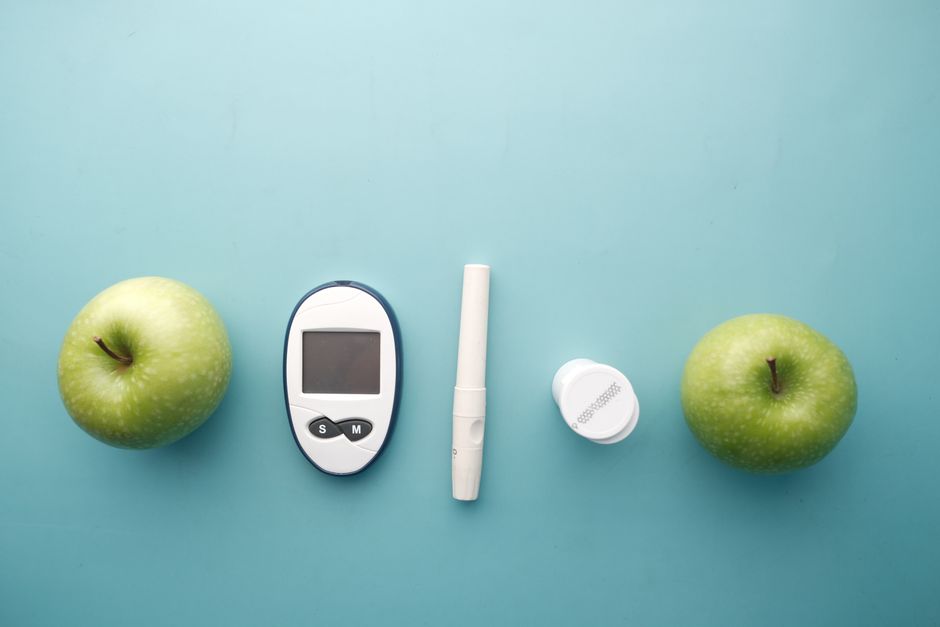
High blood sugar is a major health concern for millions of Americans, and the good news is that lifestyle changes are the first line of defense. You can lower your sugar levels naturally by focusing on what you eat, how you move, and how you manage stress. The most effective approach combines a diet rich in fiber and protein with regular physical activity, while avoiding added sugars and refined carbohydrates.
Why Does Blood Sugar Rise?
When you eat carbohydrates, your body breaks them down into glucose, which enters your bloodstream. Your pancreas then releases insulin, a hormone that tells your cells to absorb that glucose for energy. When this system works well, your blood sugar stays in a healthy range.
Problems arise when your cells stop responding to insulin properly. This is called insulin resistance. Your pancreas works harder to produce more insulin, but your blood sugar levels remain high. Over time, this can lead to prediabetes and type 2 diabetes if left unaddressed.
Certain foods cause a faster and higher spike in blood sugar than others. Refined carbohydrates like white bread, sugary drinks, and pastries are digested quickly, flooding your bloodstream with glucose. Foods high in fiber, protein, and healthy fats slow this process down, keeping your blood sugar more stable.
What Foods Naturally Lower Blood Sugar?
No single food will magically fix your blood sugar, but some foods have properties that help your body manage glucose more effectively. Fiber is the most important nutrient for blood sugar control because it slows digestion and the absorption of sugar into your bloodstream.
Foods rich in soluble fiber are especially helpful. Oats, barley, beans, lentils, apples, and carrots all contain soluble fiber that forms a gel-like substance in your gut, which delays stomach emptying and slows sugar absorption. Research consistently shows that higher fiber intake is linked to better blood sugar control.
Protein also plays a key role. When you pair carbohydrates with protein, the protein slows the breakdown of those carbs. Eggs, fish, chicken, tofu, and Greek yogurt are excellent sources. A meal of plain white rice will spike your blood sugar much more than the same rice served with grilled chicken and vegetables.
Healthy fats work similarly. Avocado, nuts, seeds, and olive oil slow digestion and help you feel full longer. They also reduce the glycemic load of a meal, meaning the overall effect on your blood sugar is less dramatic.
Some research suggests that certain foods like cinnamon, apple cider vinegar, and fenugreek seeds may have modest blood sugar-lowering effects. The evidence for these is mixed and the effects are small. They are not substitutes for diet and exercise, but they can be part of an overall healthy eating pattern.
How To Lower My Sugar Levels Naturally With Exercise?
Physical activity is one of the most powerful tools you have for lowering blood sugar. When you exercise, your muscles need energy, and they pull glucose from your bloodstream to get it. This happens even without insulin, which is why exercise is so effective for people with insulin resistance.
The effects are not just temporary. Regular exercise improves your cells’ sensitivity to insulin over time, meaning your body needs less insulin to manage the same amount of glucose. This improvement can last for hours or even days after your workout.
Both aerobic exercise and resistance training matter. Aerobic activities like walking, swimming, and cycling burn glucose quickly. Resistance training with weights or bodyweight exercises builds muscle mass, and more muscle means more tissue available to absorb glucose from your blood.
A combination of both is ideal. The American Diabetes Association recommends at least 150 minutes of moderate-intensity aerobic activity per week, spread over at least three days, with no more than two consecutive days without activity. They also recommend resistance training at least two to three times per week on non-consecutive days.
Even light activity helps. A short walk after meals can significantly reduce the post-meal blood sugar spike. This is because your muscles are actively using glucose during and right after the walk.





How Much Water Should You Drink For Blood Sugar Control?
Dehydration can raise blood sugar levels. When you are dehydrated, your blood becomes more concentrated, so the glucose in it is more concentrated too. Your kidneys also need water to flush excess sugar out through urine.
Drinking enough water helps your kidneys work properly and can help lower blood sugar. There is no specific amount of water proven to lower blood sugar, but general hydration guidelines apply. Most adults should aim for about eight glasses of water per day, though needs vary based on activity level, climate, and body size.
Water is the best choice. Sugary drinks like soda, sweet tea, and fruit juice will raise your blood sugar directly. Diet sodas with artificial sweeteners do not raise blood sugar, but some research suggests they may still affect insulin response in some people. The evidence here is mixed, and water remains the safest and most reliable option.
One non-obvious point: thirst can sometimes mask itself as hunger. People who are dehydrated may eat more than they need, which can lead to higher blood sugar. Staying well-hydrated helps you avoid unnecessary snacking.
Can Stress And Sleep Affect Your Blood Sugar?
Yes, and the effect is significant. Stress hormones like cortisol and adrenaline tell your liver to release stored glucose into your bloodstream. This is part of the fight-or-flight response, designed to give you quick energy in a crisis. But when stress is chronic, your blood sugar stays elevated.
Poor sleep has a similar effect. Studies have found that even one night of insufficient sleep can reduce insulin sensitivity in healthy people. Chronic sleep deprivation is linked to higher fasting blood sugar and a higher risk of developing type 2 diabetes.
Managing stress is not just about feeling better emotionally. It directly affects your blood sugar levels. Deep breathing, meditation, and regular physical activity are all proven stress reducers. Even a few minutes of slow, deep breathing can lower cortisol levels.
Sleep hygiene matters too. Aim for seven to nine hours of quality sleep per night. Keep your bedroom cool and dark, avoid screens for an hour before bed, and try to go to sleep and wake up at consistent times. These habits support stable blood sugar.
What Is The Glycemic Index And Does It Matter?
The glycemic index (GI) ranks foods based on how quickly they raise blood sugar. Foods with a high GI, like white bread and sugary cereals, are digested quickly and cause rapid spikes. Foods with a low GI, like lentils and most vegetables, are digested slowly and cause a gradual rise.
Knowing the GI of foods can help you make better choices, but it has limitations. The GI does not account for portion size. A food’s glycemic load (GL) does, which is why many experts prefer it. Glycemic load is calculated by multiplying the GI by the grams of carbohydrate in a serving and dividing by 100.
A practical approach is simpler than memorizing numbers. Choose whole, minimally processed foods most of the time. Eat vegetables at every meal. Pick whole grains over refined ones. Pair carbohydrates with protein and fat. These habits naturally lower the glycemic impact of your meals.
The order you eat your food matters too. Some research suggests that eating vegetables and protein before carbohydrates can reduce the post-meal blood sugar spike. The fiber and protein slow stomach emptying and reduce how quickly the carbs hit your bloodstream.
What About Supplements For Blood Sugar?
The supplement market is full of products claiming to lower blood sugar. Most of these claims are not supported by strong evidence. A few supplements have shown modest effects in small studies, but none are proven to replace lifestyle changes or medication.
Some research suggests that berberine, a compound found in certain plants, may lower blood sugar similarly to the medication metformin. However, the studies are small, and berberine is not regulated by the FDA. It can interact with other medications and cause digestive side effects.
Magnesium is another supplement sometimes recommended for blood sugar control. Magnesium deficiency is associated with insulin resistance, and correcting a deficiency may improve blood sugar. But if your magnesium levels are normal, taking extra is unlikely to help.
Vitamin D deficiency is also linked to higher blood sugar, but the evidence that supplementation improves blood sugar is mixed. Some studies show benefit, others do not. If you are deficient, correcting that deficiency is good for your overall health regardless.
Before taking any supplement, talk to your doctor. Some supplements can interact with diabetes medications and cause dangerously low blood sugar. No supplement is a substitute for diet, exercise, and medical care.
When Should You See A Doctor?
If you are experiencing symptoms of high blood sugar, you should see a doctor. These symptoms include increased thirst, frequent urination, fatigue, blurred vision, and slow-healing wounds. These symptoms can also indicate other conditions, so a proper diagnosis is essential.
If you have been diagnosed with prediabetes or type 2 diabetes, regular medical care is critical. Your doctor can monitor your blood sugar with blood tests, adjust medications if needed, and help you set realistic goals. Natural methods work best when combined with professional medical guidance.
If you are on medication for diabetes, do not stop or change your dose without talking to your doctor. Natural approaches can lower your blood sugar so much that your medication needs may change. This is a good thing, but it must be managed carefully to avoid dangerous low blood sugar.
Emergency warning signs require immediate medical attention. These include blood sugar above 240 mg/dL with ketones in your urine, or signs of diabetic ketoacidosis like nausea, vomiting, abdominal pain, and fruity-smelling breath. These are medical emergencies, not situations for home remedies.
Frequently Asked Questions
How quickly can natural methods lower blood sugar?
Some methods work within hours, like exercise and drinking water. Dietary changes typically show measurable improvements in blood sugar within a few days to a few weeks, while long-term habits like weight loss and improved sleep take longer.
Can drinking apple cider vinegar lower blood sugar?
Some small studies suggest apple cider vinegar may modestly reduce post-meal blood sugar spikes. The effect is small, and it should never replace diabetes medication or a healthy diet.
Is walking after meals effective for lowering blood sugar?
Yes, a short walk after eating can significantly reduce the post-meal blood sugar spike. Your muscles use glucose for energy during the walk, which helps clear it from your bloodstream.
What is a normal fasting blood sugar level?
A normal fasting blood sugar level is below 100 mg/dL. Levels between 100 and 125 mg/dL indicate prediabetes, and levels of 126 mg/dL or higher on two separate tests indicate diabetes.
