
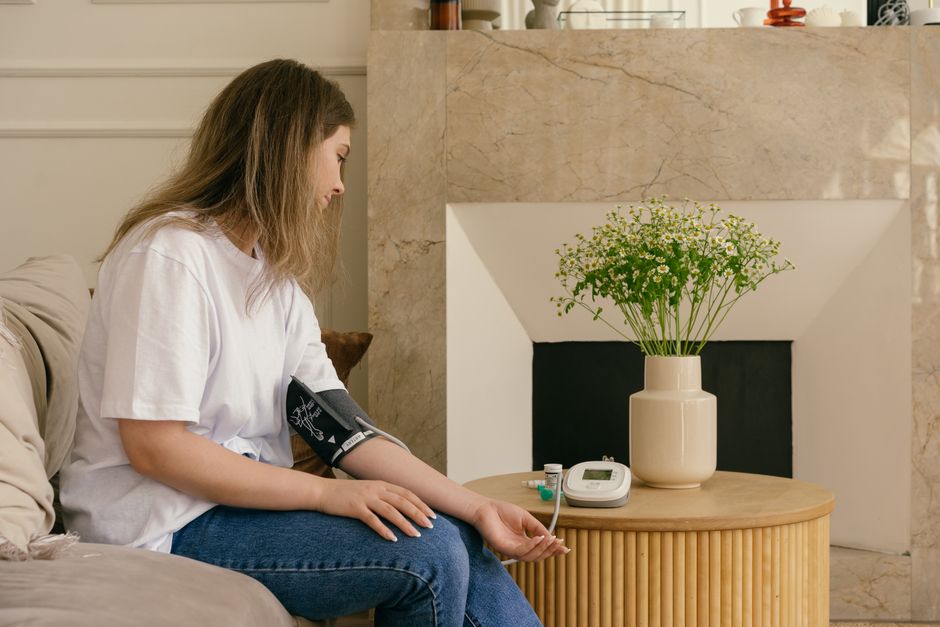
Anger makes your heart beat faster and your blood vessels tighten. That is a normal physical response to stress. But for someone with high blood pressure, that temporary spike can feel alarming. You can lower your blood pressure quickly by slowing your breathing, relaxing your muscles, and stepping away from the trigger. The fastest method is slow, deep breathing — inhale for four counts, exhale for six counts — for two to three minutes. This activates your body’s relaxation response and helps your blood pressure start coming back down.
What Happens to Your Blood Pressure When You Get Angry?
Anger triggers your body’s fight-or-flight response. Your adrenal glands release hormones like adrenaline and cortisol. These hormones make your heart pump harder and faster. Your blood vessels narrow. Together, these changes push your blood pressure up.
This spike is temporary for most people. Once the anger passes, blood pressure usually returns to its normal level. But the rise can be significant. In someone with already elevated blood pressure, the increase can be more dramatic.
The physical sensations of anger — a racing heart, flushed face, tense muscles — are your body preparing to defend itself. That response was useful for our ancestors facing physical threats. In modern life, it often gets triggered by traffic, emails, or arguments. The body cannot tell the difference between a physical threat and an emotional one.
How To Lower Blood Pressure Fast When You’re Angry
The fastest way to lower blood pressure during anger is to activate your parasympathetic nervous system. This is the system that calms your body down. It works against the fight-or-flight response.
Slow breathing is the most effective immediate tool. Breathe in through your nose for four seconds. Hold briefly. Breathe out through your mouth for six seconds. The longer exhale is what matters. It stimulates the vagus nerve, which signals your heart to slow down.
Do this for three minutes. You should feel your heart rate begin to drop. Your blood pressure will follow, though not as instantly as your heart rate.
Other fast-acting techniques include:
- Progressive muscle relaxation: Tense each muscle group for five seconds, then release. Start with your hands, move to your arms, shoulders, face, and legs.
- Cold water: Splash cold water on your face. This triggers the mammalian dive reflex, which slows your heart rate.
- Physical distance: Walk away from the situation. Even two minutes of separation helps your body begin to calm down.
- Counting backward: Count down from 100 by sevens. This forces your brain to focus on a task instead of the anger trigger.
These techniques work because they interrupt the stress response. They give your body a chance to start clearing the stress hormones from your system.
Breathing Techniques That Work Quickly
Not all breathing is equal. The pattern matters more than the act itself.
Extended exhale breathing is the most studied pattern for rapid calming. The ratio of inhale to exhale is what counts. A longer exhale activates the relaxation response more effectively than equal-length breaths.
A simple pattern to remember: breathe in for four counts, breathe out for six counts. If that feels uncomfortable, try in for three and out for five. The key is making the exhale longer than the inhale.
Box breathing is another option. Breathe in for four counts, hold for four, exhale for four, hold for four. Repeat for several minutes. This pattern is used by military personnel and first responders to stay calm under pressure.
You can also try diaphragmatic breathing. Place one hand on your chest and one on your belly. Breathe so that your belly hand rises more than your chest hand. This ensures you are breathing deeply rather than taking shallow chest breaths.
Practice these techniques when you are calm. If you wait until you are angry to try them for the first time, they will be harder to execute. Regular practice makes the response automatic.




Physical Ways To Release Anger Quickly
Physical activity can help burn off the adrenaline from anger. But the type matters.
A brisk walk is often the best choice. It gets your heart rate up slightly, which helps your body process the stress hormones. It also removes you from the situation that triggered your anger.
Vigorous exercise — like running or intense cycling — can also help. But it may not be appropriate if your blood pressure is very high. If your resting blood pressure is above 180/120, do not start intense exercise. Wait until it comes down with rest and breathing.
Muscle tension release works on a smaller scale. When you are angry, your shoulders, jaw, and hands tense up. Consciously releasing that tension sends a signal to your brain that the threat has passed.
Progressive muscle relaxation combines physical and mental calming. Tense a muscle group hard for five seconds. Then release completely. Notice the difference between tension and relaxation. Move through your body systematically.
One caution: punching a pillow or hitting something is not recommended. Research does not support venting anger as a way to release it. Some studies suggest it can actually increase anger. Physical release is better achieved through walking, stretching, or controlled breathing.
When Anger Raises Blood Pressure to Dangerous Levels
Most anger-related blood pressure spikes are temporary and harmless. But there are times when you need to be more careful.
If you have diagnosed high blood pressure, an anger spike can push you into a higher risk zone. This is especially concerning if you have other conditions like heart disease or a history of stroke.
Hypertensive crisis is defined as blood pressure above 180/120. If your blood pressure reaches this level and you have symptoms like chest pain, shortness of breath, severe headache, or vision changes, seek emergency care immediately.
If your blood pressure is above 180/120 but you have no symptoms, wait five minutes and check again. If it is still that high, contact your doctor. Do not wait for symptoms to develop.
Most people will not reach these levels from anger alone. But if you have underlying hypertension, the combination of anger and other factors — like missing medication doses or consuming caffeine — can push you higher.
Do not stop taking your blood pressure medication because you are angry. Medication adherence is one of the most important factors in controlling blood pressure over time.
Long-Term Ways To Manage Anger and Blood Pressure
Quick fixes help in the moment. But reducing how often anger spikes your blood pressure requires longer-term strategies.
Regular exercise lowers resting blood pressure and improves your stress response. The American Heart Association recommends at least 150 minutes of moderate aerobic activity per week. This does not have to be intense. Brisk walking counts.
Cognitive reappraisal is a technique from cognitive behavioral therapy. It involves changing how you interpret a situation. When you feel anger rising, ask yourself: is this worth my physical stress response? Often the answer is no.
Mindfulness meditation has shown benefits for both anger management and blood pressure. It teaches you to notice your emotional state without immediately reacting. Over time, this can reduce the intensity of anger responses.
Sleep matters more than most people realize. Poor sleep increases both anger reactivity and blood pressure. Most adults need seven to nine hours per night.
Diet also plays a role. A diet high in processed foods and sodium raises baseline blood pressure. The DASH diet — rich in fruits, vegetables, whole grains, and low-fat dairy — has been shown to lower blood pressure. Reducing alcohol and caffeine can also help.
If anger feels uncontrollable or happens frequently, consider speaking with a mental health professional. Anger management therapy is effective. It teaches practical skills for recognizing triggers and responding differently.
When To See a Doctor About Blood Pressure Spikes
Occasional anger-related spikes are normal. But frequent spikes can damage your blood vessels over time.
See a doctor if you notice:
- Your blood pressure stays high after you calm down
- You frequently feel angry enough to raise your blood pressure
- You have other symptoms like headaches, dizziness, or chest discomfort
- Your home blood pressure readings are consistently above 130/80
Home monitoring can help you understand your patterns. Check your blood pressure at the same time each day. Also check it during and after stressful situations. This gives your doctor useful information about how your blood pressure responds to stress.
Do not diagnose yourself. Blood pressure fluctuates throughout the day. A single high reading is not a diagnosis. But repeated high readings warrant medical attention.
Your doctor may recommend medication, lifestyle changes, or both. For many people, the combination of stress management and lifestyle changes is enough. Others need medication to keep blood pressure in a healthy range.
Frequently Asked Questions
Can anger cause a permanent increase in blood pressure?
No single episode of anger causes permanent high blood pressure. But frequent anger can contribute to chronically elevated blood pressure over time.
How long does it take for blood pressure to go down after anger?
With slow breathing and relaxation techniques, blood pressure usually begins to drop within a few minutes. Full return to baseline typically takes 30 to 60 minutes.
Is it safe to exercise when angry with high blood pressure?
A gentle walk is generally safe and can help. Avoid intense exercise if your blood pressure is very high, especially above 180/120.
Does holding your breath lower blood pressure?
No. Holding your breath can actually increase blood pressure. Slow, controlled exhalation is the safer and more effective technique.
