
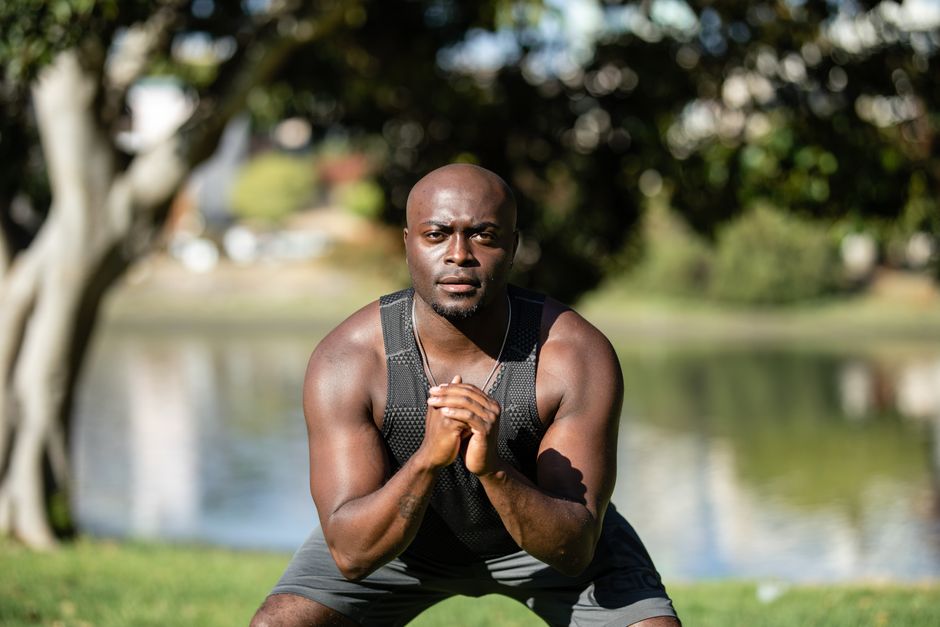
Love handles — the fat that sits above your hips and below your ribcage — are one of the most common body-fat complaints for men. Here is the direct answer: you cannot spot-reduce fat. Losing love handles requires reducing overall body fat through a sustained calorie deficit, combined with resistance training to preserve muscle and build the surrounding core and back muscles. The step-by-step process involves eating fewer calories than you burn, lifting weights consistently, doing cardio you can stick with, and being patient for 8 to 12 weeks before visible changes appear.
What Actually Causes Male Love Handles?
Love handles are simply subcutaneous fat stored around your waist. Men tend to store fat in the abdominal region more than women due to higher levels of testosterone and cortisol responses. This pattern is called android or “apple-shaped” fat distribution.
Genetics play a large role in where your body stores fat first and loses it last. For many men, the love handle area is one of the final places to slim down. This is frustrating but normal. The fat cells there are more sensitive to certain hormones that promote fat storage, making them stubborn even as other areas lean out.
Age also matters. As men get older, testosterone levels gradually decline, which can shift how the body stores fat. Muscle mass tends to decrease without regular strength training, lowering your daily calorie burn. This combination makes it easier to gain fat around the midsection and harder to lose it.
There is no way to target fat loss specifically from this area. When you lose weight, your body decides where the fat comes from. For some men, the face and arms slim first. For others, the chest. The love handles are often among the last to go.
Step 1: Create a Real Calorie Deficit
Fat loss requires burning more calories than you consume. There is no way around this. The question is how big a deficit to create and how to do it without losing muscle.
A moderate deficit of about 500 calories per day typically leads to losing about one pound per week. This is a sustainable rate that preserves muscle better than aggressive crash dieting. Losing weight faster than this often means losing lean tissue along with fat, which can leave you looking “skinny fat” rather than lean and defined.
To know your starting point, track what you eat for three to five days using a food app. Most men maintain their weight at roughly 2,500 to 3,000 calories per day, but this varies with height, weight, age, and activity level. Do not guess. Track first, then subtract 500 calories from your maintenance number.
Protein is the most important nutrient during fat loss. Aim for a substantial amount at every meal. Protein preserves muscle, keeps you full, and has a higher thermic effect than carbs or fat — meaning your body burns more calories digesting it. A practical target is about 0.7 to 1 gram of protein per pound of body weight daily.
Do not cut carbs completely. Carbohydrates fuel your workouts, and well-trained muscles hold glycogen that gives them a fuller appearance. Instead, reduce portion sizes of calorie-dense foods and keep vegetables and fruits as the foundation of most meals.
Step 2: Lift Weights — Not Just Crunches
Ab exercises do not burn love handle fat. Doing hundreds of crunches will strengthen your abdominal muscles, but it will not remove the fat covering them. The fat sits on top of the muscle, and no amount of direct ab work will burn it away.
Full-body resistance training is the most effective approach. Compound movements — squats, deadlifts, presses, and rows — recruit the most muscle mass and burn the most calories. They also build the muscles that improve your overall shape when the fat comes off.
Include exercises that target the obliques and lower back, the muscles beneath the love handle area. Side planks, Russian twists, cable woodchoppers, and back extensions strengthen these muscles. When body fat drops, stronger muscles here create a more defined waistline.
Train each muscle group two to three times per week. A simple full-body routine three days per week works well for most men. Progressive overload — gradually increasing the weight or repetitions over time — is essential. If you lift the same weight forever, your body has no reason to build muscle.



Step 3: Add Cardio That You Will Actually Do
Cardio increases your calorie burn and accelerates fat loss. The best type is the one you will do consistently. Walking, running, cycling, swimming, or using an elliptical all work.
High-intensity interval training (HIIT) has become popular for fat loss. Short bursts of intense effort followed by rest can burn calories efficiently in less time. However, HIIT is not superior to steady-state cardio for fat loss when total calories burned are equal. It is simply a time-efficient option.
For most men, a mix works best. Two to three sessions of steady cardio per week — 30 to 45 minutes at a moderate pace — plus one or two HIIT sessions is practical and effective. Walking daily is also underrated. A 30-minute walk after meals can add up to significant calorie burn over a week without adding recovery stress.
Do not overdo cardio at the expense of lifting. Excessive cardio can interfere with muscle recovery and make it harder to preserve lean mass. The weight training is what shapes your body. Cardio accelerates the fat loss that reveals the shape.
Step 4: Sleep and Stress Management Matter
Sleep and stress directly affect fat loss. This is not a minor detail — it is a physiological fact.
Poor sleep disrupts hormones that regulate appetite. Ghrelin, the hormone that signals hunger, rises when you are sleep-deprived. Leptin, the hormone that signals fullness, falls. This combination makes you hungrier and less satisfied after meals. Studies consistently show that people who sleep fewer than seven hours per night consume more calories and have a harder time losing fat.
Chronic stress raises cortisol levels. Elevated cortisol promotes fat storage, particularly in the abdominal area. This is an evolutionary response — the body stores energy near the liver for quick access during perceived threats. But modern stress is constant, and the fat stays.
Prioritize seven to nine hours of sleep per night. Manage stress through exercise, outdoor time, or whatever works for you. This is not optional for optimal fat loss — it is part of the process.
Step 5: Track Progress Beyond the Scale
The scale does not tell the full story. When you start lifting weights while losing fat, you may gain muscle and lose fat simultaneously. The scale might barely move for weeks even though your body composition is improving.
Use multiple measures. Take waist measurements at the navel and at the love handle level once per week. Progress photos in consistent lighting every two to four weeks are helpful. Notice how your clothes fit. These indicators often show progress before the scale does.
Expect a timeline of 8 to 12 weeks for visible change. This is not a quick fix. Men who lose one to two pounds per week while lifting consistently typically see meaningful differences in their waistline within three months. Faster results are possible with larger deficits, but they often come with muscle loss and rebound weight gain.
Plateaus are normal. After four to six weeks, your body adapts to a calorie deficit. If weight loss stalls for two or more weeks, reduce calories slightly or increase daily steps. Small adjustments beat drastic changes.
What Does Not Work — Common Myths
Spot reduction is the biggest myth in fat loss. Doing side bends or oblique crunches will not burn fat from your sides. Fat loss happens systemically, not locally. No exercise, cream, wrap, or device removes fat from a specific area.
Waist trainers and compression garments do not burn fat. They temporarily compress tissue and redistribute water, creating a false slimming effect that disappears when removed. They do not change fat cell size or number.
Fat-burning supplements are largely ineffective. Most have no credible evidence behind them. Some contain stimulants that slightly increase calorie burn, but the effect is too small to matter without a calorie deficit. The Food and Drug Administration does not evaluate supplements for effectiveness before they reach the market, and many make claims unsupported by research.
CoolSculpting and other fat-freezing treatments are different — these are medical procedures, not lifestyle fixes. The evidence for these is mixed. They may reduce some fat in treated areas, but results vary widely, and they are not a substitute for diet and exercise. If you are considering these, discuss realistic expectations with a healthcare provider.
Frequently Asked Questions
How long does it take to lose love handles?
Most men see visible change in 8 to 12 weeks with a consistent calorie deficit and regular strength training. The timeline depends on your starting body fat percentage and how strictly you follow your plan.
Can I lose love handles without going to the gym?
Yes, but it is harder. You can create a calorie deficit with diet alone, and bodyweight exercises like push-ups, squats, and planks build some muscle. However, progressive overload is harder without equipment, and muscle preservation is more challenging.
Do ab exercises get rid of love handles?
No. Ab exercises strengthen the muscles underneath the fat, but they do not burn fat from that specific area. Only an overall calorie deficit reduces the fat covering your abs and obliques.
Is cardio or weights better for losing love handles?
Weights are more important for preserving muscle and shaping your waistline, while cardio helps create the calorie deficit. The best approach combines both — lift two to three times per week and add cardio you can maintain consistently.
